

Wood vs Vinyl vs Chain Link Fencing Comparison
If you’re comparing fence materials for a home or business around Sherman, TX, you’re probably weighing curb appeal, privacy needs, and how much upkeep you want to handle year-round. This guide breaks down the practical differences between wood, vinyl, and chain link so you can choose the right fit for your property and goals.
You’re standing in your backyard in Sherman, TX, looking at your current fence line. Maybe it’s warping in spots, showing worn areas, or it just doesn’t give you the privacy or boundary you want. Or perhaps you’re planning a new patio or driveway access and realizing the fence material will affect the whole look and feel of the property.
The hard part is that “best” depends on your priorities. Some materials look great right away but require more maintenance. Others are lower-maintenance, but offer different levels of privacy and security. This comparison helps you understand the tradeoffs between wood, vinyl, and chain link, and how those choices show up in real, day-to-day ownership.
- Quick answer
- What to check first
- Main things customers should understand
- Why this matters in Sherman, TX
- Common mistakes to avoid
- Customer checklist
- Frequently asked questions

Quick Answer
If you want a classic look and can plan for maintenance, wood fencing is a strong choice. If you want a lower-maintenance option with a cleaner, uniform appearance, vinyl fencing often fits best. If your priority is budget-friendly fencing, visibility, and straightforward security, chain link is a practical solution. For most homeowners around Sherman, TX, the deciding factors are privacy level, how much upkeep you’re comfortable with, and whether your fence line needs to support driveway gates or access control features. A professional fence installation also matters because material performance depends heavily on proper posts, spacing, and alignment.
What to Check First
Before comparing fence styles, take a few minutes to define what you need the fence to do. Start with the fence’s primary purpose: privacy for backyard comfort, a boundary for pets or kids, visual security for a commercial property, or a mix of those. Then measure the run length and note any obstacles like gates, slopes, or existing fence remnants. Finally, think about how the fence line connects to access points. If you’re planning driveway gate installation, you’ll want a material that matches the gate hardware and the long-term look of your entry.
Wood: Best for traditional curb appeal
Great for privacy and a natural look. It typically benefits from periodic fence staining services to keep it looking sharp.
Vinyl: Best for low-fuss upkeep
Designed for a consistent appearance with less routine maintenance than wood. It’s often chosen when homeowners want a tidy, uniform fence line.
Chain link: Best for visibility and function
Common for security and property boundaries. It can also be adapted for privacy with add-ons depending on your goals.
Main Things Customers Should Understand
Material differences show up in three places: performance over time, how the fence line looks, and how much attention it needs after installation. Here’s a homeowner-friendly breakdown of wood, vinyl, and chain link so you can match the material to your property needs.
Professional observation: The “best” material is often the one that matches your maintenance habits. If you know you want to stain or refresh surfaces occasionally, wood can be a great fit. If you want to do less routine upkeep, vinyl or chain link may feel easier to live with.
Wood fencing: appearance, privacy, and upkeep
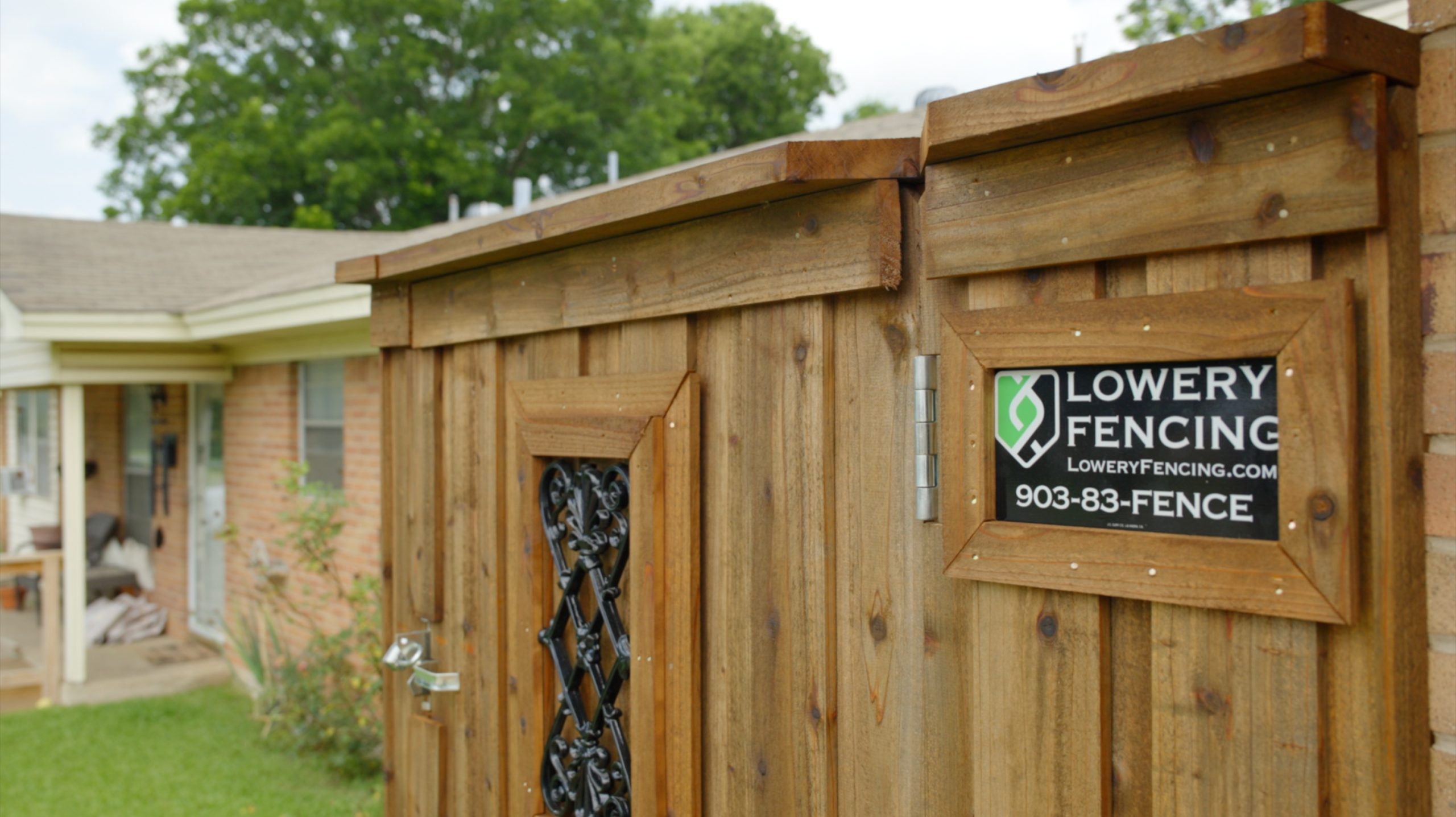
Wood fencing is a classic choice for privacy and backyard definition. It creates a warm, natural look that blends well with many Sherman-area home styles. The tradeoff is that wood is a living material. Over time, it can show weathering, especially along fence sections that receive heavy sun or direct exposure. Many homeowners choose wood fencing because they’re willing to maintain it, including fence staining services when the surface needs refreshing.
If your goal is wooden privacy fences, pay attention to how the fence sections are built and maintained. Even the best-looking wood won’t perform the way you expect if the posts and alignment are off. That’s why selecting experienced fence installation matters as much as picking the material.
Vinyl fencing: consistent look and lower routine maintenance
Vinyl fence installation is often chosen when homeowners want a uniform appearance with less ongoing work. Vinyl tends to keep its look more consistently than wood, which can be appealing if you’d rather spend your time on landscaping or outdoor living than maintaining fence surfaces.
When comparing vinyl to wood, think about the look you want over the next few years. If you’re aiming for a clean, modern fence line that stays visually consistent, vinyl can be a practical fit. If your top priority is maximum traditional warmth and customization, wood may still win.
Chain link fencing: security, visibility, and practical value
Chain link fencing is widely used for clear boundaries and security-focused applications. It’s a functional option for homeowners who want visibility and straightforward protection, and it’s also common for commercial fence installation where property access needs to be managed. For many properties, chain link offers a practical balance of cost and durability.
If you’re considering chain link fence contractors for installation or repairs, focus on the details that affect performance: properly set posts, correct tension, and gate alignment if you’re adding access points. Chain link fence installation is only as good as its layout and hardware setup.
How gates and access points influence the material decision
Fencing rarely exists alone. In many Sherman, TX projects, the fence ties into driveway gates, walk gates, or other access points. If you’re planning automatic gate installation or driveway gate installation, the material choice should work with the gate hardware and the surrounding fence line so everything stays aligned and visually consistent.
Want a material match for your access points? Explore Lowery Fence & Patio gates to see how gate choices and fence materials work together.
Why This Matters in Sherman, TX
In Sherman, TX, homeowners deal with outdoor exposure year-round, and fence lines tend to get attention quickly when they look worn. That’s why your material choice should reflect how you want your property to look through changing seasons. Wood can be a great fit if you plan for periodic fence maintenance, including stain refreshes. Vinyl can be a strong option when you want a more consistent look with less routine work. Chain link can be ideal when visibility, boundary definition, and practical security are the priorities.
Another local factor is how your fence line connects to how you use your space. Many Sherman-area yards include patios, outdoor entertaining areas, and backyard walkways. If you’re planning outdoor living improvements, it helps to think about the fence as part of the overall layout, not just a perimeter. When you plan together, your fence line, gates, and outdoor features tend to look more intentional.
If you’re also building or upgrading outdoor living, you may want to review custom patio covers so your outdoor spaces feel coordinated from day one.
Wood vs Vinyl vs Chain Link: Decision Table
Use this quick decision table to compare the three common options by the factors homeowners typically care about most.
| Factor | Wood Fencing | Vinyl Fence Installation | Chain Link Fencing |
|---|---|---|---|
| Privacy level | Often strong for privacy-focused designs like wooden privacy fences | Good for a consistent, more uniform privacy look | More visibility by default, with add-ons depending on your goals |
| Upkeep | Typically benefits from periodic fence staining services | Generally lower routine maintenance compared to wood | Often straightforward, especially when installed with correct tension and alignment |
| Appearance over time | Natural look that can weather without maintenance | Usually maintains a consistent look | Functional, utilitarian appearance; visibility remains |
| Common use cases | Backyards, traditional curb appeal, privacy needs | Homeowners who want a tidy, uniform fence line | Boundaries, security-focused properties, commercial fence installation |
| Best next step | Plan for maintenance and confirm your fence staining timeline | Match style and layout to your property’s entry points | Confirm installation details for long-term performance, including gates if needed |
Need help picking the right fence material for your property?
Lowery Fence & Patio can help you compare options for residential fencing and the access points that go with it. If you’re in Sherman, TX or nearby, reach out and we’ll guide you to a practical direction for your fence line.
Explore Residential FencingCommon Mistakes to Avoid
Even with the right material picked, a few common choices can cause headaches later. Avoid these pitfalls so you get a fence line that looks right and stays functional.
- Choosing based on appearance only. A fence can look great at install, but performance depends on how the fence is built and how you maintain it.
- Ignoring gate and access planning. If you’re adding or upgrading driveway access, align your material choice with gate hardware and layout.
- Skipping maintenance planning for wood. Wood often looks best when you keep up with fence staining services before weathering becomes obvious.
- Underestimating installation details. With chain link, correct post setting and tension matter for long-term results.
- Forgetting to match your fence to the rest of the property. If your patio, outdoor living, or landscaping is already in place, your fence should complement it.
Customer Checklist
Use this checklist during your decision process. It’s designed to help you compare wood, vinyl, and chain link in a way that’s realistic for day-to-day ownership.
- Purpose: Did you confirm whether you need privacy, boundary definition, or security visibility?
- Maintenance comfort: Are you willing to plan for fence staining services if you choose wood?
- Entry points: Are you planning gates for driveway access or walkways?
- Material fit: Does the material match the look you want around your patio and outdoor living areas?
- Layout reality: Did you note slopes, corners, and any existing fence remnants that affect installation?
- Next service step: If you’re leaning toward repairs or cleaning, did you consider fence repair services or fence cleaning services as part of the plan?
Representative Scenario (Sherman, TX)
A homeowner in Sherman, TX wanted a backyard boundary that looked good near a patio area and also helped keep pets contained. They were torn between wood and vinyl. After reviewing their priorities, they chose a material that matched their maintenance comfort and the visual style they wanted near their outdoor living space. The final result worked because the fence line and gate planning were addressed together, so the entry points looked consistent from the start.
Frequently asked questions
Below are common questions homeowners and property managers ask when comparing wood, vinyl, and chain link fencing.
Which fence material is best for privacy in a backyard?
Privacy needs usually point homeowners toward wood fencing or vinyl fencing, depending on the look you want. Wood is a popular choice for traditional privacy-focused designs, including wooden privacy fences. Vinyl can also provide a more uniform appearance for homeowners who want less routine maintenance. If your yard requires visibility for sightlines or security, chain link can work better, sometimes with add-ons depending on your goals.
How do wood and vinyl compare in maintenance?
Wood fencing typically benefits from periodic fence staining services to keep it looking its best as weather exposure takes its toll over time. Vinyl fencing generally requires less routine upkeep compared to wood, which is appealing for homeowners who want a consistent look without frequent refresh work. Chain link can also be a straightforward option, especially when installed correctly and inspected as needed.
Is chain link a good choice for a residential property?
Chain link fencing is often chosen when homeowners want visibility, clear boundaries, and practical security. It can be especially useful for properties where you want to avoid a completely closed-off look while still defining the perimeter. If you’re considering chain link, it’s worth evaluating how it will work with any gates and access points so the overall layout feels intentional.
What should I consider if I’m adding a driveway gate?
Driveway gate installation changes the planning conversation because gates require hardware alignment and a layout that matches the fence line. The material you choose should pair well with the gate design and the surrounding fence sections. If you’re also thinking about automated entry, you may want to review access control-related considerations and gate planning early in the process so the installed system looks and operates as intended.
Can Lowery Fence & Patio help me compare options for my specific property?
Yes. A fence material comparison is most helpful when it’s tied to your goals, your fence line layout, and your access points. Lowery Fence & Patio supports fence installation decisions for residential and commercial needs. If you want a focused conversation, you can start by reviewing specific fence types, such as wood fence options or chain link fencing.
Ready to move forward with a fence you’ll be happy with?
Whether you’re leaning wood, vinyl, or chain link, the right installation details make a big difference. Contact Lowery Fence & Patio for guidance on material selection, fence installation, and how your fence line connects to gates and outdoor living.
Call Lowery Fence & Patio
About Lowery Fence & Patio
Lowery Fence & Patio provides fencing and outdoor living solutions for customers in Sherman, TX and surrounding areas including Collin County, Grayson County, Cooke County, and Fannin County. Their focus is on practical fence installation and material guidance for residential and commercial properties, including options like wood fencing, chain link fencing, and gates designed to match your property needs.