
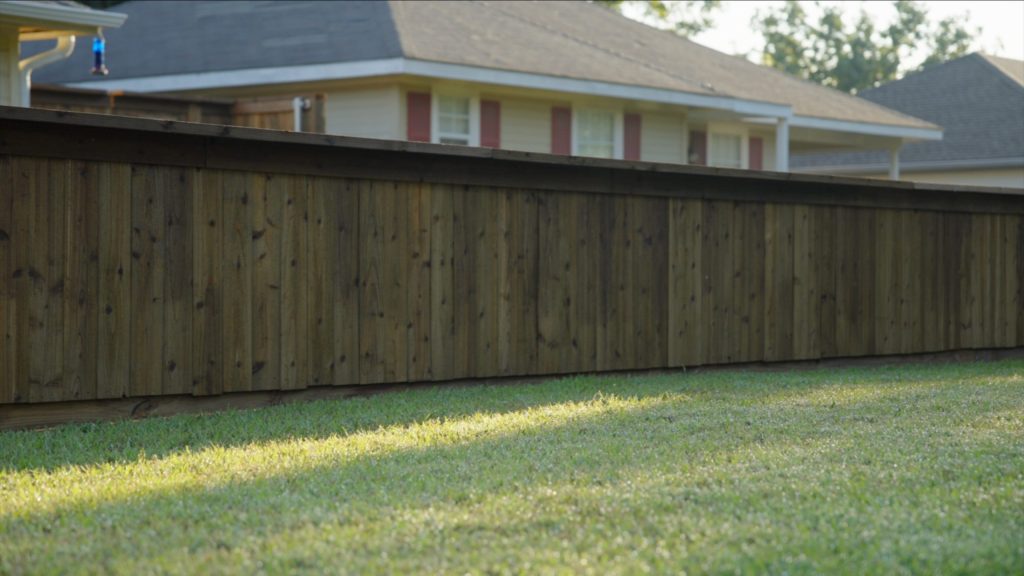
Emergency Fence Installation Near Me After Storm Damage
After a storm hits Sherman, TX, a damaged fence can turn into an immediate security and safety problem. Lowery Fence & Patio helps homeowners and businesses get fencing and gates back in working order with practical, storm-aware repair and replacement.
The storm is over, but the fence is still down. Maybe a section of chain link is hanging, a wood privacy panel looks twisted, or a gate won’t latch because the posts shifted. In Sherman, TX, that kind of damage can happen fast, and it is rarely just cosmetic.
This guide will help you think through what to check right away, what decisions matter most for emergency fence installation, and how to choose the right fencing approach for your property type. You will also find a quick checklist and a few common mistakes that can cost time after storm damage.
- Quick answer
- What to check first
- Main things customers should understand
- Why this matters in Sherman, TX
- Common mistakes to avoid
- Customer checklist
- Frequently asked questions
Quick Answer
If your fence or gate is damaged after a storm in Sherman, TX, treat it like a safety and access problem first, not a cosmetic issue. Start by securing any openings and checking whether posts are loose or shifted. Then decide whether you need temporary fencing panels to restore basic security while permanent repairs are scheduled. For the lasting fix, focus on post stability, proper alignment, and matching the right fence material to your existing system. Lowery Fence & Patio can help you assess storm damage and plan emergency fence installation and repair options.
What to Check First
Before you call for emergency fence installation, take a few minutes to look for the root cause. Wind often pulls posts out of alignment, and torn sections can hide deeper problems like loosened footings or hardware that is no longer straight. If you have a gate, confirm whether it is sagging, dragging, or failing to latch.
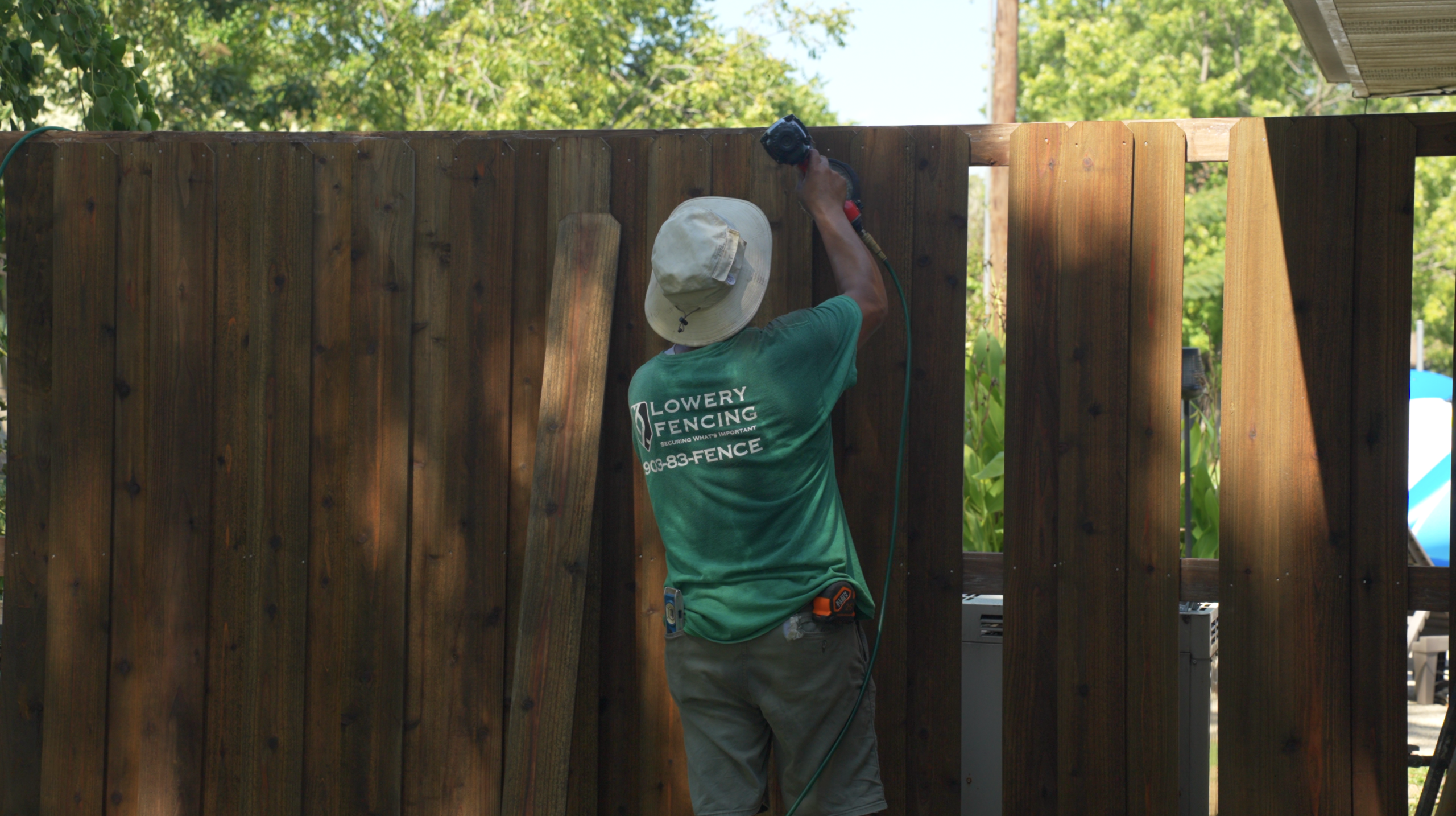
Professional observation: The most common “repair” that fails is fixing only the visible panel while the posts remain out of position. A fence can look straight for a day, then loosen again once loads and weather cycles repeat.
Main Things Customers Should Understand
Storm damage usually affects multiple parts of the system. It is not just the fence material, it is also the posts, braces, gate hardware, and sometimes the access control components. Your best next step depends on what broke and how much movement you see.
Chain link and gate issues
Torn fabric, bent frames, and misaligned latches are common after high winds. If you need help with chain link fence installation or chain link fence repair, start by checking tension and whether the gate swings freely without rubbing.
Wood fence and privacy panels
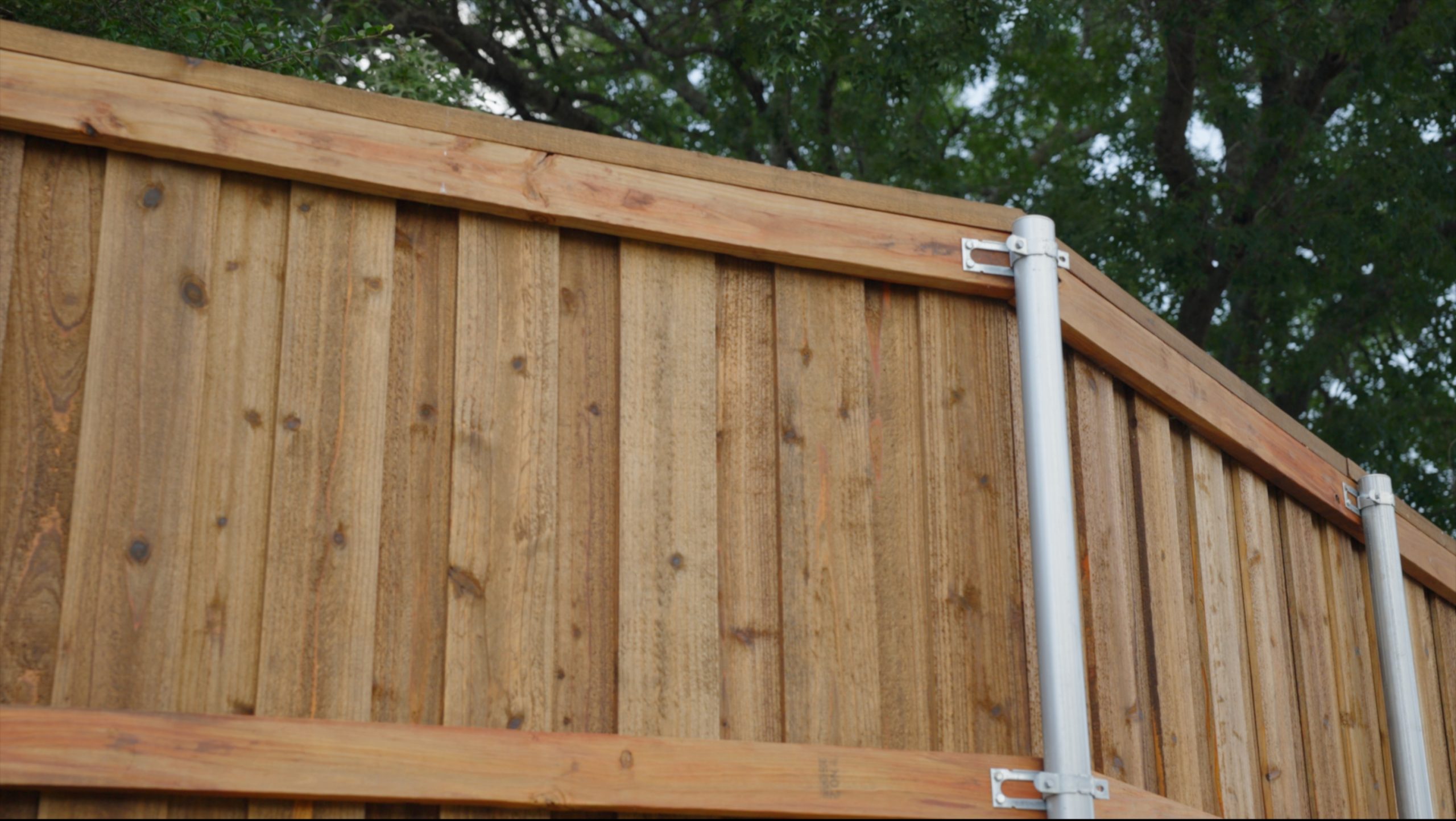
Wood fencing can twist when posts shift. For wooden privacy fences, confirm that posts are still plumb and that rails and pickets have not been overstressed. If staining is part of your plan, it should follow correct installation and surface prep.
Access control and automatic gates
After storms, electric gate components may be misaligned even if they look intact. If you have an automatic gate installation or related security gate access control needs, a safety-focused inspection of alignment and hardware is usually the right first move.
| Storm damage pattern | What it often indicates | What to plan for |
|---|---|---|
| Section sagging or fence line looks “pulled” | Posts may be out of alignment or loose | Post correction before panel replacement |
| Gate won’t latch or drags across the ground | Gate frame is misaligned or hardware is stressed | Gate realignment and hardware adjustment |
| Only fabric or pickets are torn, frames still look straight | Localized impact, less system movement | Repair or selective replacement of damaged runs |
| Multiple sections displaced across the property | Widespread wind load moved the structure | Comprehensive assessment and staged emergency repairs |
Why This Matters in Sherman, TX
In Sherman, TX, storms can leave properties with open access points, especially where fencing meets driveways, back gates, or side yards. Even if the fence still “stands,” misalignment can create gaps that let pets escape, restrict vehicle access, or reduce perimeter security for businesses. Planning around those access points is what makes emergency fence installation practical, not just fast.
Local tip: If your fence line borders a driveway or shared access area, prioritize restoring gate function and latch reliability first. A fence that blocks the yard but leaves a driveway gate unusable can still disrupt daily routines.
Common Mistakes to Avoid
After a storm, it is tempting to patch what you can see and move on. The problem is that fencing systems are load-bearing structures, and quick fixes can fail when the posts or gate hardware are still shifted. Here are a few mistakes that commonly prolong the problem in Sherman, TX.
- Replacing panels while leaving crooked posts. The fence will likely loosen again under normal wind and daily use.
- Ignoring gate alignment and latch issues. A gate that does not close correctly creates security gaps even if the fence looks repaired.
- Skipping temporary security when delays happen. If permanent installation is scheduled later, temporary fencing panels can help close off openings.
- Forgetting material compatibility. Mixing approaches without matching the existing system can complicate future fence repair services.
- Delaying surface work until after installation is stable. Fence stain and sealing should follow correct setup, not rush ahead of structural fixes.
Customer Checklist
Use this checklist when you are preparing for an emergency site visit or planning what to discuss with your fence contractors. It helps you get straight to the real problem and keeps your repair plan focused on safety and functionality.
- Mark the damaged sections and gates so you can explain exactly where the fence installation needs attention.
- Check for loose or leaning posts and note which direction the fence moved.
- Test gate swing and latch and describe whether it drags, sags, or refuses to close.
- Secure openings immediately and decide whether temporary security fencing is needed while repairs are scheduled.
- Confirm what type of fence you have (wood fencing, chain link fencing, wrought iron fencing, or other) so the plan matches the existing system.
- Ask about next-step scheduling for repairs and whether your situation calls for fence installation vs. fence repair services.
Representative Scenario: After the Wind
A Sherman homeowner calls after a storm because the chain link fence along the side yard is sagging and the driveway gate will not latch. The fence line is not only torn, it looks “pulled” toward the street, and the gate frame sits lower than it used to. In this situation, the right first move is to address post stability and gate alignment before reconnecting fabric or replacing sections. That approach prevents a repeat failure where the repaired area loosens again the next time the wind loads the fence.
If you are dealing with a larger perimeter or multiple access points, you may also want to ask about Temporary Fence Panels to restore basic security while permanent fence installation is scheduled.
Need emergency fence installation help in Sherman?
Call Lowery Fence & Patio to discuss storm damage and the fastest path to restoring fence function and access.
Call 903-833-3623Frequently asked questions
Here are common questions homeowners and property managers ask after storm damage. The answers focus on practical next steps for emergency fence installation and repair.
Should I repair the fence immediately or wait for a professional assessment?
What’s the difference between emergency installation and regular fence installation?
Can you repair chain link fence damage or do we need full replacement?
Do storm-damaged wood fences always need new posts?
What if my fence connects to driveway or gate access control?
Get your storm-damaged fence back to working order
Lowery Fence & Patio supports residential and commercial fence installation and repair around Sherman, TX and nearby areas including Collin County, Grayson County, Cooke County, and Fannin County.
Contact Lowery Fence & Patio
About Lowery Fence & Patio
Lowery Fence & Patio provides fencing and outdoor living solutions in Sherman, TX, including residential fencing, commercial fencing, gates, and patio-related services. Their focus is on restoring fence function after real-world damage so homeowners and businesses can regain safe access and perimeter control.