
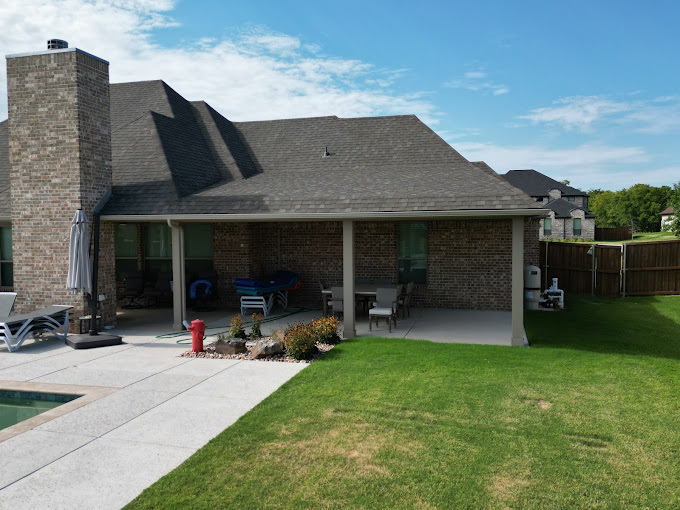
How Often Should a Patio Be Repaired?
If your patio in Sherman, TX is starting to feel “off” after storms or seasonal shifts, you are not alone. Cracks, loose pavers, wobbling posts, and drainage issues can build up over time, and the timing of repairs matters.
Last summer, a homeowner in Sherman noticed the patio looked fine until they hosted a small get-together. After the rain, one section stayed damp longer than the rest, and a few pavers shifted when people walked across them. It was not a complete failure yet, but it was a clear warning sign.
In Grayson County and nearby areas, freeze-thaw is not usually the main driver. Instead, expansion and contraction from heat, heavy downpours, and vegetation nearby often create the conditions where small patio problems become bigger ones.
- Quick answer
- What to check first
- Main things customers should understand
- Why this matters in Sherman, TX
- Common mistakes to avoid
- Customer checklist
- Frequently asked questions

Quick Answer
Most patios do not need major repair on a strict calendar, but they do benefit from regular inspections. As a practical rule, check your patio at least twice a year, then schedule repairs as soon as you notice movement, pooling water, loose edges, or structural wobble. For concrete or stone patios, small cracks and drainage changes can worsen if water keeps getting trapped underneath. If you have a patio cover, posts, or nearby fencing systems, inspect those components too, since stability issues often show up first around supports.
What to Check First
If you are trying to decide whether a repair is “needed now,” start with the parts that affect safety and water movement. Look for trip hazards at edges, any paver or tile shifting, and areas that stay wet longer after rain. Next, check for gaps that let water work its way under the surface, then inspect the area around posts, beams, and any attached features like a cover or railing.

Professional observation: The fastest way to prevent repeat repairs is to address drainage and loose edges early, before water undermines the base and magnifies cracking or shifting.
Main Things Customers Should Understand
Patio repair frequency depends on what your patio is made of, how it is built, and how it gets used. A stamped concrete patio with surface sealant behaves differently than a paver patio with individual units and joints. Below is a decision-friendly way to think about timing, without guessing.
| Patio component | Common early signs | How often to inspect | When to repair |
|---|---|---|---|
| Surface (concrete, stone, pavers) | Hairline cracks, lifting pavers, uneven spots | Twice per year | When you feel movement underfoot or cracks widen after rain |
| Edges and joints | Gaps, missing joint material, frayed edges | Twice per year | As soon as gaps allow water to penetrate |
| Drainage path | Puddling, water backing up near the house, soft ground | After major storms | When water remains for extended periods or you see soil erosion |
| Supports and attachments (posts, beams, covers) | Wobble, leaning, rust at hardware, loose anchors | Seasonally, plus after wind events | When movement affects stability or hardware looks compromised |
| Surrounding elements (fence line, gates, landscaping) | Nearby gates rubbing, vegetation touching structure, water redirected | Seasonally | When nearby changes correlate with patio settling or drainage issues |
Why This Matters in Sherman, TX
In Sherman, TX, patio issues often show up after heavy rain and then get worse during hot stretches. When the surface stays wet, it can soften the materials underneath, and that is when pavers shift and concrete cracks can expand. If your patio sits near a fence line, gate approach, or areas where water naturally runs, those nearby systems can influence how water behaves across the patio.
Lowery Fence & Patio helps homeowners and property managers think about the whole outdoor layout, not just the top layer. If your patio cover or post locations are part of your outdoor living setup, it is especially worth inspecting supports at the same time you evaluate the patio surface. For customers who also need fencing work integrated with outdoor living, you can explore options like custom patio covers or review concrete services for patio and hardscape needs.
Local tip: After a strong storm, take five minutes to check which section drains last. That single observation often tells you where repairs will prevent the next round of shifting.
Common Mistakes to Avoid
When patio repairs are delayed or handled the wrong way, the problem tends to spread. Here are the mistakes we commonly see that lead to unnecessary repeat work.
Focusing only on the visible crack
Cracks are often a symptom. If water is getting underneath, patching the surface without correcting drainage or base issues can bring the same problem back quickly.
Ignoring loose edges and rocking pavers
When pavers move, the joint and base materials are usually shifting too. Waiting until “more units come loose” usually increases the repair area.
Repairing without checking supports
If your patio has a cover, posts, or attached features, stability issues can cause recurring strain. Hardware and anchors should be inspected along with the surface.
Customer Checklist
Use this short checklist to decide whether you should plan a repair visit in Sherman, TX. If you answer “yes” to any item, it is a good time to address the issue before it expands.
- Do you see any section that stays wet longer than the rest after rain?
- Is there any paver, tile, or concrete section that feels loose or rocks when stepped on?
- Do you notice gaps at edges or joints where water can enter?
- Are there trip hazards at transitions near the house, walkway, or steps?
- If you have a patio cover, do any posts or hardware look loose or misaligned?
- Has nearby fencing, a gate approach, or landscaping change affected water flow toward the patio?
For homeowners who are also managing gate access, it can help to coordinate repairs so one area does not undermine another. If you have an automatic or driveway gate system, you may want to review gate options and support as part of your overall outdoor plan.
Representative scenario
A customer in Sherman, TX called after noticing a small “wave” in one corner of their patio. It started as a tight crack line, then after a heavy rain the area stayed damp and a few pavers shifted when guests walked across. Instead of only leveling the surface, the repair plan focused on why water was pooling and how the edge joint was allowing water underneath. That approach reduced the chance of the same corner failing again the next time storms hit.
Frequently asked questions
How often should I inspect my patio in Sherman, TX?
A practical approach is to inspect at least twice per year, then do a quick check after major storms. Focus on areas that drain slowly, edges and joints, and any spots that feel uneven underfoot. If you have a patio cover or attached supports, inspect those during seasonal transitions and after wind events. Early detection usually prevents small surface issues from becoming base or structural repairs.
What are the first signs that a patio needs repair?
The earliest signs are usually safety and water-related. Look for puddling, soft or eroded areas near edges, loose pavers, rocking tiles, or widening cracks after rain. If the patio surface feels uneven or you notice gaps where water can enter, treat it as a repair priority rather than routine maintenance.
Should I repair a crack right away?
Often, yes, but the right move is to pair surface repair with a check for the cause. A crack can be a symptom of movement, drainage changes, or base settling. If the crack is stable and the patio drains well, you may be able to monitor it. If cracks widen, or if that section stays wet longer after rain, it is a stronger signal that the underlying issue needs attention.
Does drainage affect how frequently patio repairs are needed?
Drainage is one of the biggest drivers of repeat patio problems. When water pools or travels under the surface, it can soften materials, shift pavers, and worsen cracking. That is why the “slow-draining corner” is often the key clue. Improving drainage and sealing or correcting entry points at edges can reduce the need for frequent spot repairs.
Can fencing or gates contribute to patio problems?
Yes, indirectly. If fencing or gate approaches change how water runs across your property, that can affect pooling and erosion near the patio. Landscaping changes around posts, gates, or fence lines can also redirect runoff. If you have a patio near a driveway gate area, it is smart to inspect both systems when you notice patio settling or drainage changes.
Need help figuring out what repair is actually needed?
If you are seeing shifting, pooling water, or movement near patio supports in Sherman, TX, Lowery Fence & Patio can help you plan the next steps. We focus on practical fixes that address the cause, not just the surface.
Contact Lowery Fence & PatioFinal CTA
If your patio is starting to show warning signs, the best time to repair is before the base shifts further. Use the checklist above, pay close attention to drainage after storms, and inspect supports if you have a patio cover. When you are ready, reach out so you can get a plan tailored to your patio setup in Sherman, TX and nearby areas including Collin County, Grayson County, Cooke County, and Fannin County.
Schedule a patio repair assessment
Call Lowery Fence & Patio at 903-833-3623 or visit our site to discuss your outdoor living needs.
Call 903-833-3623
About Lowery Fence & Patio
Lowery Fence & Patio provides fencing and outdoor living solutions for homeowners and businesses across Sherman, TX and nearby areas. From residential and commercial fencing to outdoor living features, our goal is to help you keep your property functional, stable, and enjoyable season after season.