
How Often Should Fences Be Sealed and Maintained?
If your fence in Sherman, TX is looking a little tired or a gate is starting to stick, the fix is usually simpler than replacing the whole run. This guide helps you set a realistic maintenance rhythm for wood, metal, and chain link so your fence stays cleaner, stronger, and easier to operate.
One common moment homeowners notice is that their wood fence stops “shedding” water the way it used to. After a few seasons, you might see uneven fading, rough spots on boards, or more dirt clinging near the bottom rails.
In Sherman, TX, fence maintenance also changes with the seasons. Humidity, heavy rains, and hot sun can all affect how coatings hold up, and gates can start acting differently when weather swings.
Below, you will find a practical schedule you can follow, what to check first, and what to do before small issues become fence repair problems. You will also see when sealing or staining makes sense versus when cleaning and hardware adjustments are the priority.
- Quick answer
- What to check first
- Main things customers should understand
- Why this matters in Sherman, TX
- Common mistakes to avoid
- Customer checklist
- Frequently asked questions
Quick Answer
Most fences benefit from a simple check every season and a deeper clean or coating review once per year. Wood fences typically need staining or sealing when water stops beading evenly, when color looks washed out, or when you see early roughness on boards. Chain link and metal fencing usually require periodic cleaning and hardware attention, not frequent sealing. A practical next step is to inspect your fence for loose fasteners, rust spots, and coating wear, then plan maintenance around dry weather in Sherman, TX to help finishes cure properly.
What to Check First
Before you pick a product or schedule a weekend project, do a fast “condition audit” along the fence line. Start at the bottom rails and fence posts, since those areas see the most splash, moisture, and contact with lawn equipment.
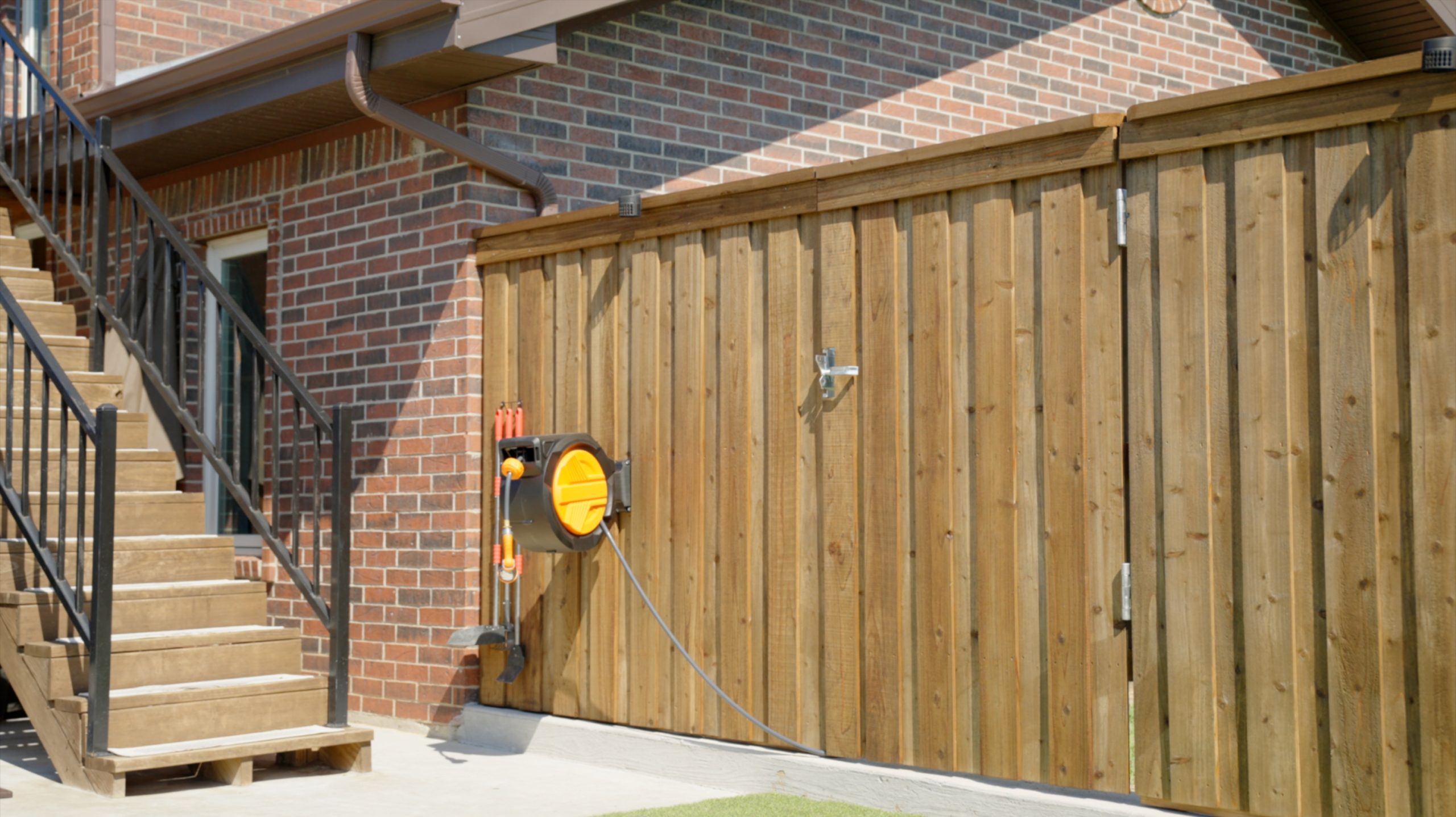
- Look for coating wear on wood: fading, peeling, or rough, dry board surfaces.
- Check for loose boards or fasteners, especially where boards meet rails.
- Inspect gates and hinges for rubbing, sagging, or inconsistent latch action.
- For chain link or metal, find early rust or dull spots and note where water pools.
- Clear debris buildup so airflow and drainage are not blocked.
If you already know your fence is primarily wood, you can narrow the plan quickly. The goal is to keep water management consistent, protect exposed surfaces, and maintain the hardware so your fence stays stable between weather swings. If you are unsure which material you have or whether your coating needs attention, a professional inspection can save time by focusing on what actually needs work.
Wood fence staining and finishing
When boards look weathered or water no longer beads, staining services can restore a protective layer. Explore fence staining for guidance.
Chain link fence care
For chain link, maintenance usually focuses on cleaning and repair areas where coatings or tension have changed. See chain link fencing for material-specific considerations.
Gate and access points
Even the best fence can look off if gates are out of alignment. If access is part of your setup, review gate solutions for upkeep priorities.
Main Things Customers Should Understand
From what we see during fence maintenance calls around Sherman, TX, the “right frequency” is less about an exact calendar date and more about how your specific fence is aging. UV exposure, rainfall patterns, sprinkler overspray, and how close the fence sits to landscaping all change how quickly coatings wear.
Professional observation: The fences that hold up best are usually the ones that get cleaned and inspected before water damage becomes visible, especially around posts, rail joints, and gate hardware.
Wood fences: sealing and staining rhythm
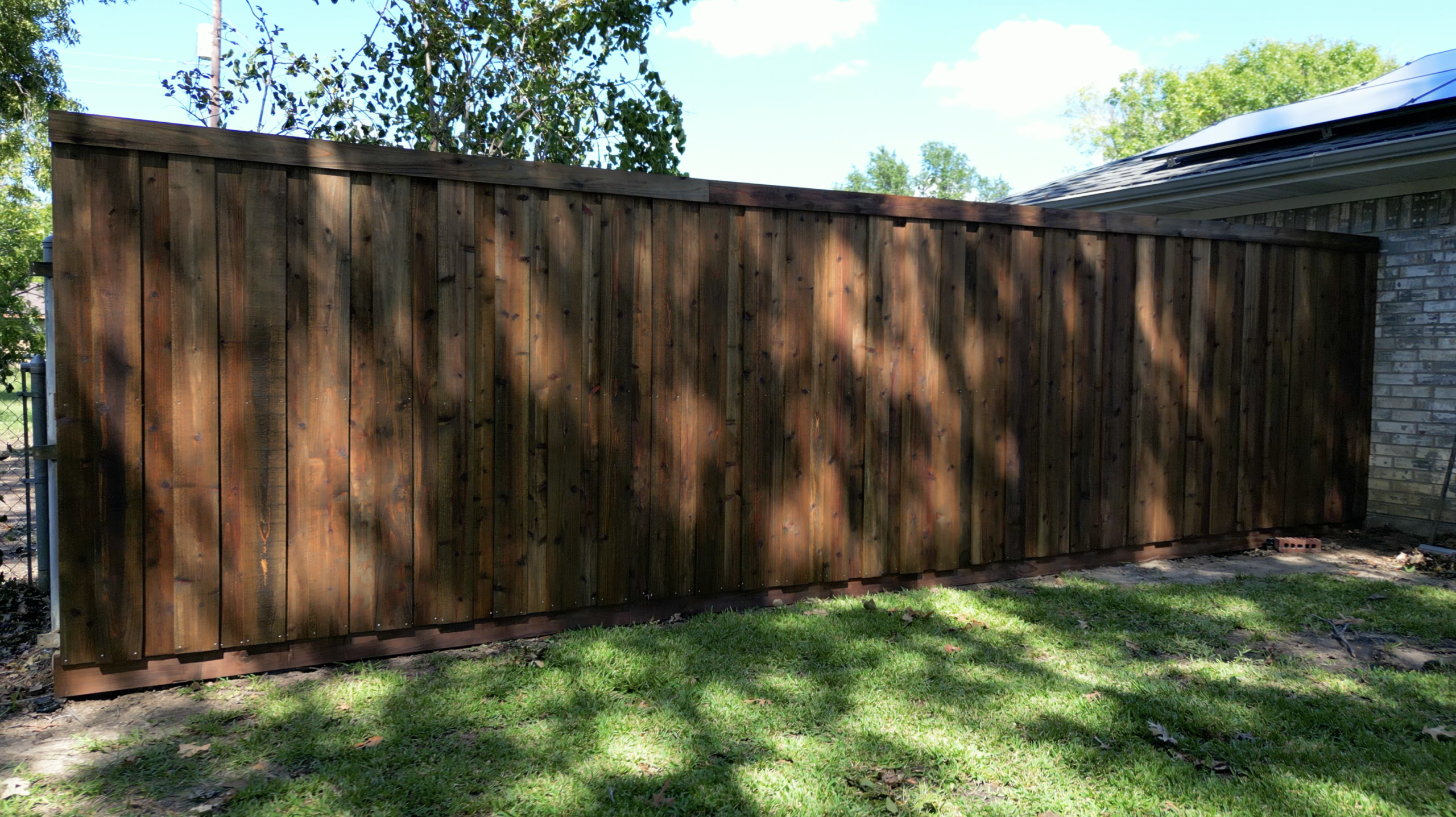
Wood needs periodic protection because it absorbs moisture and expands and contracts with temperature changes. A typical approach is to plan for a maintenance review about once each year, then “act” when the surface shows signs of wear. Common triggers include washed-out color, water soaking in quickly, or visible roughness where boards are most exposed.
Metal fences: keep it clean and address spots early
For wrought iron and other metal fencing, the main issue is usually corrosion starting at small points. Rather than treating metal like a surface that needs frequent sealing, focus on cleaning and spot-fixing early. If you are dealing with a wrought iron setup, you can also reference wrought iron fencing for material expectations and care priorities.
Chain link: repair and tension checks matter
Chain link often lasts a long time because it is less dependent on coatings than wood. Maintenance is usually about keeping it clean and ensuring sections stay aligned. If you notice loose fabric, sagging, or gate latch issues, that is a good time to plan chain link fence repair before damage spreads across more panels.
| Fence type | How often to inspect | When to plan sealing or staining | What maintenance usually includes |
|---|---|---|---|
| Wood fencing | Seasonally | When you see fading, water no longer beads, or surface wear | Cleaning, stain/seal touch-ups, and hardware checks |
| Chain link fencing | Seasonally | Typically not a “sealing schedule” type of need | Cleaning, tension/alignment checks, and localized repairs |
| Wrought iron fencing | Seasonally | When finish wear or corrosion spots appear | Cleaning and addressing early rust or coating breakdown |
Why This Matters in Sherman, TX
In Sherman, TX, fences often deal with rapid weather shifts. Hot sun can accelerate fading on wood, while rain and humidity can highlight areas where water lingers around posts and rails. That is why a yearly coating review paired with quick seasonal checks usually works better than waiting for a “major problem” to show up.
Local tip: If sprinklers hit the fence line or if the ground slopes toward fence posts, plan maintenance a bit more often. Those setups keep wood and metal surfaces wetter for longer, which can shorten how long a finish stays effective.
If you are managing residential property fencing, you may also want to coordinate maintenance with gate operation. When hinges and latch points are not moving smoothly, homeowners often force the gate closed, which can loosen hardware over time. Keeping the gate aligned is part of fence maintenance, not just an access issue.
Common Mistakes to Avoid
Many fence issues start with a small decision that seems harmless at the time. The good news is you can avoid most of them with a simple plan and a careful inspection.
Waiting until wood is visibly deteriorating
When boards are already rough and water is soaking in, repairs take longer and coatings do not bond as consistently. Earlier maintenance keeps the surface in a better condition.
Skipping cleaning before staining or sealing
Dirt, mildew, and residue can interfere with how finishes adhere. If you are planning a refresh, cleaning is usually the foundation step.
Ignoring gate hardware while treating the fence
Gates can loosen latches and stress hinges. If a gate is dragging, fix alignment and hardware along with the fence surfaces so you do not undo your work.
Need help setting a maintenance plan for your fence?
Lowery Fence & Patio can help you decide what your fence actually needs, whether it is wood fence staining, cleaning priorities, or repair planning for gates and sections in Sherman, TX.
Contact Lowery Fence & PatioCustomer Checklist
Use this quick checklist to plan your next maintenance session without guessing. It is designed for homeowners and property managers who want a repeatable routine.
- Walk the fence line and note problem spots with loose boards, rust points, or sagging sections.
- Check drainage and water splash areas near posts and rail joints.
- Test gate movement: open, close, and latch without forcing it.
- Clean first before any staining or sealing refresh on wood surfaces.
- Schedule the work around dry weather so finishes have proper time to cure.
- After maintenance, re-check fasteners and alignment once the fence is back in regular use.
Representative Scenario
A homeowner in Sherman, TX notices their wood fence looks lighter in the afternoon sun and water no longer beads on the boards after rain. The latch also feels slightly stiff on one gate. Instead of restaining the entire run immediately, they start with cleaning and inspecting the worst-exposed sections, then address the gate hardware so the fence stays aligned. That approach reduces wasted material and focuses effort where moisture and stress are doing the most damage.
Frequently asked questions
If you are trying to decide between cleaning, staining, or repair, these questions cover the most common homeowner concerns.
How often should a wood fence be sealed or stained?
Most wood fences benefit from an annual maintenance review and seasonal quick checks. The exact timing depends on how the fence is aging in your yard, especially in areas that stay wetter from rain splash or sprinklers. If you notice fading, water soaking in quickly, or roughness on boards, that is a strong sign it is time to refresh protection.
Do chain link fences need to be sealed?
Chain link maintenance is usually less about sealing and more about cleaning and keeping the system tight and aligned. Over time, sections can sag or loosen near gates and corners. A good routine is to inspect seasonally, then plan localized repairs if you see misalignment, damaged fabric, or latch issues.
What is the first sign I should address a fence coating?
For wood, a common early sign is that water no longer beads evenly after rain. For metal, watch for small dull spots or early rust points, especially where water pools around posts or where finishes have rubbed. When you catch these issues early, maintenance is usually simpler and more consistent.
Can I maintain my fence without removing everything?
Often, yes. Many maintenance tasks are localized. You can clean problem areas, address loose boards or fasteners, and repair specific sections where coating wear is most visible. If you are planning staining or sealing, you typically want the surface prepared properly in the areas being coated rather than assuming every section needs the same treatment.
When should I focus on gate maintenance?
Gate maintenance should not wait until the gate stops working. If you notice dragging, sagging, inconsistent latching, or hardware that feels loose, inspect those points during your regular fence check. Keeping gates operating smoothly reduces stress on hinges and helps prevent misalignment that can make fence repairs harder later.
Ready for a fence that stays easier to maintain?
If you want a clearer plan for your fence in Sherman, TX, Lowery Fence & Patio can help with fencing and outdoor living projects, including wood fence installation, chain link fence installation, and related care and repair priorities.
Call 903-833-3623
About Lowery Fence & Patio
Lowery Fence & Patio provides fencing and outdoor living solutions for customers in Sherman, TX and nearby areas including Collin County, Grayson County, Cooke County, and Fannin County. From residential fencing and commercial fencing to gate installations and outdoor upgrades, we focus on practical, long-lasting results that fit how your property is used.