
How Often Should You Schedule Fence Installation Maintenance?
If you installed a gate or fencing around your Sherman, TX property, you have probably noticed how quickly weather, landscaping, and daily use can change the way it looks and functions. The question is not whether maintenance matters, but how often you should plan for it so your fence stays secure, gates swing smoothly, and repairs do not become bigger than they need to be.
One homeowner in Sherman told us they were not sure whether to “wait until something breaks” after fence installation. The problem is that small issues, like loose hardware, failing stain, or a gate that starts to drag, often show up before the fence looks damaged from the street.
This guide helps you build a practical maintenance schedule based on the fence type you have, what to inspect, and when it is worth scheduling professional help. You will also get a local perspective on what tends to affect fences in and around Sherman, TX.
- Quick answer
- What to check first
- Main considerations
- Local factors
- Common mistakes
- Customer checklist
- Frequently asked questions
Quick Answer
For most fence installations, schedule a basic inspection about once or twice per year, then address small issues immediately. If your fence is wood, plan stain and protection checks more often and refresh your finish when the surface starts to dull, fade, or show early wear. For metal or chain link, you still want periodic inspections for hardware, alignment, and gate operation. A good rule is to do a quick seasonal walkthrough and book service when you see movement, rust spots, loose posts, or a gate that no longer closes cleanly.
What to Check First
Before you decide on “maintenance,” start with the items that affect safety and function. Walk the fence line and look for posts that lean, panels that sag, and gates that do not latch smoothly. Then check the hardware: hinges, latch points, and any brackets that connect sections. If those parts are loose, the fence can shift even if the boards or metal look mostly fine.
After the functional check, inspect the finish. Wood fences may need attention sooner if the stain looks uneven or if water seems to soak in faster than it should. For chain link or metal components, look for early corrosion and any coating breakdown that could spread.
Professional observation: The earliest “maintenance win” is usually a gate and latch that is only slightly out of alignment. Correcting that early helps prevent bigger problems like strained hinges, rubbing, and mis-seated closures.
Main Things Customers Should Understand
Fence maintenance frequency depends on what you installed and how it is used. A privacy fence with heavy wind exposure and frequent gate traffic will need more attention than a low-traffic backyard divider. Your maintenance plan should also consider how the fence is built, how it drains, and whether landscaping is pushing against it.
Wood fences and fence stain
Wood fence protection is not just appearance. When the finish starts to thin, the fence absorbs moisture differently, which can speed up wear. If you are planning wood fence maintenance, you may also want to review fence staining timing and surface readiness before you reapply.
Chain link and gate operation
Chain link fencing maintenance often centers on tension, alignment, and access. If your chain link fence includes gates, small hardware changes can keep everything working smoothly. For reference, you can explore chain link fencing options and common build considerations.
Access control and automatic gates
If you have electric gate installers or automatic gate installation, maintenance is not only mechanical. Access control systems benefit from periodic checks so the gate continues to operate as expected. If you are planning an upgrade or need support, review gates and gate service needs.
Why This Matters in Sherman, TX
In Sherman, TX, fences often face a mix of seasonal temperature swings, changing moisture conditions, and everyday yard activity that can stress posts and gates. That is why a simple twice-per-year inspection schedule can be more effective than waiting for a noticeable failure. Look closely around gate openings and corners, since those areas carry more movement than straight fence runs.
Local insight: If your fence borders a driveway or a frequently used access path, schedule maintenance checks a little more often. Gate traffic creates early hardware wear, and small alignment issues show up faster on those routes.
| Fence or feature | What to inspect | Maintenance timing to plan | When to schedule service |
|---|---|---|---|
| Wood fence installation | Stain coverage, surface wear, fasteners, post stability | Seasonal inspections; stain protection checks as the finish shows wear | When the finish looks faded or patchy, boards feel loose, or water soaking increases |
| Chain link fence installation | Tension, alignment, hardware, gate latch points | Seasonal walkthroughs for alignment and gate function | When sections sag, gates do not close cleanly, or rust spots start spreading |
| Wrought iron fence installation | Coating condition, connection points, gate swing | Seasonal inspections for coating and hardware | When you see coating breakdown, repeated rubbing at gates, or loose connections |
| Driveway gate installation | Hinges, latch alignment, clearance, safe closing | More frequent checks if used daily | When the gate drags, does not latch consistently, or you notice uneven gaps |
Common Mistakes to Avoid
Most fence problems start with “almost working” hardware and finishes that are allowed to decline. A common mistake is waiting until a gate will not close at all. By then, hinge stress and misalignment can make repairs more complex than a simple adjustment. Another frequent issue is skipping cleaning before staining or repair. Dirt and mildew can interfere with how protection adheres to the surface.
Finally, many people focus only on the fence panels and forget the gate and access points. In practice, gates are where daily forces show up first, especially on driveway gate openings. If you treat gate maintenance as routine, you usually prevent a chain reaction of latch problems and rubbing.
Customer Checklist
Use this checklist as a quick seasonal walkthrough. If you find any “yes” items, it is a good time to schedule a service visit so you can keep repairs small and protect the look of your fence.
- Posts or corners look straight, or only slightly settled (no new leaning)
- Panels and sections are not sagging or pulling away
- Gates open and close smoothly and latch without extra force
- Hinges, latch points, and brackets feel secure (no obvious looseness)
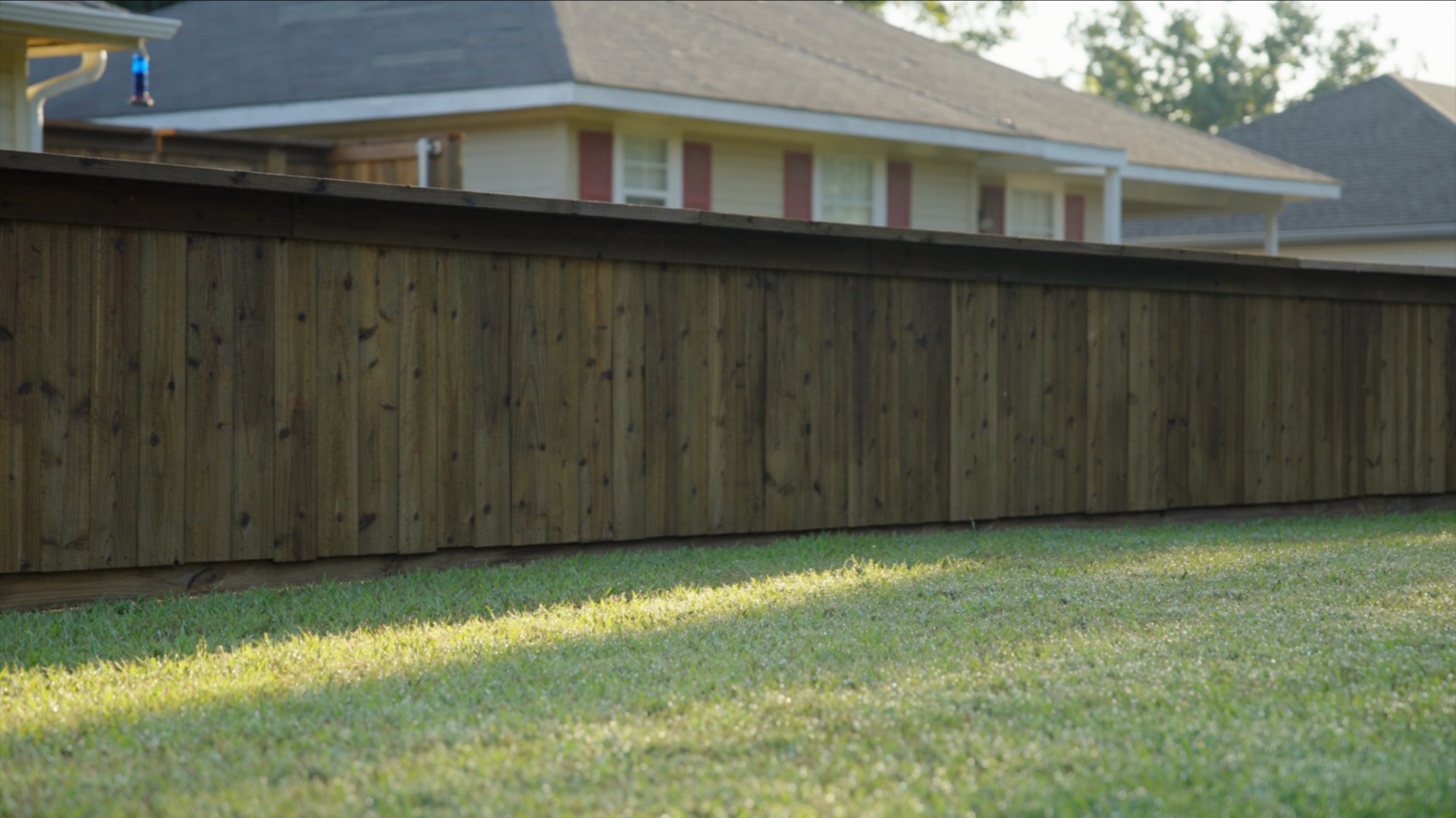
- Wood surfaces still look evenly protected (no early bare spots or patchy fading)
- Hardware shows no new rust or coating breakdown that is spreading
- Landscaping is not pushing against fence sections or trapping moisture
Representative Scenario
Consider a homeowner with a wood privacy fence and a driveway gate in Sherman, TX. After a season of heavy use, the gate starts to close a little slower and the latch catches on the frame. A quick inspection finds that the hinge hardware has loosened slightly and the gate is no longer sitting square. Scheduling maintenance right then allows a technician to realign the gate and tighten connections before the fence posts experience extra stress from the gate’s shifting weight.
Frequently asked questions
How often should I schedule fence installation maintenance in Sherman, TX?
For most fences, plan on a basic inspection about once or twice per year, then handle issues as soon as you notice them. If you have a gate or access point that gets used daily, check it a bit more often because hinges and latch points wear first. A seasonal walkthrough is a practical way to catch early movement, loose hardware, and finish wear before it becomes a bigger repair.
Does wood fencing need maintenance more frequently than chain link?
Usually, yes. Wood fence protection depends on the condition of the stain or finish and how moisture affects the surface over time. While chain link fencing still needs periodic inspections for alignment and hardware, wood typically requires closer attention to finish coverage and early wear. If you see patchy fading or faster water soaking, that is often the right time to schedule service for cleaning and protection planning.
What should I do if my fence gate starts dragging?
Do not force the gate shut. Gate drag is a sign of alignment changes, latch mismatch, or hinge hardware needs adjustment. Start by checking the latch and hinge points for looseness and uneven gaps. If the problem persists, schedule a service visit so the gate can be realigned and secured correctly, which helps prevent added stress on posts and connections.
Can I wait to stain a wood fence until it looks bad?
Waiting until the fence looks noticeably worn can lead to a larger maintenance job because the surface protection can break down unevenly. A better approach is to inspect seasonally and refresh protection when the finish starts to dull, fade, or show early bare areas. That timing helps maintain more consistent coverage and can reduce how often you need to address deeper wear.
How do temporary fence panels fit into maintenance?
Temporary security fencing and portable fence panels still need upkeep, especially around fasteners and stability. If you use temporary fence panels for events or short-term access control, check them regularly for looseness, shifting, or damaged sections. Planning inspections during the rental period helps keep the setup secure and reduces the chance of needing replacement mid-use.
Need help setting a maintenance plan for your fence?
Lowery Fence & Patio can help you figure out what to inspect now and what can wait, based on your current fence type and gate setup around Sherman, TX.
Call Lowery Fence & Patio: 903-833-3623Quick next step: If you are not sure whether your fence needs cleaning, re-staining, or repair, start with the checklist above and take note of where you see movement or finish wear. That information makes the first service visit more efficient.
Schedule fence maintenance in Sherman, TX
When maintenance is handled early, fences and gates stay more stable, look better longer, and require fewer repairs over time.
Contact Lowery Fence & Patio
About Lowery Fence & Patio
Lowery Fence & Patio provides fencing and outdoor living solutions for customers in Sherman, TX and surrounding areas including Collin County, Grayson County, Cooke County, and Fannin County. Their team supports residential and commercial fencing needs, including chain link fence installation, wood fencing, wrought iron fencing, fencing repairs, and gate options designed for everyday access.