
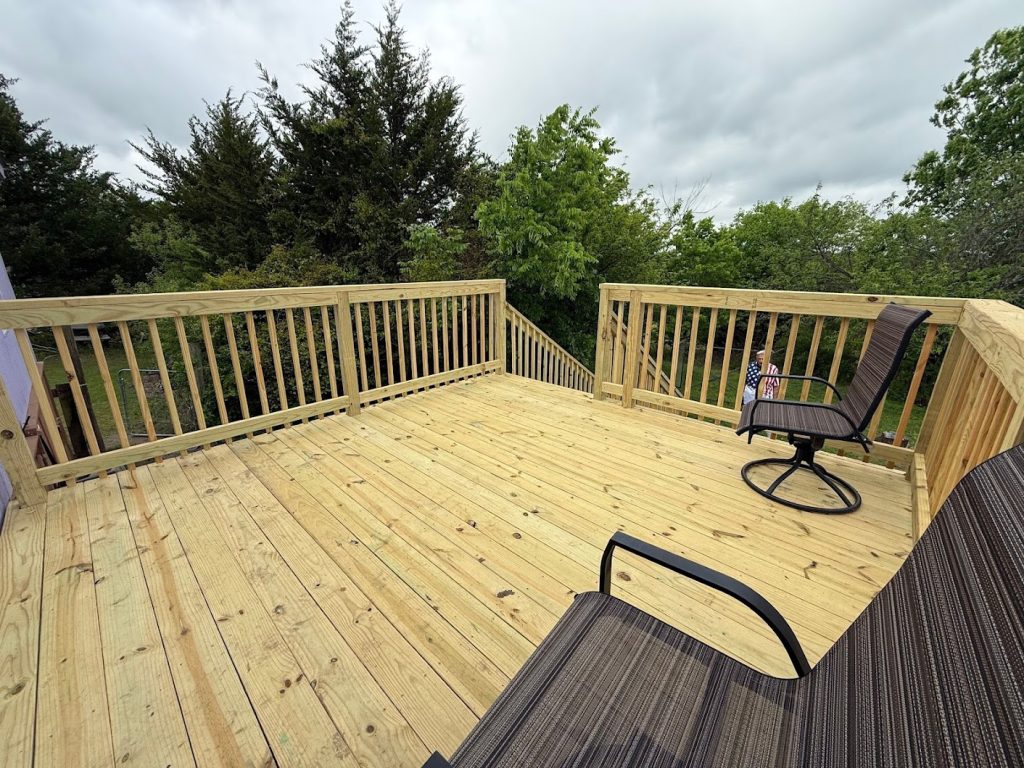
Warning Signs Your Deck Needs Installation Soon
If your deck in Sherman, TX has started to feel “off,” you are not imagining it. Small issues tend to show up first as fasteners loosen, boards flex, or railings feel less solid, then they escalate after heat, heavy rain, and freeze-thaw cycles.
Picture this: you step onto the deck to grab a cold drink, and one corner gives a little more than it should. Later, you notice gaps where you swear there were none last season, and your railing wiggles when the kids run past.
This guide helps you recognize the warning signs that your deck needs installation soon, what to check before it becomes a bigger repair, and when it makes more sense to rebuild than patch. It also connects deck planning to the rest of your outdoor living system, including fencing and gates that improve safety and access control.
- Quick answer
- What to check first
- Main things customers should understand
- Local factors for Sherman, TX
- Common mistakes to avoid
- Customer checklist
- Frequently asked questions
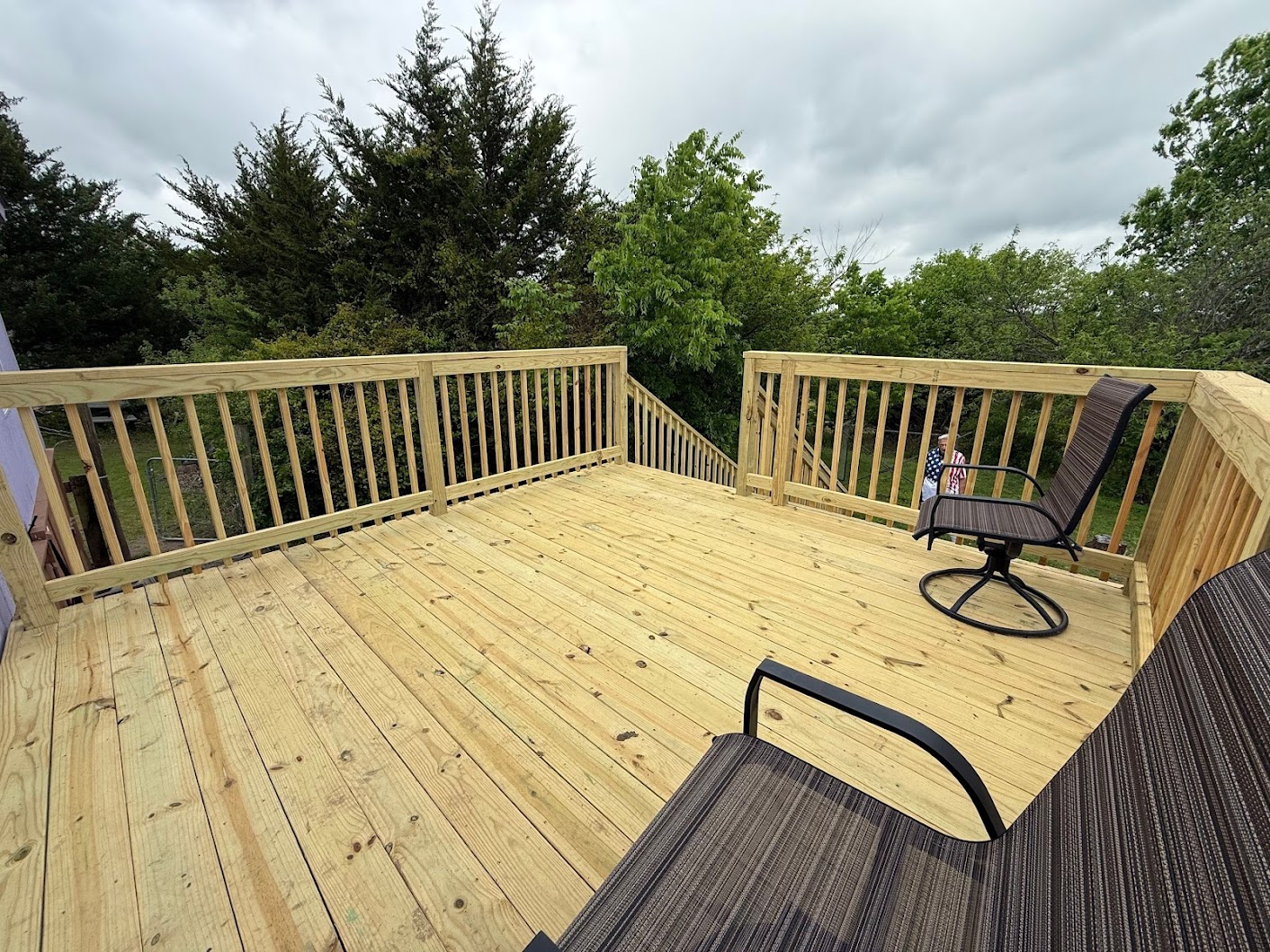
Quick Answer
If your deck boards flex, your railing feels loose, or you see rot, rusted hardware, or persistent wobble, it is usually time to schedule installation sooner rather than later. Start by checking for soft wood, lifting boards, and movement at the posts and ledger area. If the framing is compromised, replacing fasteners or boards alone will not fix the underlying problem. A practical next step is to have a deck-building pro inspect the structure and recommend repair versus full installation based on what is happening under the surface.
What to Check First
Do a quick “movement and moisture” sweep before you decide whether you need partial repairs or full deck installation. Walk the deck slowly and note exactly where it shifts. Then check the underside access points (or look for signs from below) for staining, sagging, or hardware that looks swollen, rusted, or pulled from the wood.
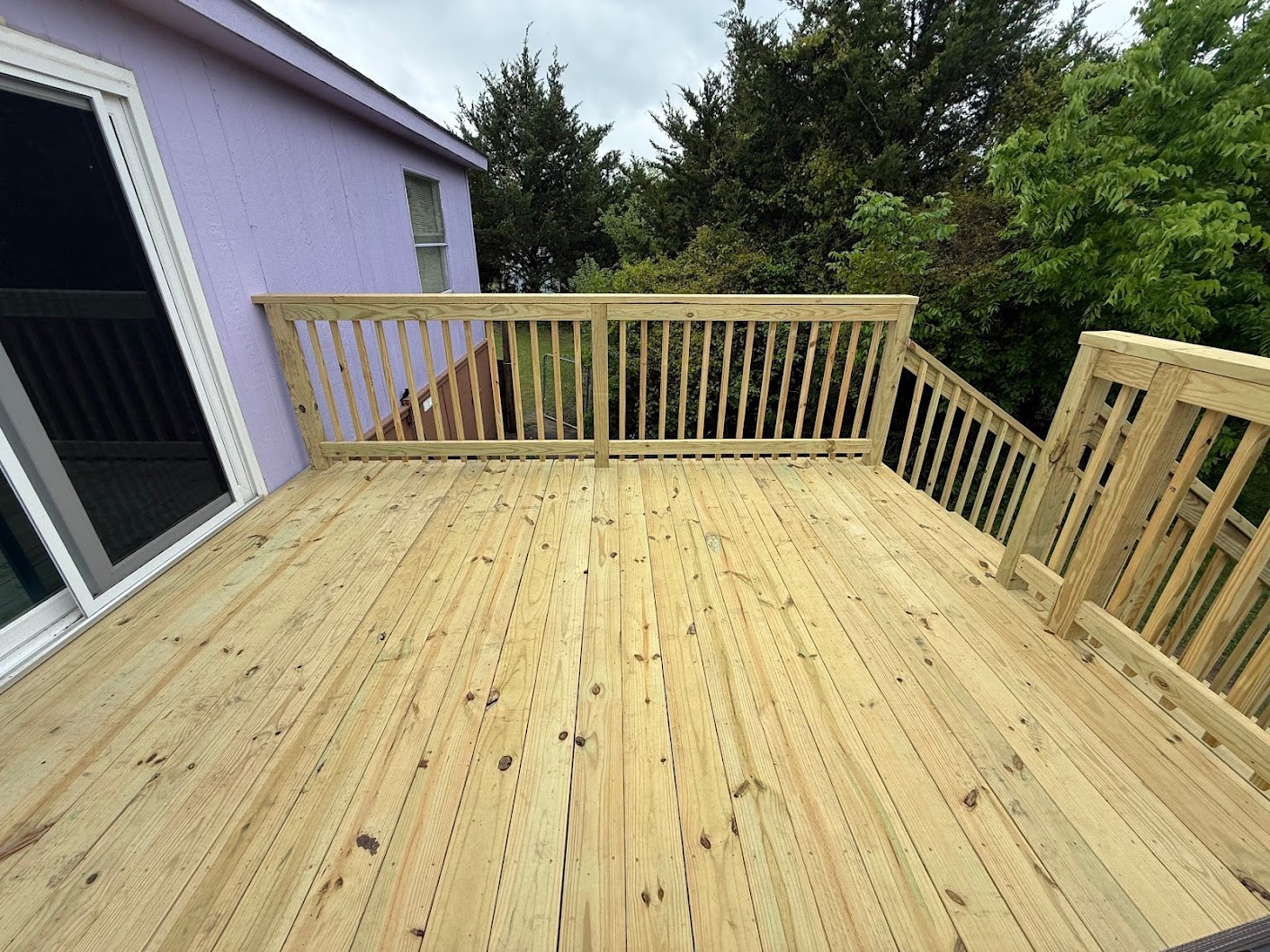
Professional observation: When customers describe “a little bounce” at one spot, the cause is often framing movement or ledger issues, not just a worn board on top.
Main Things Customers Should Understand
Deck performance depends on more than surface boards. In practice, the biggest red flags are structural movement, water intrusion, and compromised connections. In Sherman, TX, sun exposure and rainfall can accelerate wear, while temperature changes can loosen components over time. If you keep using the deck while it is shifting, the damage tends to spread to neighboring sections.
1) Noticeable wobble or sinking
If one corner dips or a section feels springy, the framing or support posts may be failing. That is a strong reason to plan deck installation soon.
2) Railing that wiggles
Loose railings often mean the posts or blocking behind them have weakened. Since railings are a safety feature, do not treat this as “cosmetic.”
3) Soft spots, rot, or dark staining
Soft wood, peeling surfaces, or recurring dark marks usually point to moisture. Once rot reaches framing, patching surface boards usually does not last.
4) Fasteners pulling out
Screws and nails that keep backing out can indicate substrate failure or movement that stresses connections.
5) Rusted or failing hardware
Corroded metal parts can lose strength. That is especially concerning when it is near load-bearing areas.
6) Water pooling or poor drainage
If areas stay wet after rain, you can get faster board cupping and hidden rot. Deck installation may include improved layout and material choices.
Practical recommendation: If you find movement plus moisture signs (staining, soft wood, or rust), treat it as an installation priority. Fixing only the top layer can leave the structural problem in place.
Why This Matters in Sherman, TX
Decks in Sherman, TX get a lot of real-world stress from sun, summer heat, heavy rain, and seasonal shifts. That combination can speed up deck board wear and loosen components, especially around areas exposed to splashback or where water collects. For homeowners, the most common pattern we see is a deck that starts “mostly fine,” then gradually develops soft spots and wobble until the railing and walkway feel unreliable.
| What you notice | Likely cause area | What to consider next |
|---|---|---|
| Boards feel springy or uneven | Framing movement or support spacing | Schedule an inspection to determine whether repair or deck installation is needed. |
| Railing posts move when pushed | Connection points and blocking | Prioritize safety and plan structural correction, not just tightening screws. |
| Soft wood or dark staining near edges | Moisture intrusion and rot | Plan for material replacement where rot has reached structural members. |
| Rusty hardware or fasteners pulling out | Failing connections under load | Have a pro check the load-bearing areas before continuing to use the deck. |
| Water pools after rain | Drainage and surface layout | Discuss drainage improvements during deck installation planning. |
Need a deck-building look-over in Sherman?
If you are seeing wobble, rot signs, or railing movement, a focused inspection helps you decide between targeted fixes and deck installation. Call Lowery Fence & Patio for guidance on next steps.
Call 903-833-3623Common Mistakes to Avoid
Homeowners often try quick fixes that do not address the underlying structure. Those shortcuts can make the deck feel stable for a short time, then problems return worse. Avoid these common traps, especially if you are noticing movement in multiple spots.
- Only replacing surface boards when the framing or connections are moving.
- Tightening railings without checking whether the posts and blocking are failing.
- Ignoring soft spots and continuing to use the deck during wet weather.
- Waiting until the deck feels “unsafe” instead of planning installation soon after the first signs of wobble.
- Relying on temporary fixes like additional screws or patch boards when moisture is present.
Customer Checklist
Use this quick checklist to document what you see. It helps you describe the issue clearly when you talk with a deck-building team and can reduce time spent on back-and-forth.
- Find the exact spot where the deck shifts or bounces.
- Check railing movement by gently testing posts and top rails.
- Look for soft wood (press test) and dark staining near seams and edges.
- Inspect fasteners and hardware for rust, pulling, or stripped heads.
- Check drainage after rain to see where water pools.
- Note any recent changes like added weight, storms, or new traffic patterns on the deck.
Representative Scenario
A Sherman homeowner noticed a slight bounce by the steps after a season of heavy rain. They replaced a couple of boards on the top surface, but the wobble stayed in the same area. When they had the deck inspected, the pro found that the movement was coming from below where moisture had affected parts of the support structure. The safest path was planning deck installation rather than repeated surface patching.
Frequently asked questions
How can I tell if my deck needs installation soon or just repair?
Start with movement and moisture. If the deck shifts, sags, or feels springy in a consistent spot, the framing or supports may be involved. If you also see soft wood, dark staining, or rusted hardware, surface-level fixes usually do not last. A professional inspection can confirm whether the issue is limited to boards and fasteners or whether deck installation is the more reliable solution.
What warning signs matter most for safety?
Railing that wiggles and any wobble that changes when you step at specific locations are key safety indicators. Soft spots, visible rot, and hardware that pulls out are also red flags because they suggest the structure is weakening. If you notice these patterns, it is wise to plan an inspection promptly and avoid overloading the affected area.
Does weather in Sherman, TX make deck problems show up faster?
Yes. Decks in Sherman, TX experience cycles of sun exposure, heavy rain, and seasonal temperature changes. That mix can accelerate wear of deck boards and loosen connections over time, especially where water pools or splashback reaches the structure. When moisture is involved, small issues can become bigger faster, so catching the problem early matters.
Can my fencing or gate setup affect deck safety?
It can. A deck often ties into how people move around your property, particularly near entrances, walkways, and backyard zones. If you are coordinating the overall outdoor layout, you may want to review related access points like gates. For guidance, you can explore gate options from Lowery Fence & Patio.
What should I do right now if the deck feels unstable?
Limit use of the affected area and avoid heavy loads until it is inspected. If the railing or a corner is moving noticeably, do not rely on temporary tightening as a long-term fix. Document where the movement happens and what it looks like after rain. Then schedule an assessment so you can plan the right path, whether that is targeted repair or deck installation.
Ready to plan your next step?
If your deck in Sherman, TX is showing wobble, moisture signs, or railing movement, Lowery Fence & Patio can help you map out practical options. You can also review deck-building services to understand how installation planning fits into a complete outdoor living setup.
Explore Deck Building Talk to Lowery Fence & Patio
About Lowery Fence & Patio
Lowery Fence & Patio provides fencing and outdoor living services for customers across Sherman, TX and the surrounding counties. Their team supports residential and commercial property needs, including fence installation, deck building, and related outdoor upgrades designed to improve safety, access, and day-to-day usability.
For additional outdoor project planning, you can browse residential fencing or compare materials like wood fencing.