
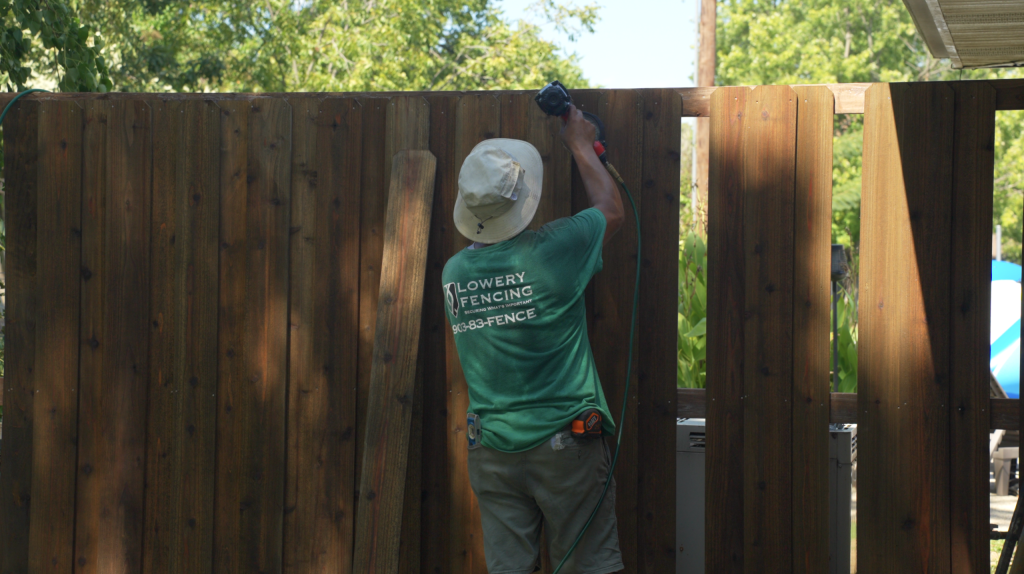
Fence Installation Help for Sagging Posts and Leaning Panels
If your fence in Sherman, TX has started to sag, lean, or leave gaps, the issue is often more than “just a panel.” This guide helps you pinpoint what is actually failing, what to check first, and what a proper fix usually involves for chain link, wood, and gate systems.
Last week, a homeowner near Sherman noticed their fence line looked “off” after a heavy rain. By the weekend, one section was noticeably leaning, and a couple of boards were pulling away from the posts.
Most people assume the problem is cosmetic until the fence starts letting pets or kids slip through. The truth is that sagging posts and leaning panels usually point to a foundation or alignment issue that needs attention before it gets worse.
- Quick answer
- What to check first
- Main things customers should understand
- Why this matters in Sherman, TX
- Common mistakes to avoid
- Customer checklist
- Frequently asked questions
Quick Answer
If your fence posts are sagging or your panels are leaning, start by checking the post stability, the fence line alignment, and the hardware connections. A leaning section is commonly caused by a post that has shifted in soil, inadequate bracing, or damage at connection points like rails, brackets, or gate hinges. The practical next step is to stop “re-straightening” the panel repeatedly and instead inspect the post base and surrounding area. If the post moves or the fence line won’t hold position, a proper re-install or repair is usually the right fix.
What to Check First
Begin with the simplest observations. Walk the fence line in Sherman, TX and identify exactly where the sag begins and where the fence looks “pulled” out of alignment. If you can find one corner, gate area, or end post that looks different, that is often where the problem started.
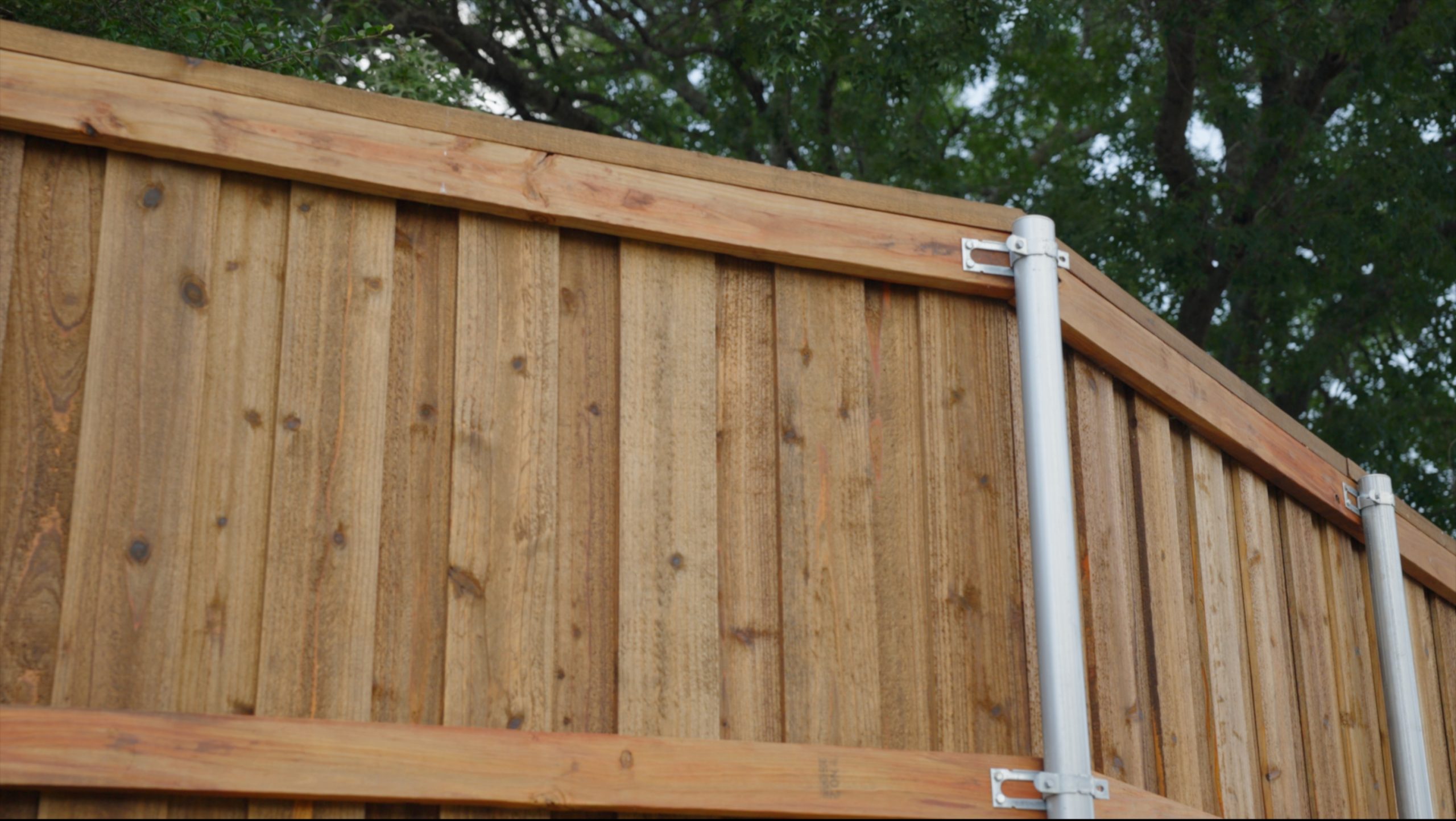
Professional observation: Leaning panels are frequently a symptom. If the post base or bracing is compromised, the panel will never stay straight for long.
Next, test stability carefully. Push gently on the leaning section and watch the adjacent post and rails. If the post shifts in the ground, the fix must address the post foundation and its ability to resist fence tension. If the post feels firm but rails or brackets are loose, the solution may focus on re-fastening, replacing damaged hardware, or correcting rail alignment.
Main Things Customers Should Understand
Not all sagging is the same. The most effective repairs depend on the fence type and the way that fence transfers force to the posts. Chain link, wood, and metal styles can all lean for different reasons, even when the visible result looks similar.
Chain link: tension and post anchors
When chain link fence sections lean, it often relates to tensioning and the ability of end and corner posts to resist pull. If the fabric sags and the posts drift, repairing connections without addressing post stability usually leads to repeat issues.
Wood: rot, loosened rails, and alignment
Wood fences commonly lean when rails loosen, fasteners fail, or a post has softened at the base. In many cases, the panel looks like it moved, but the rail connection points are what tell you where the system is coming apart.
Gates: hinges, latches, and driveway pressure
Gate areas put extra stress on posts. If a driveway gate or walk gate drifts out of square, the rest of the fence line can appear crooked next to it. Fixing gate alignment can be key to restoring the fence look.
One firsthand-style detail we see often: people straighten a leaning section by forcing the panel back into place, then fasten it again. The problem is that the fence is under tension, and the post or rail connection is still in motion. Over time, the new fasteners can loosen again, and the fence may lean farther than before.
Why This Matters in Sherman, TX
In Sherman, TX and the surrounding Collin County, Grayson County, Cooke County, and Fannin County areas, fence failures are frequently tied to how the ground shifts and how water moves around a property. After heavy rain, water can undermine soil around a post base, and freeze-thaw is not the only seasonal factor. The practical takeaway is to address the post support and drainage-related conditions rather than treating the leaning as a one-time adjustment.
Local focus: If your fence problem started after a weather event, plan for a repair that accounts for post stability and alignment. That approach helps prevent the same section from leaning again.
Common Mistakes to Avoid
Many fence repairs go sideways because the fix targets the visible panel instead of the system underneath it. Here are the most common mistakes homeowners make when dealing with sagging posts and leaning panels.
- Reattaching panels without checking the post base. If the post has shifted, the panel will continue to drift.
- Ignoring gate alignment. A driveway gate or walk gate that is out of square can pull adjacent sections out of line.
- Replacing a rail or board while leaving loose hardware behind. The next connection point becomes the weak link.
- Trying to “pull it straight” repeatedly. Fence tension can undo quick fixes and lead to more leaning.
- Overlooking fence staining needs after wood repairs. Untreated wood can weather unevenly, making future maintenance harder.
Customer Checklist
Use this quick checklist before you call for help. It helps you describe the issue clearly and gives the installer a starting point for deciding whether the repair is connection-focused or post-foundation-focused.
- Mark the exact section where the sag starts and where it stops along the fence line.
- Test gently: does the post move when you push the panel lightly?
- Check rails and fasteners: are brackets loose, missing, or pulling away?
- Look at gate areas: do hinges and latches sit evenly and close without binding?
- After rain: does water collect near the leaning post or end/corner?
- Snap a few notes: which fence type you have (chain link, wood, wrought iron), and whether the issue is isolated or continuous.
| What you notice | Most likely cause | Typical repair direction |
|---|---|---|
| Post shifts when panel is pushed | Post base movement or compromised support | Re-stabilize or re-install the affected post(s), then re-align panels |
| Post feels firm, but rails/brackets are loose | Connection failure or misalignment at hardware points | Re-secure or replace damaged rails/hardware and straighten the section |
| Issue is near a gate and panels look pulled | Gate misalignment affecting fence line tension | Square the gate system and restore alignment to adjacent fence sections |
| Chain link fabric sags and end/corner posts look out of place | Tensioning and end post resistance | Correct tension and reinforce end/corner posts as needed |
Need help with a leaning section in Sherman, TX?
Share where the sag starts and whether the post base feels loose. Lowery Fence & Patio can help you choose a repair approach that matches your fence type and the real cause.
Call Lowery Fence & PatioRepresentative scenario
A property manager in Sherman, TX reported that a wood privacy fence began leaning after a period of heavy rainfall. The boards looked uneven, but the first clue was that the adjacent rail fasteners were pulling away. The fence line had not just “moved,” it was losing its ability to hold straight. The right fix focused on restoring post support and re-establishing proper alignment before any final aesthetic work.
Frequently asked questions
Here are the questions we hear most from homeowners and property managers dealing with sagging posts and leaning panels.
Can I fix a leaning fence section without replacing posts?
Sometimes. If the post base feels stable and the issue is mainly loose rails, brackets, or connection points, a repair may focus on re-fastening and alignment. If the post shifts when you push the panel gently, the repair usually needs to address the post support itself. The goal is to stop the movement at the source so the fence can stay straight.
Why does my fence look worse after rain?
Water can change how soil behaves around a post base and can affect how a fence section holds its position. If drainage or soil conditions have allowed movement, repairs that only reattach panels often do not hold. A more reliable approach checks the post stability and alignment after the area has been exposed to moisture.
Is this problem different for chain link versus wood fencing?
Yes. Chain link fence sections rely heavily on proper end and corner post resistance and correct tensioning, so leaning often ties back to how those posts handle pull. Wood fences more often show connection failures, loosened rails, or base-related deterioration that affects alignment. Identifying your fence type helps narrow the most likely root cause.
What should I check if the leaning section is near a gate?
Gates concentrate stress on hinges, latches, and the posts they mount to. If the gate does not close smoothly or sits out of square, it can pull adjacent fence sections out of alignment. Check whether the gate binds, whether latch points line up, and whether nearby posts look displaced compared to other sections.
After repairs, do I need to stain wood fencing?
If you have a wood fence, staining helps protect the material and can improve how repaired sections blend with the rest of the fence line. If you are planning wood fence installation or repairs, it often makes sense to plan staining as part of the overall restoration. For wood-specific maintenance, consider reviewing options for fence staining.
Get an on-site look at your sagging posts
If your fence in Sherman, TX is leaning or sagging, the best next step is an inspection that focuses on post stability, alignment, and hardware connections. Lowery Fence & Patio serves residential and commercial properties across the nearby counties.
View Residential Fence Options
About Lowery Fence & Patio
Lowery Fence & Patio provides fencing and outdoor living solutions in Sherman, TX, serving Collin County, Grayson County, Cooke County, and Fannin County. Their work includes fence installation and repair across common styles such as chain link, wood, and wrought iron, along with outdoor upgrades like custom patio covers, concrete services, and deck building.