
Signs Your Fence Needs Repair Before It Fails
A fence can look “fine” right up until it stops protecting what you care about. If you are seeing sagging sections, gaps that keep widening, or gate hardware that no longer lines up, waiting usually turns a manageable repair into a bigger replacement job.
Last week, a homeowner in Sherman, Texas noticed their backyard gate dragging across the driveway after rain. The latch still “sort of” caught, but the gap along the fence line had grown enough that small pets could slip through.
That is the moment many people realize fence repairs are not just cosmetic. This guide helps you spot the early warning signs, understand what usually causes them, and decide what to check first before a fence fails.
- Quick answer
- What to check first
- Main things customers should understand
- Why this matters in Sherman, TX
- Common mistakes to avoid
- Customer checklist
- Frequently asked questions
Quick Answer
If your fence posts are leaning, panels are sagging, gates do not close or latch smoothly, or you are seeing rust, rot, or fasteners backing out, it is time to schedule an inspection. Quick fixes like tightening hardware can help short-term, but the bigger issue is usually structural. In Sherman, TX, rain and temperature swings can accelerate looseness and material wear, especially on wood and metal. Start by checking the gate alignment and the condition of the bottom rails and post bases. If you spot movement or damage, have Lowery Fence & Patio evaluate the section before it fails.
What to Check First
Begin with the points that experience the most stress: gate hardware, hinges, latch alignment, and the fence area near corners and end posts. When a fence “fails,” it rarely starts in the middle of a run. It often starts where leverage is greatest.
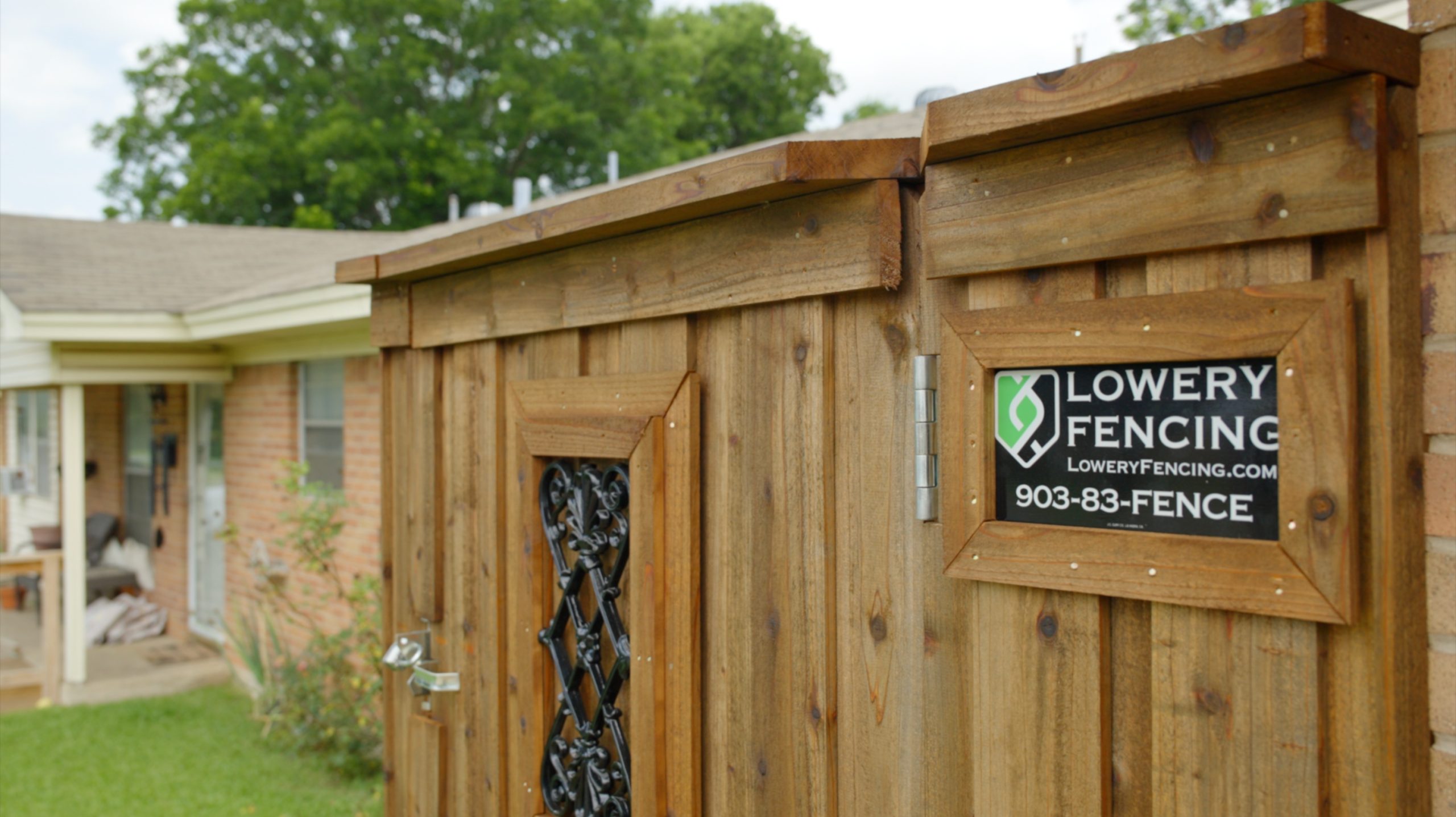
Gate alignment
Look for uneven gaps at the latch side and hinges. If the gate drags or the latch now requires extra force, the frame or posts may have shifted.
Post movement
Check for wobble when you push gently on a panel. Even slight movement can mean the post base is compromised.
Bottom rail and clearance
Inspect the area where the fence meets soil or concrete. Rot, rust, or separation at the bottom usually spreads upward.
Professional observation: If you can feel the fence flexing more than it used to, that is a structural change, not a surface problem.
Main Things Customers Should Understand
There are a few recurring “root causes” behind fence repair needs. Once you understand what is driving the problem, you can make more accurate decisions about whether repair is the right move or whether a section needs to be rebuilt.
| What you notice | What it often means | Why it matters |
|---|---|---|
| Posts leaning or visibly out of plumb | Soil settling, base damage, or hardware failure | Loads transfer to panels and gates, causing widening gaps |
| Sagging fence lines or bowed sections | Loose rails, compromised fasteners, or insufficient bracing | Wind and weight stress accelerate the damage |
| Rust spots, loose wire ties, or missing sections | Corrosion at stress points or broken components | Security and pet containment drop quickly |
| Wood boards feeling soft or visibly splitting | Moisture intrusion and rot | Repair may require replacing affected boards and protecting the rest |
| Gate not closing evenly | Hinge wear, frame twist, or post shift | Forced latching can break hardware and worsen alignment |
When you contact a fence company in Sherman, TX, the best conversations start with inspection details. Ask what is causing the movement and which components are failing. For example, a chain link fence repair often focuses on tension, ties, and section alignment, while wood fence repair may require addressing rot and moisture exposure. If you are comparing materials or planning a long-term improvement, it can help to review service options like wood fence installation or chain link fencing.
Why This Matters in Sherman, TX
In Sherman, Texas, fences take on a lot of cycles: wet weather that works itself into wood and metal, plus temperature swings that can loosen fasteners over time. If you have privacy fence installation along a backyard that gets heavy rain run-off, or you have driveway gate installation that sees frequent daily use, small alignment issues can become repeat problems.
Lowery Fence & Patio serves Sherman and surrounding communities across Collin County, Grayson County, Cooke County, and Fannin County. That local coverage matters because the “usual suspects” for fence wear tend to show up where soil conditions and drainage patterns create pressure around post bases and gate anchors.
Local tip: After a heavy rain, do a quick walk-around. If you notice new gaps or a gate that suddenly feels heavier, it can point to movement at posts or hinge points.
Common Mistakes to Avoid
Homeowners often try to solve fence problems in ways that temporarily hide symptoms. The issue is that many failures are structural, which means the “fix” has to address the cause, not only the surface.
- Tightening hardware without checking post movement. If a post base is compromised, tightening hinges can make the misalignment worse.
- Replacing only one board or panel on a rotted section. Rot can spread into adjacent pieces once moisture has found a pathway.
- Ignoring gate drag. Forcing a latch can bend frames and accelerate hinge wear.
- Waiting until a fence section fully separates. Once panels lose their support, repairs often expand to rails, bracing, and sometimes additional posts.
- Assuming chain link issues are “just missing wire.” When tension is off, repairs may need tension and alignment work, not only patching.
Customer Checklist
Use this checklist before you call. It helps you describe what you see and speeds up a helpful inspection conversation.
- Walk the fence line and mark any sections with visible sagging or separation.
- Test gate movement: does it drag, bounce, or close unevenly?
- Check for loose fasteners, bent rails, or hardware that looks “shifted.”
- Look at post areas near the ground for rust, soft wood, or cracking.
- After rain, re-check clearance gaps and any areas that look different.
- Note whether the issue is isolated to one run or repeats at corners and gates.
Representative Scenario
A property owner along a Sherman driveway noticed their privacy fence boards starting to separate near a gate. The latch would catch, but it required a push. After a rain, the fence line looked slightly lower, and the gate began to swing out farther than before. Instead of only replacing the visibly damaged boards, an inspection focused on the gate side posts and the bottom rail area where moisture had likely worked in. The repair plan addressed the structural points first, then restored the alignment so the gate closed normally again.
Need a quick inspection to prevent a bigger fence replacement?
If you are seeing leaning posts, sagging sections, or a gate that will not close smoothly, Lowery Fence & Patio can help you identify what is failing and what can be repaired.
Call Lowery Fence & PatioFrequently asked questions
Here are common questions homeowners and business owners ask when they suspect fence damage. If your situation matches one of these, it is a good sign to schedule an inspection before the problem spreads.
Can I just tighten the fence hardware to fix sagging sections?
Tightening can help if the issue is minor and the posts are stable. If the fence is sagging because a post base has shifted, tightening may reduce play temporarily but not correct the underlying movement. A proper inspection checks post plumb, rail attachment points, and gate alignment so the repair addresses the structural cause.
What are the first signs my gate posts are failing?
Watch for the gate closing unevenly, latch misalignment, or a gate that starts dragging after rain. You may also see growing gaps at the hinge side or latch side. These symptoms usually point to post movement or hardware wear, which can worsen quickly if the gate is forced into position.
How does chain link fence repair differ from wood fence repair?
Chain link repair often focuses on alignment, tension, and the components that hold sections together, such as ties and connected framework. Wood fence repair typically centers on moisture exposure, rot, and replacing affected boards and protecting the surrounding pieces. In both cases, the goal is to restore stability so the fence line stays in place.
When should I consider fence stain or finishing as part of repairs?
If you have wood fencing, finishing can be part of a long-term protection plan after repair work. Staining helps protect against moisture exposure that can contribute to rot and soft spots over time. If the fence already shows damage, it is best to address the failing sections first, then plan a protective finish.
Do you handle commercial fence installation and repair?
Yes. Businesses often need fences that maintain consistent access control and reliable perimeter coverage. Repair needs may involve gates, commercial fence contractors scope, or restoring sections that have been impacted by use. Lowery Fence & Patio supports commercial fencing needs in and around Sherman, Texas.
Get your fence back to doing its job
If you are in Sherman, TX and you are seeing early warning signs, addressing the problem now is often the simplest way to avoid a larger repair later. Lowery Fence & Patio can help you evaluate what needs attention and what can stay.
Schedule with Lowery Fence & Patio
About Lowery Fence & Patio
Lowery Fence & Patio provides fencing and outdoor living solutions for homeowners and businesses in Sherman, TX. Their team supports residential and commercial fence installation and repair, including chain link fencing, wood fencing, wrought iron options, and gate solutions designed for reliable access control.