
Fence Installation vs DIY: Which Holds Up Longer?
If you have seen a fence start to lean after a season or noticed gaps that weren’t there last year, you are not alone. In Sherman, TX, weather swings and soil conditions can turn small installation shortcuts into long-term problems.
Picture this: you and a buddy planned a weekend fence project, set a few posts, hung the panels, and felt great about it. Then spring turns into summer, a storm rolls through, and you start noticing misalignment and looseness along the run.
Most homeowners are not worried about “perfect” looks. You want the fence to stay straight, work smoothly at gates, and hold up without turning into an ongoing fence repair cycle. This guide helps you compare DIY vs professional fence contractors by looking at what actually drives longevity, from post installation to materials and maintenance.
- Quick answer
- What to check first
- Main things customers should understand
- Why this matters in Sherman, TX
- Common mistakes to avoid
- Customer checklist
- Frequently asked questions
Quick Answer
In most real-world situations, professional fence installation holds up longer than DIY because the biggest durability drivers are post depth, alignment, and correct hardware placement. DIY can work for small, simple runs, but fences take on stress from wind, gate use, and ground movement, and those issues often show up after the first few seasons. If you want the fence to stay straight and reduce fence repair services later, prioritize proper post installation and gate setup, then match the material to your needs. For most homeowners in Sherman, TX, that points to hiring experienced fence contractors.
What to Check First
Before you decide DIY or hire a fence company, look at what your fence is being asked to do. A privacy fence installation needs strong post placement and consistent spacing. A chain link fence installation is often more forgiving visually, but it still depends on tensioning and correct fittings. And if you are planning driveways or walkways, gate installation quality affects daily use more than most people expect.
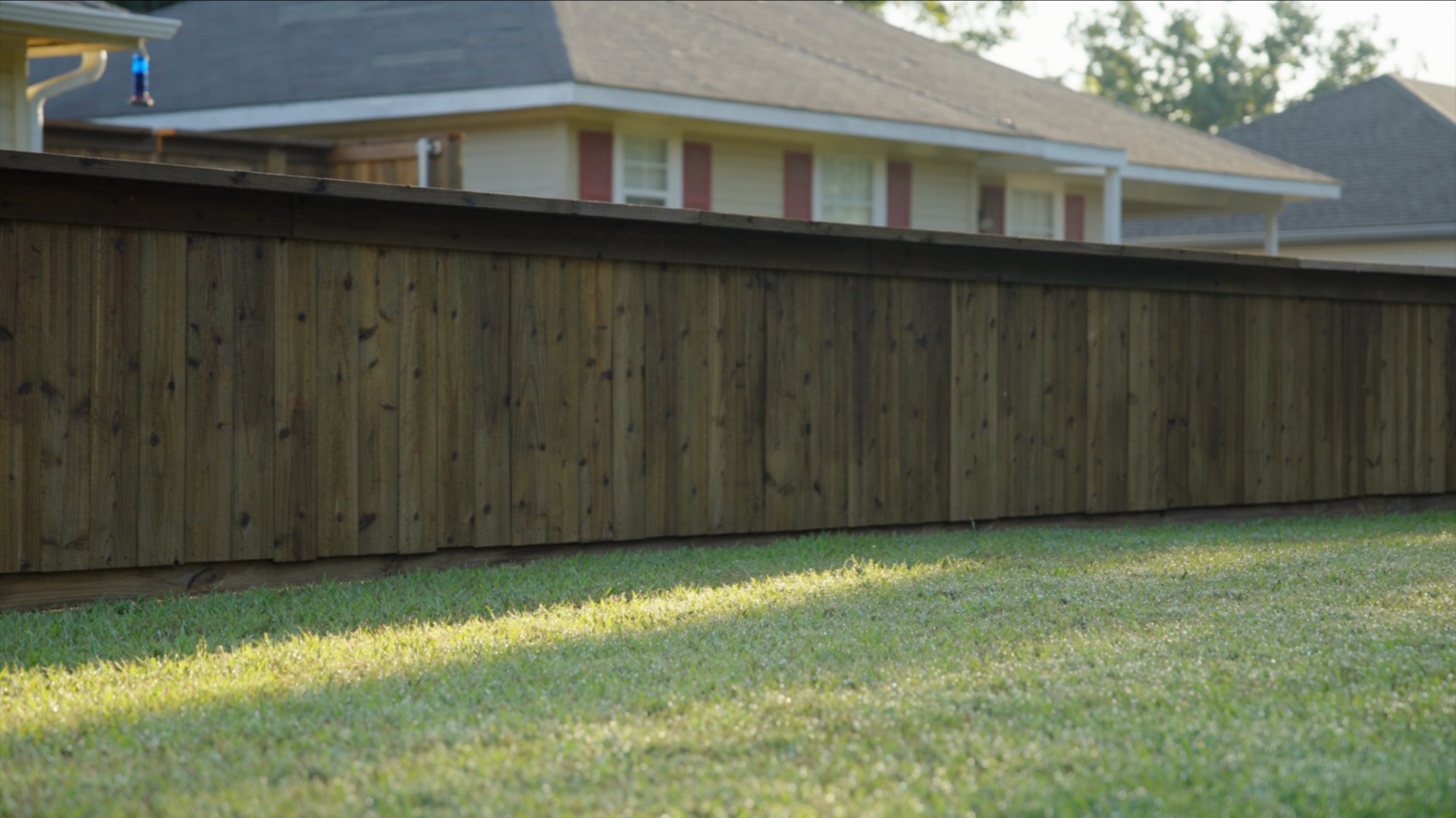
If you already know your fence type, use it to guide your decision. For example, if you are leaning toward wood fencing, factor in long-term upkeep like fence staining and protection against moisture. If you are considering chain link or wrought iron, focus on hardware, alignment, and whether the fence line is staying true over time.
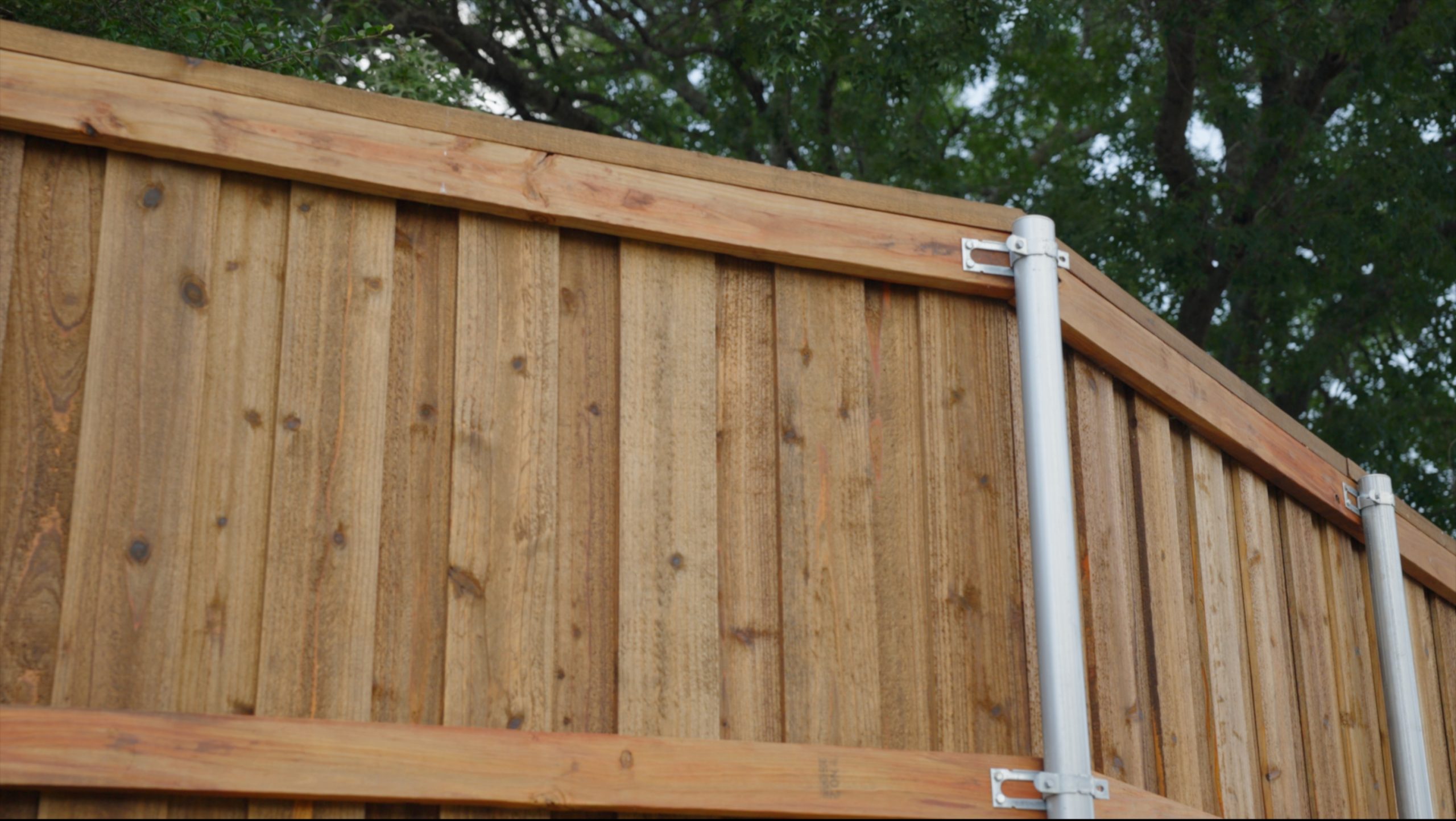
Post stability
Most leaning and sagging starts with how posts were set, not how “straight” the panels look on day one.
Gate performance
Automatic gate installation or manual driveway gate installation both require precise alignment to avoid binding.
Material fit
Your climate and use pattern should match the fence material and maintenance plan.
Professional observation: The “easy” part of fence work is hanging panels. The “lasting” part is getting the foundation right, especially around corners, slopes, and gate locations.
Main Things Customers Should Understand
When people compare DIY vs professional work, they usually talk about time and tools. Longevity comes down to a few repeatable details that are easy to underestimate. Here is what tends to matter most for how long a fence holds up in Sherman, TX and surrounding areas like Collin County, Grayson County, Cooke County, and Fannin County.
| Longevity driver | DIY outcome (typical risk) | Professional installation outcome (typical benefit) |
|---|---|---|
| Post depth and spacing | Posts can shift after ground movement, leading to leaning sections. | Posts are installed consistently for stronger long-term stability. |
| Line and alignment | Small misalignment becomes visible after storms and seasonal expansion. | Fences are set to stay true along the full run. |
| Gate setup | Gates may drag or sag because hinges and clearances were not dialed in. | Gate hardware is positioned so the gate swings and closes reliably. |
| Material handling | Wood can be installed without the right finishing schedule, impacting durability. | Maintenance steps like fence stain and seal are planned around your material. |
| Repairs and adjustments | Minor issues can turn into bigger fence repair services needs. | Installation supports easier adjustments later when minor settling happens. |
Materials: longevity is not one-size-fits-all
Different fence types fail in different ways. Wood fencing often depends on consistent protection and proper finishing, especially for areas that get wet or see frequent sun. If you are exploring wood fence options, it helps to know how long-term care works. You can also review fence staining so you understand what keeps wood looking good and performing better.
Hardware and access control
Gates are where homeowners feel the difference first. Driveway gates take daily use, while walk gates face frequent open-and-close cycles. If access control matters, it is worth looking at gate installation and how different setups hold alignment over time. Even a well-built fence line can underperform if the gate is not installed with correct clearances and hardware placement.
Handheld “precision” vs measured consistency
One firsthand-style reality check: I often see DIY work where each individual section looks acceptable when viewed up close. The problem is the fence line is a system. Corners, transitions, and gate openings create cumulative stress. If those points are set slightly off, the fence can start to “walk” over time, and that is when you start hearing about repairs.
Practical recommendation: If you want the fence to hold up longer, treat the post setting and gate alignment as the priority. Panels and rails matter, but they are downstream of the foundation.
Why This Matters in Sherman, TX
Sherman, TX can bring weather swings that stress fence lines, especially after storms and seasonal changes. In this region, fences often face a mix of wind exposure and soil movement, which can loosen a poorly set post or exaggerate a fence line that was not kept straight during installation. That is why many homeowners in Sherman choose durable setups and professional residential fence contractors when they want fewer surprises.
Lowery Fence & Patio also serves nearby communities across Collin County, Grayson County, Cooke County, and Fannin County. That service area matters because property conditions can vary, from fence runs on established lots to outdoor living spaces that are being upgraded along with patios and other structures.
Matching fencing to your outdoor living plans
If you are pairing fencing with a backyard upgrade, you can plan the layout for smoother access and better functionality. For example, if you are building out outdoor living features, it can be helpful to coordinate fence and patio work so gates and foot traffic flow correctly. You can explore custom patio covers when your project includes shade and outdoor use.
Material option examples
Some homeowners need a fence that fits a specific look or property use. If you are deciding between options, these pages can help you compare what is common for different applications: chain link fencing, wrought iron fencing, and residential fencing.
Want a fence plan that fits your property?
Share your fence type and where the gate openings will be. We can help you think through what will hold up longer before you commit to DIY steps.
Request Fence Installation GuidanceCommon Mistakes to Avoid
DIY projects often run into the same issues, especially when a homeowner tries to “make it work” with a quick adjustment. These are the mistakes that most frequently reduce how long a fence holds up.
- Rushing post placement and spacing, then relying on the panels to hide unevenness.
- Skipping careful gate alignment, which can cause sagging, dragging, and repeat adjustments.
- Underestimating how corners and transitions affect the whole line over time.
- Not planning maintenance for the material you choose, especially for wood fence installation and fence stain schedules.
- Choosing a fence type without considering daily access needs around the driveway and walk paths.
Representative scenario: the “weekend fix” that cost more
A homeowner in Sherman started a DIY fence replacement after noticing privacy gaps. The panels went up quickly, but the gate opening was slightly off. After a storm and a few weeks of daily use, the gate began to bind. Instead of one adjustment, the homeowner ended up needing a larger reset to restore alignment. The fence line looked fine at first glance, but the gate performance revealed the foundation issue.
Customer Checklist
Use this checklist to decide what to DIY and what to hand off to fence contractors. If you can answer these questions with confidence, you will be making a more durable choice.
- Do you know your fence type and whether you will need fence staining services or other maintenance after installation?
- Are you confident about post setting for stability, especially at corners and near gates?
- Will the gate be used daily, and do you have a plan for driveway gate installation or walk gate clearances?
- Have you planned for straight alignment along the entire run, not just section-by-section?
- Do you have a realistic maintenance schedule so the fence stays protected after storms and seasonal changes?
- If you need access control, have you considered how the gate setup will stay aligned over time?
Frequently asked questions
These are common questions Sherman-area homeowners ask when deciding between DIY fence work and professional fence installation.
Will a DIY fence last as long as a professionally installed one?
DIY can last, especially for short, simple runs, but longevity often depends on the foundation details. Post depth, spacing, alignment, and gate hardware placement are the parts that drive how the fence performs through seasonal movement and storm exposure. If those pieces are slightly off, you may notice leaning, gaps, or gate binding sooner than expected. A professional installation focuses on those durability drivers so the fence stays straighter longer.
What part of a fence project matters most for long-term durability?
For most homeowners, the biggest durability factor is how the posts and gate areas are set. Panels can look straight initially, but posts that are not installed consistently can shift, and gates that are not aligned can sag or drag after repeated use. If you are comparing approaches, prioritize post stability and gate setup over aesthetics on day one.
Does fence staining or finishing affect how long the fence lasts?
Yes, especially for wood fence installation. Wood performance depends on protection and maintenance over time. If you want the wood look and the structure to stay in better shape, plan for fence stain and seal or fence staining services as part of your overall ownership plan. Even the best installation benefits from finishing that matches your climate and exposure.
Are gates usually the first thing to need repair?
Gates often reveal installation issues first because they experience constant movement and higher loads than fence panels. Small alignment problems can turn into binding, misalignment, or uneven closing. That is why driveway gate installation and walk gate setup should be handled with careful clearances and hardware placement if you want smoother operation over time.
Can I start DIY and switch to pros if I get stuck?
It can be possible to bring in professionals for the parts that matter most, like resetting posts, correcting alignment, or addressing gate performance. The earlier you pause and get a plan, the better chance you have of avoiding rework. If you already have materials and want guidance, contact Lowery Fence & Patio and explain where the fence line and gate openings are located.
Ready to choose the option that holds up longer?
If you want a fence that stays straight and functions well, start with proper installation planning. Lowery Fence & Patio helps homeowners and property owners across Sherman, TX and the surrounding counties with fence installation and outdoor living projects.
Call Lowery Fence & Patio: 903-833-3623
About Lowery Fence & Patio
Lowery Fence & Patio provides fencing and outdoor living solutions for customers in Sherman, TX and nearby areas including Collin County, Grayson County, Cooke County, and Fannin County. Their work covers residential and commercial fencing options, along with outdoor upgrades like custom patio covers, concrete services, and related finishing support to help projects perform well over time.