
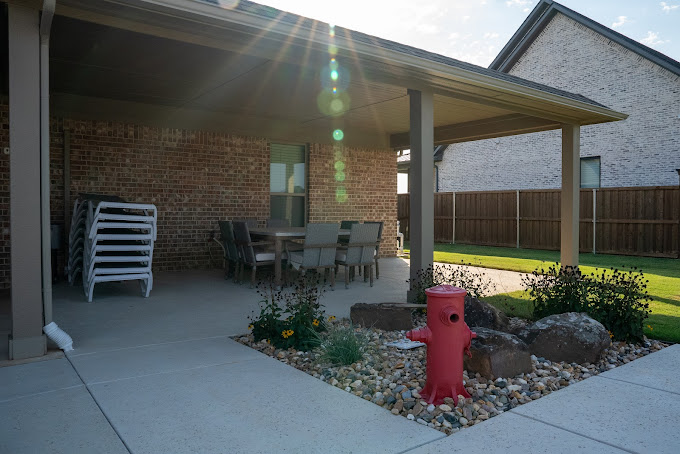
Outdoor living safety tips to prevent patio hazards
If your Sherman, TX patio is getting more use lately, you may have noticed small issues adding up: a gate that does not fully latch, a gap near a walkway, or an uneven surface that feels “off” every time you step out. This guide walks you through practical hazard checks and the outdoor fencing details that help keep patios safer for kids, pets, and guests.
On the surface, patio safety can sound like it is all about furniture placement and lighting. In real life, the hard part is often the boundaries: what your guests can reach, what pets can slip through, and whether gates and perimeter fencing reliably contain the area.
We will cover the quick checks you can do today, the fencing and access points that most often create hazards, and how to plan for safer backyard flow in Sherman and the surrounding North Texas counties Lowery Fence & Patio serves.
- Quick answer
- What to check first
- Main things customers should understand
- Why this matters in Sherman, TX
- Common mistakes to avoid
- Customer checklist
- Frequently asked questions
Quick Answer
If you want fewer patio hazards, start with the boundaries: make sure gates close fully, latches engage every time, and there are no widening gaps near steps, corners, or fence posts. Then check trip points (uneven edges, loose boards, and walkway transitions) and confirm lighting reaches the paths people use at night. If your fence line is old or misaligned, addressing containment first usually reduces the most risk quickly. For a longer-term fix, consider upgrading gate access and perimeter fencing so the patio stays reliably “contained” for kids and pets.
What to Check First
Before you buy anything for the patio, walk the perimeter like you are a guest who does not know the layout. Start at the gate, then follow the fence line to every corner where a person might turn or where a pet could investigate. Look for anything that changes with use, such as a latch that sometimes catches or a gate that drifts open after it gets bumped.
Next, do a slow “step test” along the most-used path from door to patio. Uneven transitions are a common trigger for slips, especially when outdoor surfaces get wet. Finally, confirm that the area behind the gate and along the fence line stays visible and well-lit, so you can spot issues before they become accidents.
Professional observation: Patio hazards often start at the access points. A gate that does not close consistently creates the same safety problem every time, even if the patio itself looks fine.
Main Things Customers Should Understand
When we help homeowners and property managers in Sherman, TX, with fence and outdoor living projects, we see that safety is less about one “big” fix and more about reliable containment plus predictable movement. Below are the factors that most often matter for patio safety and everyday use.
1) Gate closure and latching reliability
Gates should swing freely without dragging and latch with enough consistency that busy family members and guests can operate them correctly. If the gate sags or binds, the latch may not engage fully, which can leave unintended openings.
For households that want tighter control, planning for gate solutions is often where safety improvements start.
2) Gap control along fence lines
Even small openings near fence posts, corners, or where the patio meets the yard can matter for pets and small children. Over time, soil movement and settling can change alignment, so the “same” spot may become a new hazard after a season.
If your fence line is showing misalignment, focusing on the fence type and structure helps you plan the right repair path, whether it is chain link fencing or another material.
3) Surface transitions and walkable edges
Trip and slip risks often come from changes in height at steps, landing edges, and transitions between patio and pathways. A fence can improve containment, but it cannot prevent someone from mis-stepping.
When you are evaluating patio safety, combine boundary checks with a quick “route walk” to confirm that the most-used path feels stable.
Why This Matters in Sherman, TX
In Sherman and the surrounding North Texas counties, weather swings and seasonal use patterns change how people interact with outdoor spaces. When the patio becomes a daily hangout in warmer months, gate traffic increases and small alignment issues become obvious. It is also common for fences to take on strain at corners and near gate openings, where repeated use adds stress.
One firsthand-style thing we notice during on-site assessments is how “almost safe” setups fail under real use. A gate that is technically closed can still be unsafe if it latches intermittently. A fence section that looks fine from the driveway might have a gap that is only visible when you crouch near the ground. Those details are exactly what we look for when helping with fencing and outdoor living improvements.
Safety focus: prioritize consistent gate operation and gap control first, then refine lighting and trip points so the patio route is predictable for everyone.
| What you are seeing | Why it can become a hazard | Practical next step |
|---|---|---|
| Gate does not close the same way every time | People may assume it is latched, especially during busy backyard routines | Inspect hinges and latch engagement during normal use, then plan gate-focused updates |
| Visible widening gaps near fence posts or corners | Pets and small children can find openings even when the patio looks enclosed | Check alignment along the fence line and address the specific fencing section |
| Uneven patio edge or walkway transition | Wet conditions increase slip risk, and edges become trip points | Re-check the route you use most often and address surface transition issues |
| Fence line that looks worn or weathered | Wear can change structural stability and containment over time | Plan maintenance or material-specific work such as fence staining where appropriate |
Middle CTA: Make your patio boundaries safer
If your gate or fence line is creating “almost contained” moments, Lowery Fence & Patio can help you evaluate the setup and decide what to adjust first in Sherman, TX.
Call Lowery Fence & PatioCommon Mistakes to Avoid
Most patio safety issues do not come from ignoring safety completely. They come from small, understandable decisions that look fine until real use reveals the risk. Here are the mistakes we see most often.
- Assuming a closed gate is always latched: if the latch engagement is inconsistent, the gate can reopen after normal movement.
- Only checking the fence from one angle: gaps and misalignment are often easiest to spot near corners and at ground level.
- Focusing on the patio but forgetting the route: people trip at transitions between the patio and the path they actually walk every day.
- Choosing a temporary setup for permanent traffic: if your goal is ongoing patio use, temporary security fencing is usually not the right long-term boundary.
- Waiting until the problem is obvious: by the time a gate is visibly sagging, you may have already lost containment reliability.
Customer Checklist
Use this quick checklist during a weekend walk-through. It is designed to help you catch the patio hazards that most often relate to boundary control and everyday movement.

- Open and close every gate at normal speed and confirm it latches fully each time.
- Walk the fence line and check corners and post areas for any gaps or openings that change with use.
- Do a “route walk” from the door to the patio and test each step transition for stability.
- Confirm the path and gate area are visible at night so you can spot issues early.
- Inspect any spot where furniture or yard items routinely bump the gate or fence.
- If the fence material is wood, check for weathering that could affect structural stability and containment.
Representative scenario
A Sherman homeowner told us their backyard patio felt “safe enough,” but they still kept finding the side gate slightly open after weekend cookouts. The patio itself was clean and the lighting looked fine. The real issue showed up when we reviewed the access routine: the gate latch did not always engage under normal use, and a nearby fence section had minor alignment changes near a post. Once they addressed the gate reliability and tightened the boundary where the gap was forming, the patio felt enclosed again without changing how guests naturally moved through the yard.
Frequently asked questions
Here are common questions we hear from Sherman, TX homeowners and property managers when they are trying to reduce patio hazards with fencing and outdoor living updates.
How do I tell if my gate is actually safe, not just closed?
Test the gate the way people will use it during everyday routines. Close it normally, then confirm the latch fully engages and the gate does not drift open after a light bump or repeated opening. If the gate hangs, drags, or requires extra force to latch, it is not reliable containment. Addressing the gate mechanics first is usually the most direct safety improvement because it prevents the same issue from repeating every time someone uses the patio access.
What fence issues create the biggest safety risk near patios?
The biggest risk usually comes from boundary inconsistencies. Gaps near fence posts, corners, and gate openings can appear small but still allow pets or small children to slip through. Misalignment can also change over seasons, especially where the ground shifts. A careful ground-level walk along your fence line helps you spot openings that are not obvious from a distance.
Does the type of fencing affect patio safety?
Yes, the material and structure can influence how well containment holds up over time. For example, chain link fencing and other styles can be safer when they remain properly tensioned and aligned, while wood fencing benefits from maintenance that preserves structural integrity. The main goal is reliable containment at the points people access most often, especially gates and the fence sections closest to the patio route.
Can temporary fencing be used to improve patio safety during events?
Temporary fencing can help during short-term situations like events where you need a temporary barrier. If you are looking for ongoing patio safety for everyday use, you usually want a permanent solution designed for consistent gate operation and long-term alignment. If your situation changes seasonally or for specific gatherings, temporary options may still be useful, but they should be planned around how long the boundary needs to last.
What should I maintain seasonally to prevent patio hazards from returning?
Make a simple seasonal check of gates, latch performance, and fence line alignment. Also inspect the patio route for trip points that may develop as surfaces shift or as you rearrange outdoor furniture. If you have wood fencing, maintenance like fence staining can help keep it in better condition for the role it plays in containment.
Final CTA: Get a boundary safety check in Sherman, TX
If you want your patio to feel reliably contained for your household, start by evaluating the gate and the fence line where access happens most. Lowery Fence & Patio can help you identify what to address first so your setup works the way you expect.
Call 903-833-3623
About Lowery Fence & Patio
Lowery Fence & Patio provides fencing and outdoor living solutions for homeowners and businesses around Sherman, TX, including Collin County, Grayson County, Cooke County, and Fannin County. From residential fencing and commercial fencing to gates and outdoor enhancements, our focus is helping customers build safer, more functional outdoor spaces with practical, durable fence systems.