
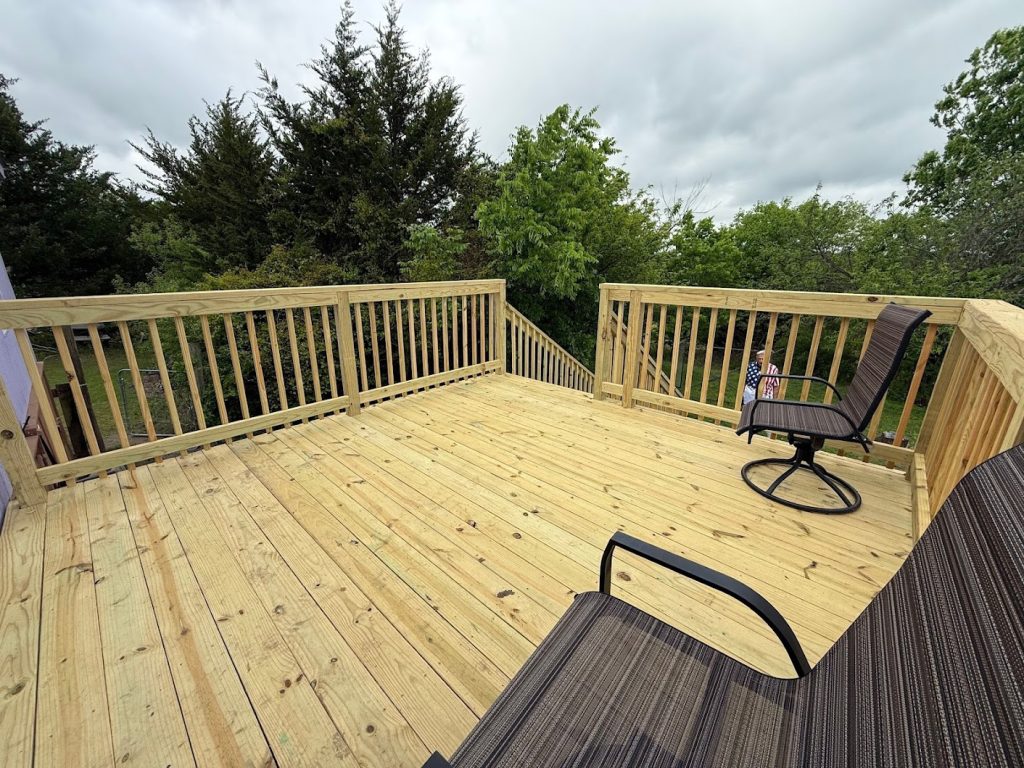
Deck Installation Safety Concerns and Preventing Common Accidents
After a deck or patio goes in, small details can make a big difference in day-to-day safety. If you are in Sherman, TX, you have likely seen how quick weather changes, yard slopes, and kids and pets can turn a “looks fine” moment into a near-miss.
- Quick answer
- What to check first
- Main things customers should understand
- Why this matters in Sherman, TX
- Common mistakes to avoid
- Customer checklist
- Frequently asked questions
Quick Answer
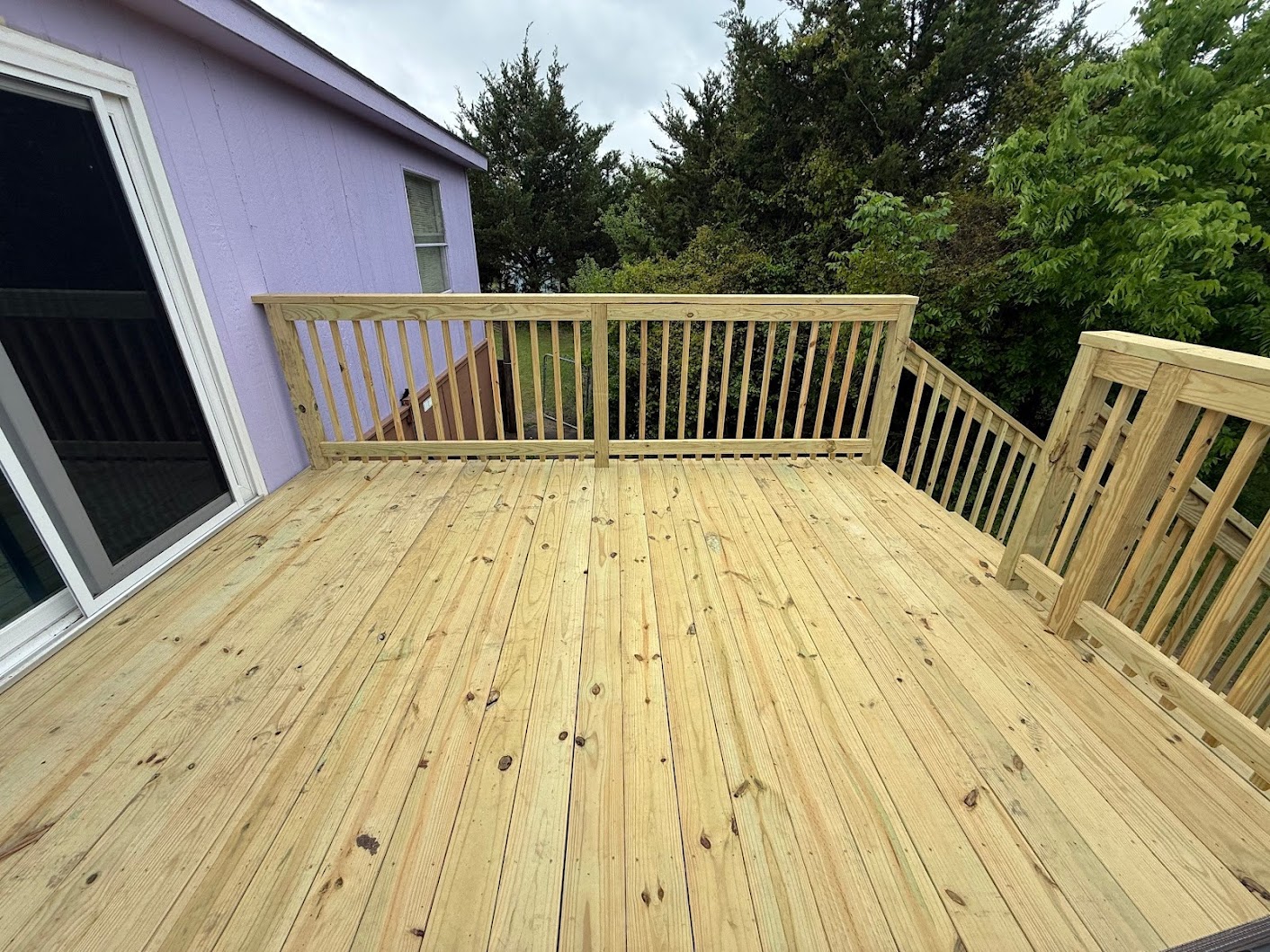
The most common deck-related accidents usually come from guardrail and gate issues: gaps that allow a small child or pet to get through, loose or misaligned hardware, and uneven surfaces that create trips. Start by verifying that any railing system is secure and that gates close fully and smoothly. Then check for trip hazards like uneven boards, exposed fasteners, and poor drainage that can lead to slippery spots. If you are adding or upgrading fencing around the deck, plan the layout and access points so the safety barrier works as intended every time you come and go.
What to Check First
Before you host a cookout on your new deck in Sherman, TX, walk the perimeter and test the safety barrier like a visitor would. Focus on the places where people naturally move: near stairs, around corners, and at any gate that connects the deck area to the yard. If something feels “almost right,” it usually is. Small misalignments can cause latch problems, and latch problems can defeat the whole purpose of the barrier.
Professional observation: The safety barrier is only as strong as its weakest link. In deck projects, that is often the railing-to-post connection, the gate latch, or the transition from deck to yard where uneven ground can change clearances.
Main Things Customers Should Understand
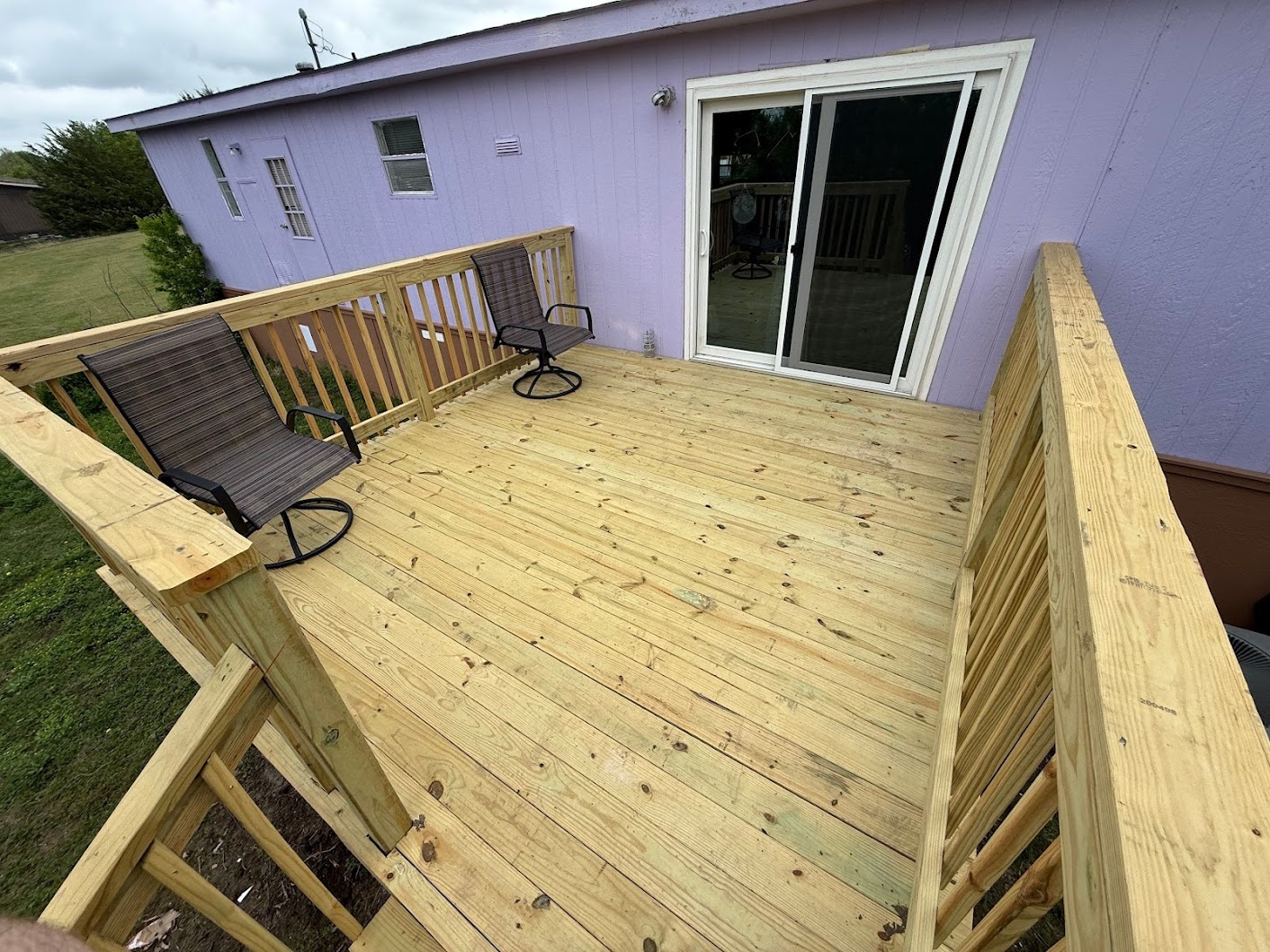
Deck safety is tied to how your deck and fencing work together. Even if your deck framing is solid, the railing and access points determine whether the area is controlled when kids run or a pet darts through. That is why it helps to think in systems: structure, surface, drainage, and access control. When these are planned together, you reduce the odds of preventable falls and unsafe access.
Guardrails and spacing
Check that vertical openings are small enough to prevent a child from slipping through and that railings feel rigid, not wobbly. Pay attention to post spacing and where rails meet the posts, since those connection points see the most stress.
Gate function and closure
If your deck connects to a fenced yard, test the gate in normal use. A gate that does not fully close or latch can turn a controlled deck area into an open pathway.
Walking surface and fasteners
Look for raised edges, uneven boards, and any fasteners that can snag clothing or catch bare feet. In wet weather, small surface problems can become noticeable slip hazards.
Access control systems: what “safe” looks like in practice
Safety is not just about installing a gate. It is about how that gate behaves after a busy day. If your property has driveways, walkways, or multiple entry points, plan the flow so the deck area stays protected. For customers who want convenient entry without sacrificing control, discussing access control systems during planning can help you match the hardware and layout to your everyday routine.
Practical tip: If you are considering fencing upgrades around the deck, pairing the deck layout with the right fence type matters. For example, residential fencing choices often influence gate placement, privacy coverage, and how easily you can maintain consistent clearances.
Why This Matters in Sherman, TX
Sherman weather can swing quickly, and yards are not always perfectly flat. When ground settles or drainage directs water toward the deck, clearances near stairs and gates can shift. That is when latch alignment problems show up, and that is also when surface debris and moisture can make small trip hazards more likely. If you are in Collin County, Grayson County, Cooke County, or Fannin County, the same issue comes up: the deck and any surrounding fencing must be installed with real site conditions in mind, not just a “level on day one” mindset.
| Deck-adjacent need | Common fencing approach | Safety focus during install |
|---|---|---|
| Privacy around entertaining areas | Wood fencing or privacy-style fencing | Consistent post placement and tight panel alignment near gate areas |
| Visibility for monitoring kids/pets | Chain link fence installation | Gate closure reliability and smooth latch operation |
| Decorative barrier with controlled access | Wrought iron fencing | Secure mounting and reliable automatic gate installation components |
| Short-term coverage during construction | Temporary fence panels | Stable anchoring so panels do not shift around walk paths |
Want a safer deck perimeter layout?
Tell us how your deck connects to the yard. We can help you think through fencing and gate placement to reduce gaps, latch issues, and trip points around Sherman, TX.
Contact Lowery Fence & PatioCommon Mistakes to Avoid
A lot of deck safety problems start as install “shortcuts” that seem minor at the time. The most costly ones involve clearances, transitions, and access. If you recognize these patterns early, you can prevent accidents before they become routine.
- Installing a gate that swings freely but does not close and latch consistently
- Leaving uneven transitions near stairs or where deck boards meet other surfaces
- Ignoring drainage so wet spots form where people naturally walk
- Failing to re-check fasteners and rail connections after the first period of use
- Choosing a fence layout without thinking about how people actually move from the deck to the yard
Customer Checklist
Use this quick walk-through to spot safety concerns around your deck area. It is designed for homeowners in Sherman, TX and nearby communities who want practical steps they can take right away.
- Test every gate: open, close, and latch the way you would during normal use
- Check for gaps near railing posts and corners that a small pet or child could slip through
- Walk the perimeter in bare feet or socks to feel raised edges and uneven boards
- Inspect stairs and landings for trip points, loose treads, or uneven edges
- Look for fasteners that are exposed or not flush with the walking surface
- Verify drainage direction and look for areas that stay wet after a rain
- Confirm any temporary fencing is anchored so it does not shift around entry paths
Representative scenario (what we see on real projects)
A homeowner in Sherman, TX had a new deck built and planned to keep kids in the backyard using a gate near the deck entry. A week later, the gate sometimes stayed slightly open after it was pushed shut quickly. The gap seemed small, but it was enough to undermine the safety barrier. The fix was not “more force,” it was aligning the gate operation and ensuring the latch engagement worked reliably with the installed clearance. Once that was corrected, the deck area felt controlled again during normal daily use.
Frequently asked questions
These questions come up often when homeowners are planning deck safety improvements and fence installation around the Sherman, TX area.
How do I tell if a railing system is secure enough?
What is the biggest safety issue with gates near decks?
Can fence material choice affect safety around a deck?
Do temporary fence panels help during construction safety?
Should I address fence maintenance as part of safety?
Ready to reduce deck perimeter accidents?
If you want the deck and fencing to work together safely, Lowery Fence & Patio can help you plan the details that matter: rail-to-post connections, gate placement, and barrier consistency around Sherman, TX.
Call 903-833-3623
About Lowery Fence & Patio
Lowery Fence & Patio provides fencing and outdoor living solutions for homeowners and businesses in Sherman, TX and surrounding areas including Collin County, Grayson County, Cooke County, and Fannin County. Our work focuses on practical installation details and functional access, including residential fencing, commercial fence installation, gates, and related outdoor upgrades.