
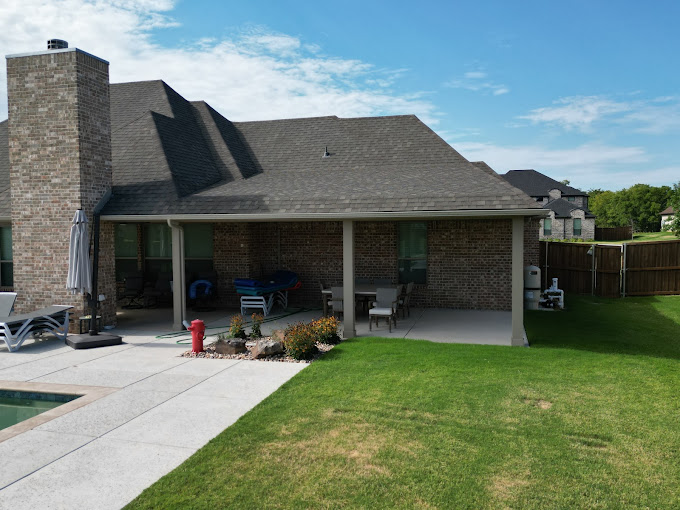
Patio Builder Safety Checks to Prevent Accidents
If your patio or fenced outdoor area feels “mostly fine” but you notice gaps, loose hardware, or a gate that doesn’t close smoothly, you are not alone. In Sherman, TX, weather swings and daily use can make small installation details turn into real safety risks over time.
Picture this: a family member backs out of the driveway, the gate swings a little differently than usual, and the latch doesn’t catch right away. Nothing dramatic happens, but everyone notices how easy it would be for a child or pet to get into a restricted area.
This guide walks you through the safety checks a patio builder should perform around fencing lines, gate hardware, and access control. You will also get a practical checklist you can use before the area is finished, and again after seasonal changes.
- Quick answer
- What to check first
- Main things customers should understand
- Why this matters in Sherman, TX
- Common mistakes to avoid
- Customer checklist
- Frequently asked questions

Quick Answer
The fastest way to prevent accidents is to verify that every access point behaves safely: gates should swing without binding, latches should engage positively, and there should be no dangerous gaps where a child or pet could slip through. For patios, also confirm that hardware is securely fastened and that walkways and fence lines do not create pinch points or trip hazards. If anything feels off, schedule an inspection before you rely on the space daily. A careful review by qualified fence installation professionals in Sherman, TX can catch issues early.
What to Check First
Start with movement and closure. Stand at the gate like you would during a normal day, then open and close it several times. Watch for rubbing along the frame, uneven gaps that change as the gate moves, and latch engagement that feels inconsistent. Even if the gate “usually” works, inconsistent closure is a safety problem, not just a convenience issue.

Professional observation: When patio areas connect to gates, the first failures often show up at the hinge side, the latch side, and the bottom clearance. Those are the places most likely to shift after installation or after ground movement.
Next, scan the fence line for openings. Look for wider-than-expected spacing around posts, near corners, and where fencing meets masonry or other surfaces. Finally, check for pinch points: any spot where a hand, clothing, or small fingers could get caught between moving parts and stationary components.
Main Things Customers Should Understand
Patio builders often focus on the deck surface, cover, or hardscape. Safety, however, depends on the entire boundary system: fencing, gate hardware, and the way people naturally walk through the space. Below are the details that matter most when you want fewer accidents and smoother daily use.
1) Gate hardware that closes reliably
Latches and hinges should be aligned so the gate closes consistently without forcing. If the gate needs a “push” to latch, it can fail during rush moments. For automatic gate setups, the same principle applies: the system should cycle smoothly and confirm closure every time.
2) Clearances and spacing where people pass
Bottom clearance and side spacing affect whether a pet can slip under or a child can squeeze through. When patio construction changes the grade or surface height, those clearances can shift. A builder should re-check fit after the final surface is in place.
3) Firm attachment to prevent wobble
Gates and fence sections should feel solid when tugged gently at safe points. Wobble usually means loose fasteners or misalignment. Over time, repeated use can worsen small looseness into a bigger safety issue.
Why This Matters in Sherman, TX
In Sherman, TX, outdoor living gets real daily use, and that increases the chance that minor installation issues become noticeable. Seasonal conditions can affect how fencing and gate systems settle, and patios often sit right at the connection point between “outdoor entertaining” and “controlled access.” When you build or update your patio and fence together, you reduce the odds of mismatched heights, shifting clearances, and gate behavior changes after the final finish is applied.
Local insight: If you are planning a new patio cover or hardscape near a gate, treat the fence-and-gate area as part of the patio project. That means re-checking alignment after the patio surface and any adjacent work are complete.
| Area to inspect | What “good” looks like | Safety risk if it is off |
|---|---|---|
| Gate hinge side | Smooth swing, consistent clearance | Binding can prevent full closure |
| Latch engagement | Positive lock without extra force | Latch can release during normal use |
| Bottom gap | Matches the intended design for pets/kids | Slip-through access |
| Fence-to-patio transition | No pinch points at joints or edges | Pinch injuries and snagging |
| Walkway and approach | Even footing where people step | Trips near gates and thresholds |
Need a safety-focused fence and patio check?
Lowery Fence & Patio can help you evaluate gate operation, fence line fit, and access points around your Sherman, TX outdoor space. If you want fewer surprises after installation, start with a targeted inspection.
Contact Lowery Fence & PatioCommon Mistakes to Avoid
Most safety issues come from skipping a “behavior test” and focusing only on appearance. Here are common mistakes we see when fences and patio features are installed without enough attention to movement, closure, and daily use.
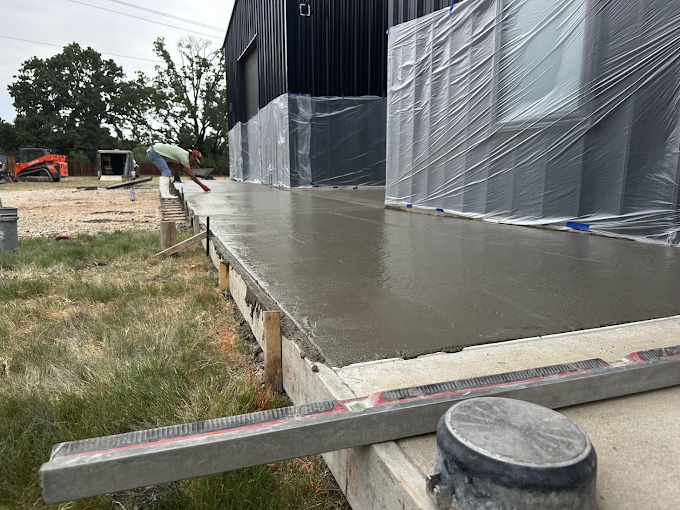
- Assuming the gate will settle into alignment instead of confirming latch and clearance after the final patio surface is complete.
- Ignoring bottom clearance because it looks fine when the gate is closed once. Repeated opening and closing can reveal issues.
- Finishing the patio without re-checking fit at the fence interface, especially if heights changed during hardscape or decking.
- Overlooking pinch points where gate motion meets posts, frames, or nearby structures.
- Choosing fencing without considering access control needs for driveway gate installation, backyard fencing options, or commercial entrances.
Customer Checklist
Use this checklist during construction and again after completion. If you can verify each item, you are significantly reducing the odds of accidents caused by gate behavior, unsafe gaps, or poorly matched fence-and-patio details.
Actionable checklist: Walk the area, operate the gate, and check the fence line in person. Safety is about how the system behaves, not just how it looks.
- Open and close the gate multiple times without forcing it. It should move smoothly and return to the same position each time.
- Confirm the latch engages positively and stays engaged during normal handling.
- Check the hinge side and latch side for rubbing, uneven gaps, or shifting alignment.
- Verify bottom clearance and spacing are appropriate for your household (pets, children, and traffic patterns).
- Inspect fence-to-patio joints for pinch points, snag hazards, or sharp edges where people pass.
- Test the approach path near the gate for uneven surfaces and trip risks.
- If you have a gate system for access control, verify the intended operation matches how you actually use the space.
Representative Scenario
A homeowner near Sherman, TX had a new patio built and noticed the driveway gate started closing differently after the final landscaping and surface work. The latch still “caught” sometimes, but it did not always engage when the gate was opened quickly. Instead of assuming it would improve, they arranged a review focused on hinge alignment, latch engagement, and clearance at the bottom edge. After adjustments to ensure consistent closure and safer fit, the gate behaved the same way every time, which reduced the risk of an accidental open access point during daily traffic.
Frequently asked questions
If you are planning a patio project that connects to fencing or gates, these are the questions most customers ask first. The answers below focus on practical safety checks you can expect during a proper inspection.
How do I know whether my gate problem is alignment or hardware?
Should patio construction change my fence or gate clearance?
What safety checks matter most for kids or pets?
Can fencing material affect safety checks?
What should a builder verify for driveway gate installation?
Ready for a safety-focused inspection in Sherman, TX?
If your gate, fence line, or patio access points do not feel perfectly reliable, address it now while adjustments are straightforward. Lowery Fence & Patio can help you review the details that prevent accidents around outdoor living spaces.
Call 903-833-3623Related service pages
For customers planning fencing and outdoor living improvements, these pages can help you narrow down what fits your project and what to ask about during a safety review: gates, concrete services, custom patio covers, and arbors & pergolas.

About Lowery Fence & Patio
Lowery Fence & Patio provides fencing and outdoor living solutions for customers in Sherman, TX and surrounding areas including Collin County, Grayson County, Cooke County, and Fannin County. Their focus is on practical, reliable fence installation and related outdoor improvements, with a safety-first mindset for gates, access points, and the way people use the space every day.