
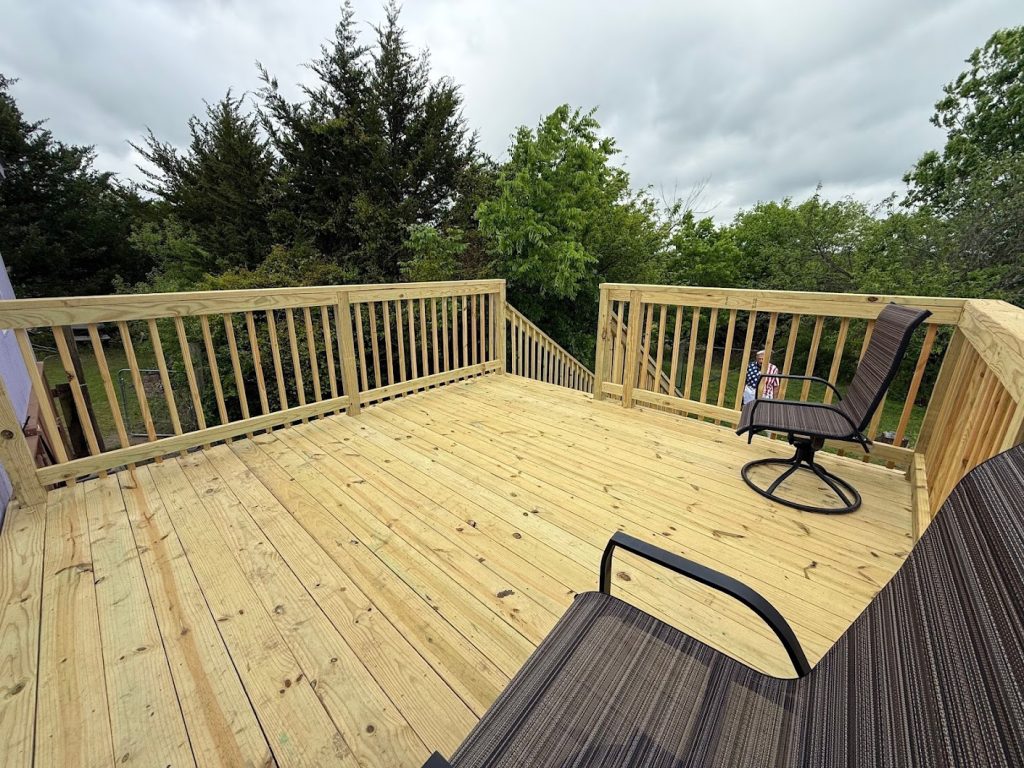
How Often Deck Installation Needs Maintenance and Care
If your deck in Sherman, TX is starting to look tired, feel rough underfoot, or show early signs of cupping and discoloration, you are not alone. Maintenance timing is the difference between “manageable upkeep” and “expensive repairs.” This guide helps you understand what to watch for, how often to check, and how to keep your deck looking good through changing seasons.
After a deck installation, most homeowners have a simple question: how often should I maintain it? The answer depends on the material, the sun exposure, and how water drains off your deck in North Texas weather.
Lowery Fence & Patio sees the same pattern across Sherman and nearby communities: issues usually start small, like faded boards or stubborn dirt in the grooves, then progress when they are ignored. The good news is you can catch most problems early with a simple care routine.
- Quick answer
- What to check first
- Main things customers should understand
- Why this matters in Sherman, TX
- Common mistakes to avoid
- Customer checklist
- Frequently asked questions
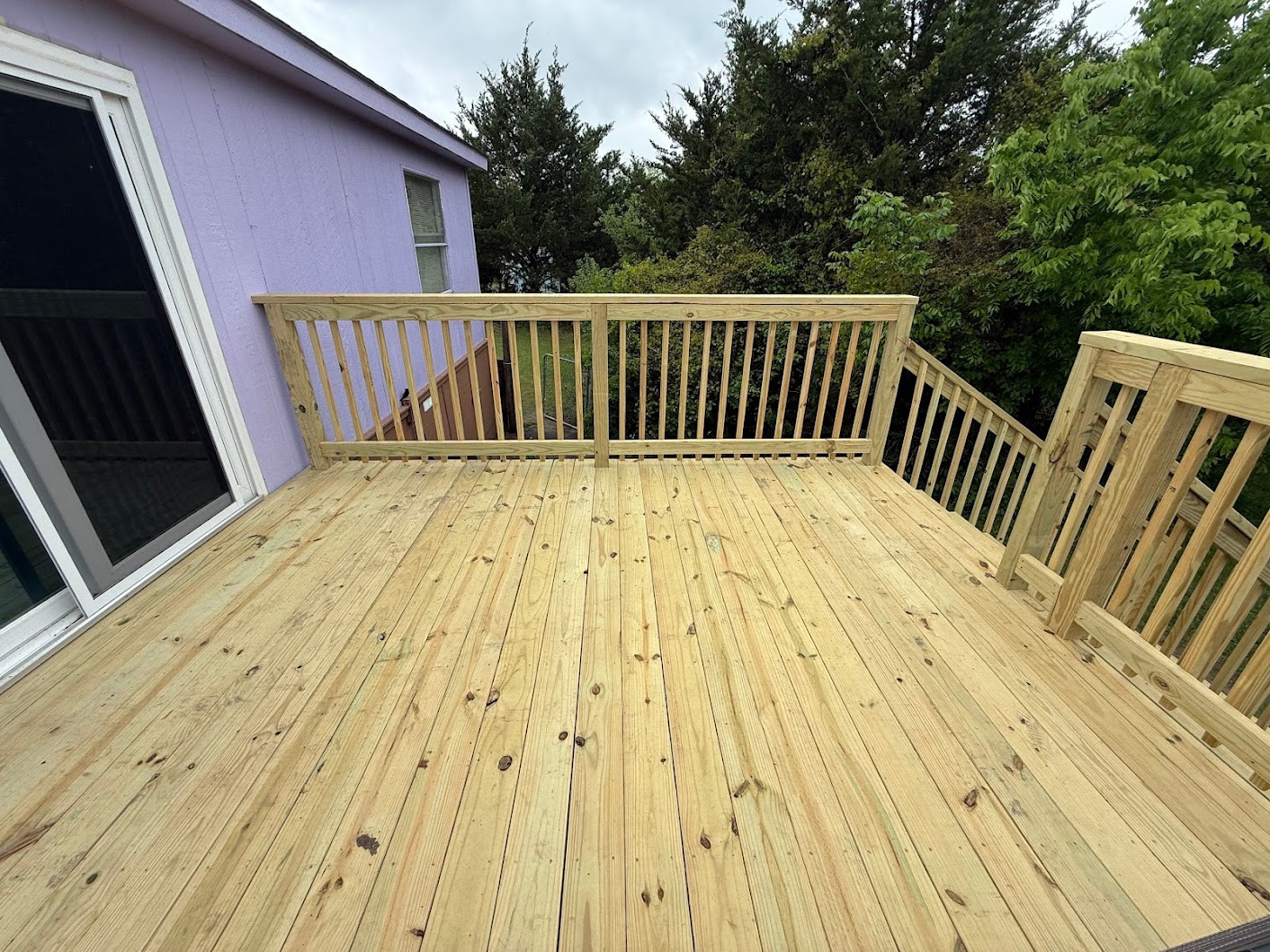
Quick Answer
Most decks need routine care several times per year, plus a deeper clean and protection step on a schedule that depends on material and exposure. In general, plan on seasonal inspections (spring and fall), light cleaning as needed, and stain or seal maintenance when the surface starts to look dull, dry, or uneven. If you notice loose boards, persistent discoloration, or water pooling, adjust the timing and address the cause, not just the appearance. A practical recommendation is to start with a careful visual check and then follow the right care method for your deck material.
What to Check First
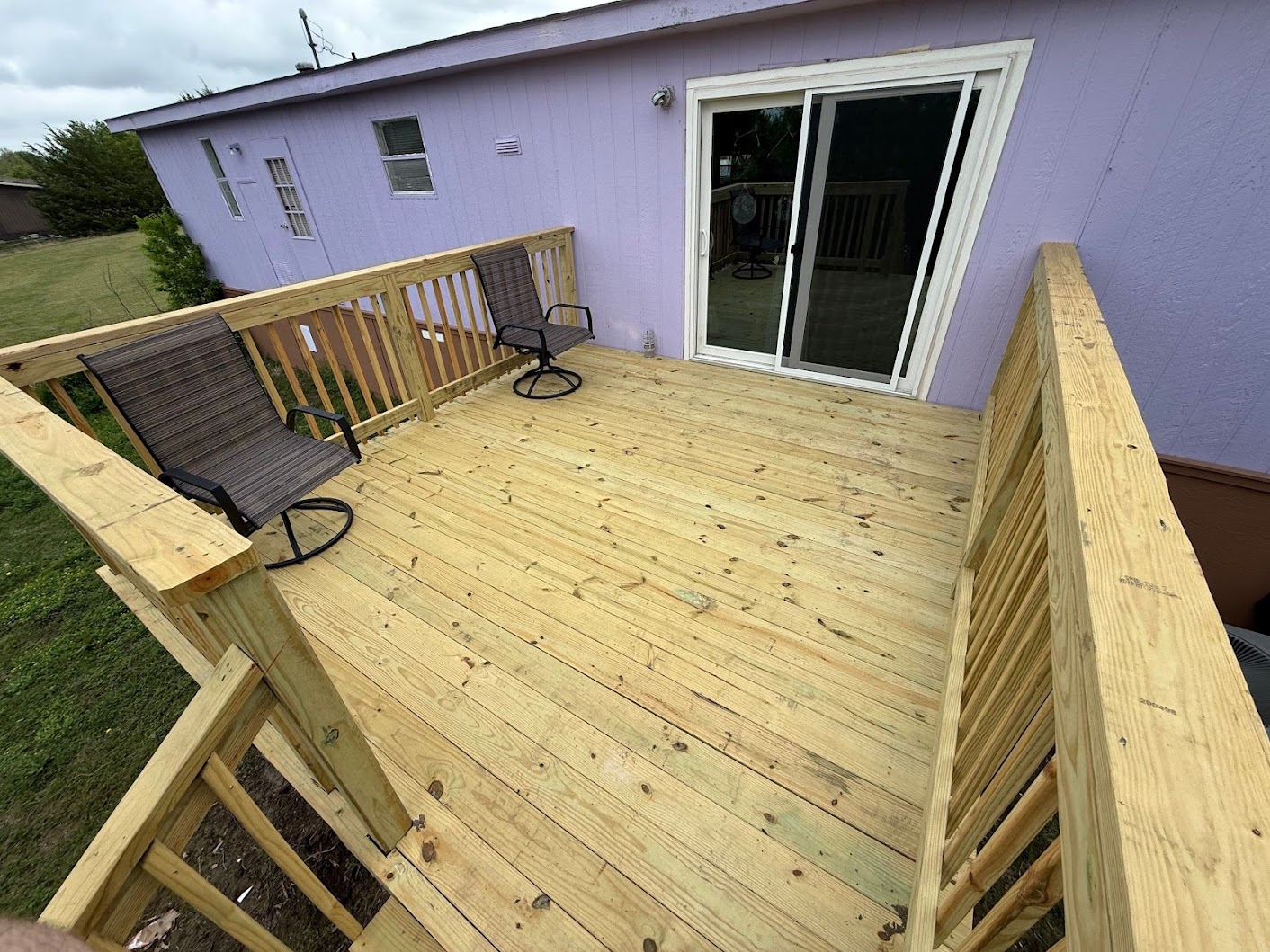
Before you decide how often to clean or stain, confirm what kind of deck you have and what problems are already present. Start by scanning for three common red flags: soft or spongy wood, fast-spreading discoloration, and areas where water seems to sit after rain. Then check the edges and fasteners because those spots usually show wear first.
- Look for lifting boards, gaps that keep widening, or railing posts that feel loose.
- Check for mildew or dark streaks in shaded areas and near downspouts.
- Feel the surface for roughness, splinters, or “sand-like” wear.
- Inspect the underside clearance so airflow is not blocked.
- Confirm drainage: water should not pool directly on the deck boards.
Main Things Customers Should Understand
Deck maintenance frequency is not random. It changes with sun exposure, moisture, foot traffic, and your deck’s material. In Sherman, TX, the combination of humid stretches and strong sun can cause finishes to age unevenly, especially on boards that get direct afternoon light. The goal is to keep the deck’s surface protected and to prevent water from becoming trapped in the wood fibers or on the surface.
Wood decks
Wood typically needs more frequent protection to maintain a consistent finish. When you see fading, drying, or a patchy look, that is usually your cue to clean and reapply stain or sealant based on the product you used previously.
Decks with heavy shade
Shaded areas often develop mildew first. Even if the rest of the deck looks fine, shaded sections can require more frequent cleaning to keep algae and mildew from taking hold.
High-traffic decks
Where people walk daily, finishes wear down faster. Plan to re-check those zones sooner than the rest of the deck, especially at stairs and along primary walking paths.
Professional observation: The most common “deck maintenance problem” is not that homeowners wait too long to clean. It is that they keep cleaning without fixing the moisture pattern. If water is pooling or airflow is blocked, the surface will keep aging faster even with good intentions.
| Deck condition you notice | What it usually means | How to adjust your care timing |
|---|---|---|
| Surface looks dull or uneven | Finish is aging and protection is weakening. | Plan a cleaning and protection step sooner than your normal interval. |
| Dark streaks in shaded areas | Moisture-driven mildew or algae growth. | Increase cleaning frequency for shaded zones and improve drainage if needed. |
| Slight roughness or splinters | Wood fibers are drying and wearing down. | Reapply appropriate protection after cleaning, and inspect nearby boards for early damage. |
| Water pools after rain | Drainage slope or spacing may be off. | Address the cause. Maintenance alone will not fully solve pooling. |
Why This Matters in Sherman, TX
In Sherman, TX, homeowners often balance long outdoor seasons with unpredictable weather. Strong sun can fade finishes, while humid stretches can encourage mildew in shaded corners. You will usually get the best results by inspecting your deck when seasons change, and then responding to what you see rather than following a one-size schedule.
Local insight: If your deck connects to a backyard fencing line or sits near outdoor entertaining areas, it often becomes part of your daily “traffic map.” That means foot traffic wears finishes faster, and nearby surfaces collect pollen and dust that can hold moisture against the deck boards.
When you are thinking about keeping your entire outdoor setup in shape, it can help to coordinate your deck care with other outdoor surfaces. If you also maintain gates, rails, or perimeter fencing, the same seasonal habits apply. For related outdoor living projects, you can browse deck building services and plan your maintenance around the deck’s construction details.
Need a maintenance plan that fits your deck?
If you are not sure what to do first, call and describe what you are seeing. We can help you narrow down the right next step for your deck installation in Sherman, TX and surrounding areas.
Call Lowery Fence & PatioCommon Mistakes to Avoid
Deck care gets easier when you avoid the patterns that cause long-term damage. One mistake is using the wrong cleaner or being too aggressive, which can roughen the surface and shorten the life of your finish. Another mistake is waiting until the deck looks bad all over instead of addressing the early signs in specific zones.
- Ignoring pooling water: If water collects on certain boards or near stairs, that is usually the root cause.
- Cleaning without assessing material: Different finishes and deck materials react differently to cleaning methods.
- Skipping edge and fastener checks: Wear often starts at the edges and around hardware.
- Applying protection over mildew: Finishes do not bond the same way to a surface with active growth.
- Forgetting the surrounding outdoor system: Nearby gates, rails, and fence lines can affect airflow and how debris accumulates.
For homeowners who are also dealing with fencing surfaces, the maintenance mindset is similar. If you notice discoloration, buildup, or weathering on wood fencing, you may find it helpful to review fence staining guidance and apply the same “clean first, then protect” approach to your deck.
Customer Checklist
Use this practical routine to stay ahead of deck wear. It is designed to fit real homeowner schedules, with quick checks you can do without special tools.
- Every spring: Inspect for loose boards, railing stability, and early mildew in shaded areas.
- After heavy rain: Look for pooling spots and make sure water drains away from the deck surface.
- Every summer: Sweep away debris and remove leaves that can trap moisture.
- Every fall: Clean built-up grime and check edges, stairs, and fasteners for wear.
- As needed: If the surface feels rough or the finish looks uneven, clean and plan re-protection.
A representative Sherman, TX scenario
Imagine a homeowner in Sherman who installed a wood deck for backyard gatherings. By late summer, the deck looks slightly gray in shaded corners, while the sun-exposed boards look faded but cleaner. After a rainstorm, the homeowner also notices water lingers near the outer edge. The best move is to clean the shaded areas, address the drainage or airflow issue causing the pooling, and then reapply protection based on the deck’s existing finish. This prevents the mildew pattern from spreading and helps the entire deck age more evenly.
If your outdoor setup also includes gate access or perimeter fencing, it can be worth keeping your access surfaces aligned with your maintenance schedule. You can review gate options and installation when planning updates to match your deck and patio workflow.
Frequently asked questions
How often should I clean a newly installed deck?
For most decks, light cleaning as needed works best. Sweep off debris regularly and rinse or clean when you see buildup from pollen, dirt, or shaded-area grime. Then use seasonal inspections to decide whether a deeper clean is needed in spring or fall. If mildew shows up quickly in shaded corners, clean those zones more often than the rest of the deck.
When is it time to stain or seal again?
Use the deck’s surface condition as your guide. If the finish looks dull, dry, or uneven, or if the deck starts to feel rough underfoot, it is a good time to clean and plan re-protection. Pooling water and persistent discoloration can also be signals that the deck needs attention sooner, especially in areas that stay damp after rain.
Can I pressure wash my deck?
You can, but it is not always the safest first move. Deck surfaces can be damaged by overly aggressive cleaning, and the wrong approach can shorten the life of your finish. If you are unsure, start with gentle cleaning methods and focus on removing mildew and grime without gouging the surface. If the deck has active mildew, clean in a way that lets the surface fully recover before any protection step.
What should I check if the deck boards start to cup or warp?
Cupping or warping often ties back to moisture and drying patterns. Check drainage, spacing, and areas where water lingers after rain. Then inspect fasteners and edges, since those areas tend to show early movement. If the deck is already showing structural concerns, it is worth having a professional evaluate it so the care plan addresses the cause, not just the symptoms.
Does deck maintenance change if I have a patio cover or outdoor kitchen nearby?
Yes, nearby outdoor features can change how water and debris collect on the deck. For example, patio covers can create more shaded areas where mildew develops, while outdoor cooking areas can add grease residue that needs different cleaning. Keep your inspections focused on the zones that see the most moisture and traffic, and adjust cleaning frequency based on what you observe.
Ready to protect your deck investment?
If you want help deciding the right maintenance approach for your deck installation, Lowery Fence & Patio can point you in the right direction for your Sherman, TX property. We also support broader outdoor living projects like custom patio covers.
Schedule on Our Website
About Lowery Fence & Patio
Lowery Fence & Patio provides fencing and outdoor living solutions for homeowners and businesses in Sherman, TX and surrounding areas including Collin County, Grayson County, Cooke County, and Fannin County. From residential fencing to commercial fence installation and outdoor upgrades, we focus on practical, durable results that fit real property needs.