
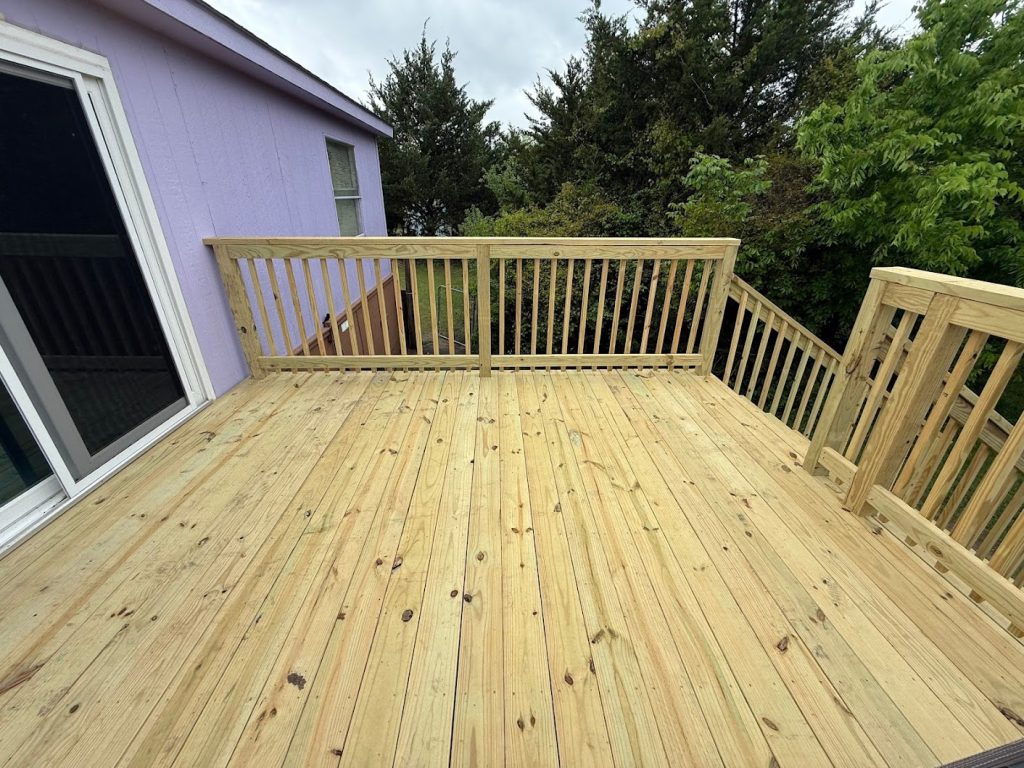
How Often Deck Installation Requires Maintenance Aftercare
If your new deck in Sherman, TX looks great at first but you are already seeing dull boards, loose hardware, or water pooling after rain, you are not alone. Aftercare is the difference between a deck that stays inviting and one that slowly shifts out of alignment.
- Quick answer
- What to check first
- Main things customers should understand
- Why this matters in Sherman, TX
- Common mistakes to avoid
- Customer checklist
- Frequently asked questions
Quick Answer
Most decks need light aftercare right away and then a predictable maintenance rhythm. Plan on rinsing and debris removal as-needed (often monthly during peak outdoor seasons) and doing a deeper inspection a few times per year for loose fasteners, lifting boards, and water drainage. For wood surfaces, expect staining or sealing to be revisited on a schedule that matches sun exposure and how your deck weathers. A practical approach is to check in after storms and seasonal transitions, then tackle issues early before they spread.
What to Check First
After installation, the fastest way to protect your deck is to verify the basics while everything is still easy to adjust. Start by looking for movement where boards meet joists, especially near stairs, rail posts, and any sections close to downspouts. Next, check for water behavior: where does rainwater land and how quickly does it dry? If you see consistent pooling, the deck can age faster at those points.
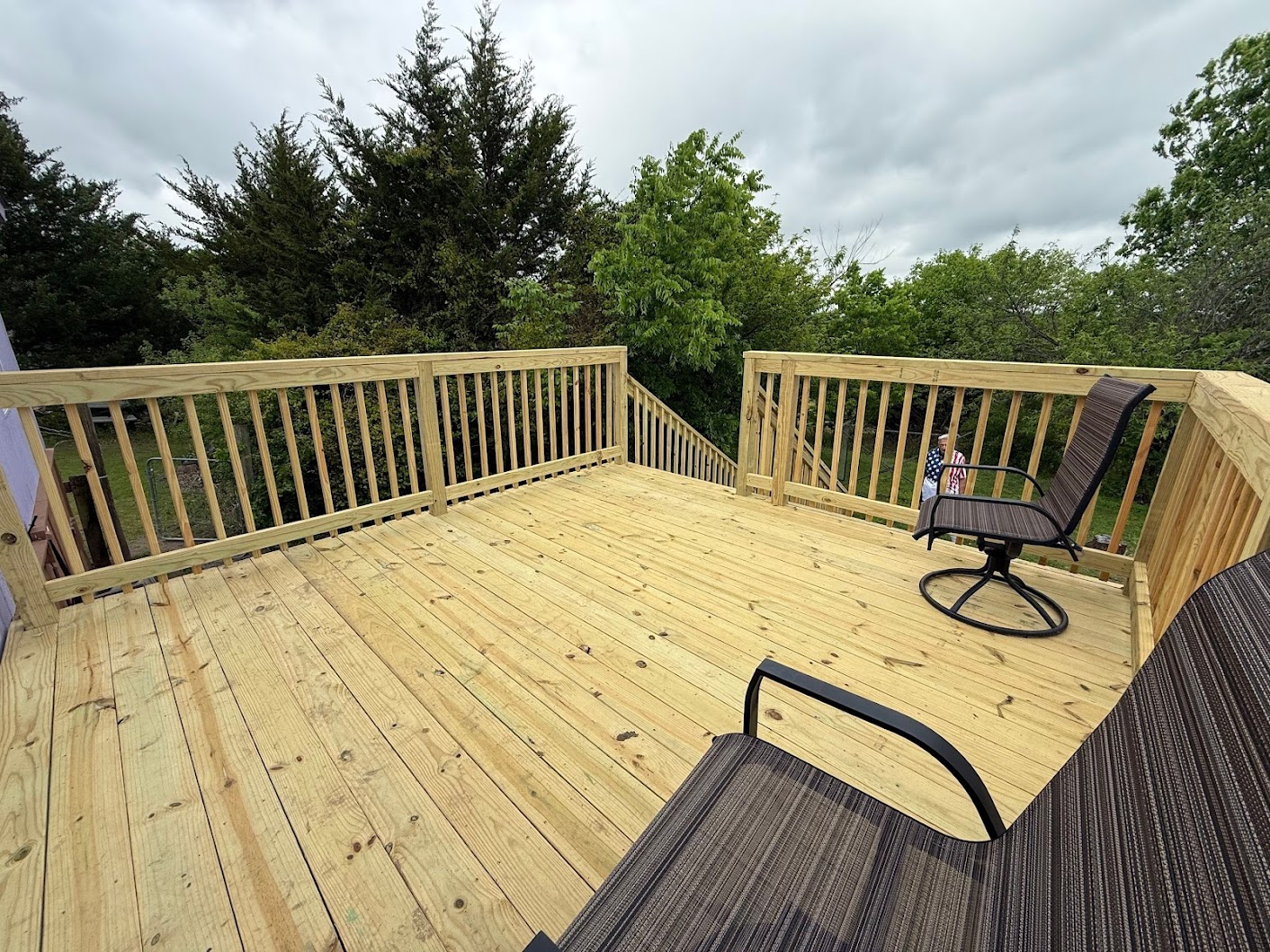
Fasteners and stability
Feel for spongy spots, listen for squeaks, and scan for protruding screws or nails that may have worked loose.
Surface finish
Look for faded areas, rough grain, or spots where the finish seems thin. Those are usually the first places to re-address.
Drainage and airflow
Confirm that water can escape and that the underside is not trapped by debris or landscaping contact.
Main Things Customers Should Understand
Deck aftercare does not follow a single universal calendar because the wear drivers vary by materials, layout, and exposure. In Sherman, TX, decks often see strong sun cycles and heavy rain events, which means moisture management and surface protection matter as much as cleaning.
Professional observation: The most common “maintenance” that turns into a bigger project later is ignored small movement. A board that lifts slightly today can become a tripping risk and a drainage problem after a few more storms.
Here are the factors that typically determine how often you will need aftercare after deck installation:
- Material type and surface finish: Wood decks generally need periodic staining or sealing updates, while other surface types may still require cleaning and inspection for hardware and water exposure.
- Sun and shade patterns: Decks that sit in full afternoon sun often fade and dry unevenly, so finish wear can be faster on the hottest boards.
- Rain exposure and drainage routes: If water repeatedly lands in the same spots, that area will demand more attention to prevent accelerated weathering.
- Traffic and use: High-traffic areas near doors and railings wear faster, and that is where you are most likely to notice looseness or finish thinning first.
- Nearby landscaping and debris: Leaves, mulch, and stored items can trap moisture and limit airflow under the deck.
Local habit that helps: After big rain days, do a quick visual walk-through. In Sherman, TX, that “post-storm check” catches pooling, slippery residue, and early finish breakdown before it becomes a seasonal problem.
If you are also thinking about outdoor upgrades, deck aftercare often pairs naturally with other outdoor living systems. For example, a more protected outdoor space can reduce how quickly surfaces fade. If you want ideas that work with your layout, you can explore custom patio covers that help manage sun exposure and rain runoff.
Why This Matters in Sherman, TX
Sherman weather can swing between intense sun and heavy rain, which puts stress on outdoor surfaces and fasteners. In practice, that means your deck finish can dry, expand, and then re-wet repeatedly, and the hardware has to handle those cycles. Regular aftercare is how you stay ahead of the common issues we see locally: finish wear that turns into rough texture, and drainage that leaves certain boards damp longer than the rest.
| What you notice | What it usually means | What to do next |
|---|---|---|
| Boards feel loose or move underfoot | Fasteners may have worked loose or the structure shifted slightly | Inspect support points and address fasteners promptly to avoid further movement |
| Water pools in the same areas after rain | Drainage and grading are not clearing water quickly | Remove debris and evaluate where water lands; consider a layout or finish adjustment |
| Finish looks thin or worn in high-sun spots | UV exposure is breaking down the surface protection | Plan a re-coat or re-stain for the affected areas, not just the “worst-looking” boards |
| Dark streaks or slippery feel | Organic growth or residue buildup from moisture | Clean appropriately and improve drying time by keeping the deck clear and dry |
Want a maintenance plan that fits your deck?
Lowery Fence & Patio can help you sort out what aftercare is needed now and what can wait. If you are in Sherman, TX or nearby areas, call to discuss your deck and outdoor living goals.
Call Lowery Fence & PatioCommon Mistakes to Avoid
Most deck problems do not start with a big failure. They start with small choices that make aftercare harder later. One of the biggest mistakes is waiting until the finish is gone everywhere before addressing it. By then, moisture can get into the surface and you may be dealing with more than just cosmetic fading.
- Skipping inspections after storms: If water pooling or board movement is happening, it is better to catch it right after the event.
- Using the wrong cleaning approach: Aggressive cleaning methods can damage surfaces or interfere with how a stain or sealant bonds later.
- Letting debris trap moisture: Leaves and mulch contact can keep areas damp and accelerate finish breakdown.
- Ignoring fastener issues: Loose hardware can turn a minor adjustment into structural concerns.
- Assuming one season equals all conditions: In Sherman, TX, the deck can behave differently in sun-heavy months versus wet stretches.
Customer Checklist
Use this quick checklist after installation and then as a repeating routine. It is designed to keep you on top of the maintenance items that usually matter most for deck longevity and safe use.
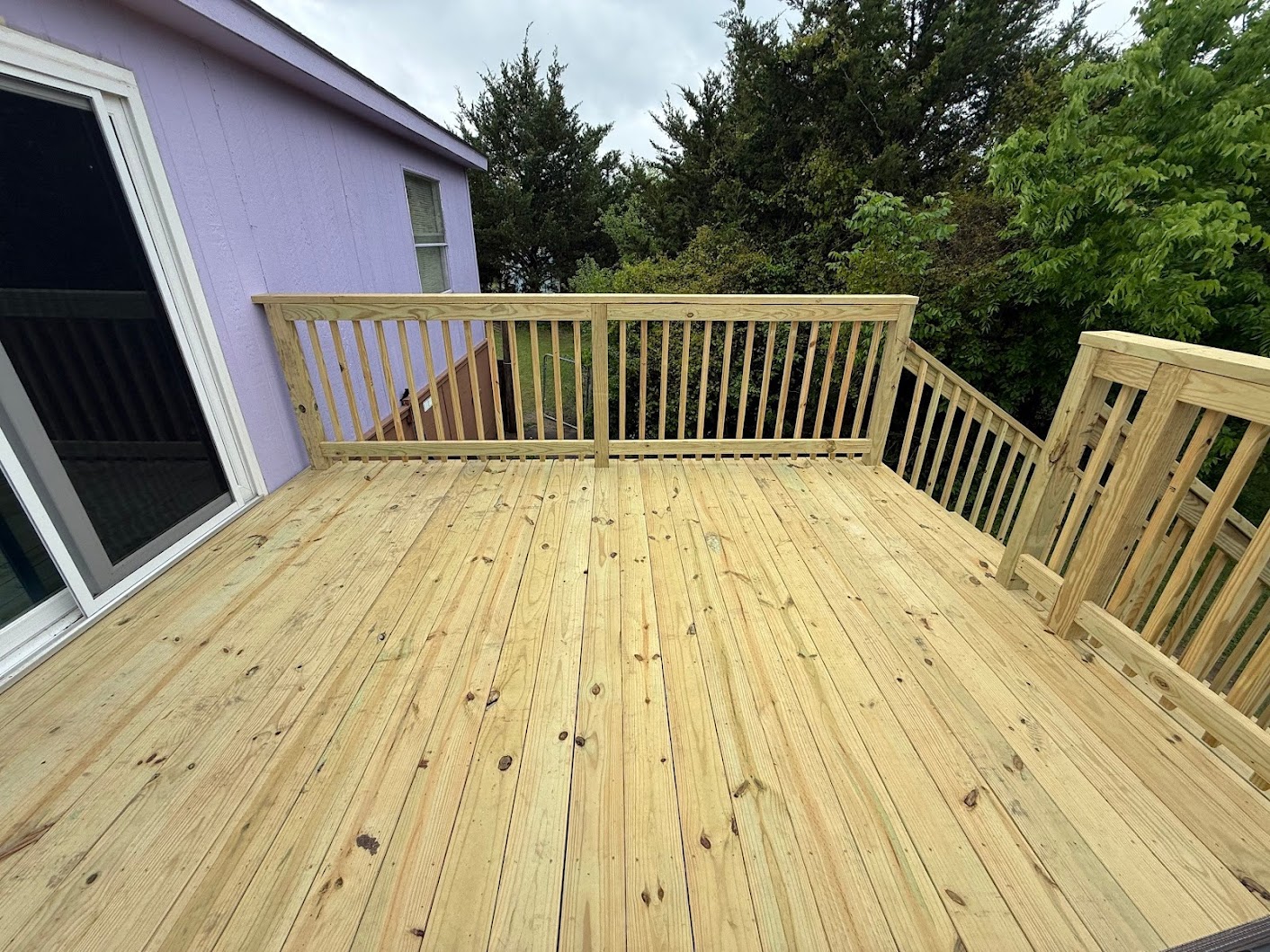
- Walk the deck and check for any movement, squeaks, or soft spots.
- Scan stairs, rail posts, and edges for loose hardware or gaps.
- Look for water pooling after rain and confirm runoff paths.
- Clear leaves, debris, and stored items that trap moisture.
- Inspect the finish for thinning, rough texture, or uneven fading.
- Confirm that landscaping and ground contact are not holding moisture against the deck.
- Plan your next deeper check around seasonal transitions (not only when there is a problem).
Representative Scenario: What Happens Over the First Year
A homeowner in Sherman, TX tells us their new deck looks great during the first few weeks, then after several rain days they notice certain boards feel rougher and look darker near the same edge. They also hear occasional squeaks near the walkway. In many cases, that pattern points to localized moisture exposure and early finish wear rather than a complete “failure.” The practical aftercare step is to inspect the affected zones, address any loose fasteners, and then plan surface protection for the areas that are taking the most weather load.
Frequently Asked Questions
How soon after deck installation should I start aftercare?
You can start with simple, low-risk aftercare right away: keep the surface clear of debris, avoid unnecessary standing water, and do a quick stability check after the first few rain events. For finish-related steps, follow the guidance used during your installation so you do not interfere with how the surface settles and performs.
Is deck maintenance different in Sherman, TX compared to other areas?
The main difference is how the deck cycles through sun and rain. That can speed up finish wear and increase the chance of localized moisture pooling. Because of that, many homeowners benefit from a post-storm visual inspection and a more frequent check during the hottest and wettest parts of the year.
How do I know whether I need cleaning or staining first?
Start with what you see. If the deck looks worn, faded, or rough while the fasteners and structure seem stable, that points toward finish protection. If you notice residue, streaking, or a slippery feel, cleaning is often the first step. If you are unsure, focus on safety and stability first, then match the surface step to what the deck is actually showing.
Can a deck need maintenance even if it looks “fine”?
Yes. A deck can look acceptable while small issues are building underneath or at joints. Loose fasteners, early drainage problems, and finish thinning in high-sun spots may not be obvious from a distance. That is why a quick walk-through for movement and a brief look at water behavior after rain can catch issues early.
What should I do if I notice board movement or squeaking?
Do not ignore it. Board movement can indicate a fastener or support issue that tends to worsen with repeated loading and moisture cycles. Start by checking the edges, stairs, and rail areas, then plan an inspection so the problem is corrected before it affects drainage or safety.
Ready to protect your deck after installation?
For homeowners and property managers in Sherman, TX and nearby counties, Lowery Fence & Patio can help you plan aftercare that matches how your deck is actually performing.
Explore deck-building support
About Lowery Fence & Patio
Lowery Fence & Patio is a local fencing and outdoor living company serving Sherman, TX and nearby areas including Collin County, Grayson County, Cooke County, and Fannin County. From fencing and gates to deck-related outdoor upgrades, we help customers plan practical systems and aftercare that keep outdoor spaces looking good and working well.