
Outdoor living patio maintenance schedule and upkeep tips
If your patio cover, deck, or outdoor living area has started to feel “almost right” instead of comfortable, the fix is usually routine upkeep. This schedule helps you catch small issues early, protect materials, and keep your backyard looking clean and functional through the seasons.
You finally get the patio ready for guests, and within a few weeks you notice the little stuff: water pooling near the edge, a door or latch that feels sticky, loose fasteners, or a fence section that looks slightly off. In Sherman, TX, those problems tend to show up fast because outdoor materials see big swings between heat, humidity, and storms.
The frustrating part is that most patio and outdoor living wear happens quietly. By the time something fails, it can trigger bigger repairs across the surrounding structure, including gates, railings, and connected fence systems.
This guide gives you a simple maintenance schedule, what to check first, and what to avoid, so you can keep your patio area in dependable shape without guesswork.
- Quick answer
- What to check first
- Main things customers should understand
- Why this matters in Sherman, TX
- Common mistakes to avoid
- Customer checklist
- Frequently asked questions
Quick Answer
Use a seasonal patio maintenance routine: inspect for loose hardware and drainage issues every month during peak outdoor use, then do a deeper clean and reseal or touch-up work at least twice a year. Start by checking where water collects, then verify that covers, railings, and gates operate smoothly. If you have wood fencing or stained surfaces, prioritize cleaning and fence stain timing before sun and rain break down the finish. When you catch problems early, upkeep is usually simpler and less expensive than waiting for visible damage.
What to Check First
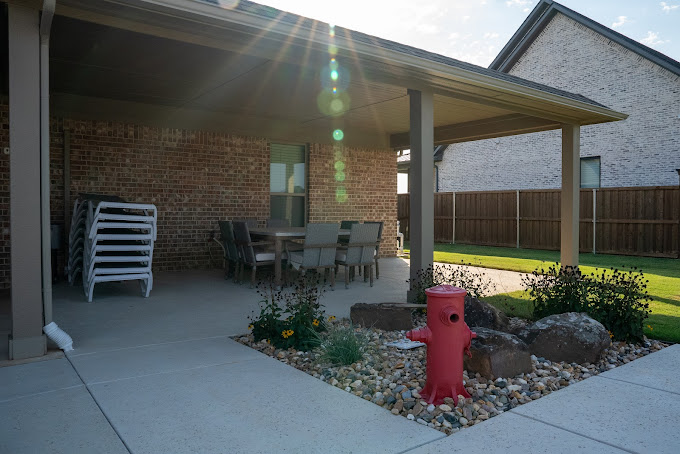
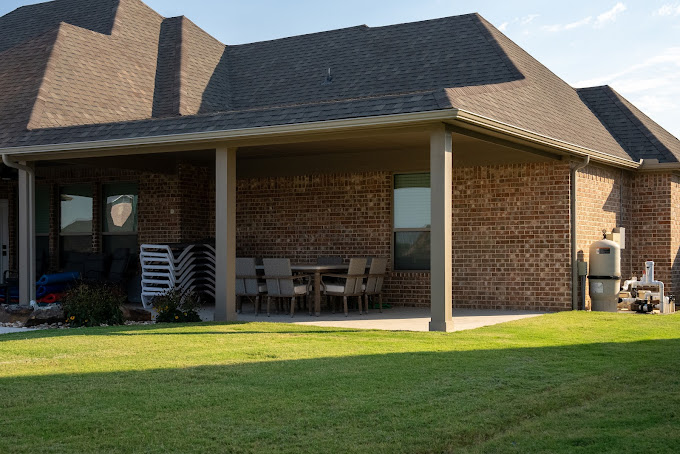
Before you scrub anything, walk the perimeter of your patio and outdoor living area. Look for standing water, soft spots, rust at fasteners, and any movement at corners or attachment points. Then test the “touch points” that people use every day: gate latches, swing gates, hinges, and any access hardware connected to the patio.
- Drainage: confirm water flows away from the patio and doesn’t linger near seams or thresholds
- Hardware: check for loose screws, wobbly posts, and rusty or stiff hinges
- Surface condition: identify peeling coatings, fading finishes, and areas that look darker after rain
- Water paths: clear debris from edges so runoff doesn’t redirect under covers
- Connected systems: inspect gates and nearby fencing because small shifts can change alignment
Professional observation: Most “patio problems” are actually drainage and hardware problems first, with finish wear following later. When you fix water flow and alignment early, everything lasts longer.
Main Things Customers Should Understand
A good patio maintenance schedule has three goals: keep water moving correctly, protect surfaces from breakdown, and make sure gates and connected outdoor elements keep operating smoothly. If you treat upkeep like a checklist, you avoid the cycle of cleaning only after damage appears.
1) Keep drainage working
Pooling water accelerates surface breakdown and can loosen attachment points. After rain, check edges, corners, and the lines where patio sections meet other structures.
2) Protect finishes
Sun and weather break down protective layers over time. If you have a wood fence or stained surfaces near your patio, plan cleaning and fence stain timing so water cannot soak in.
For wood-focused upkeep, you can review fence stain and staining services to understand the process and what to look for.
3) Maintain access and movement
If your patio area connects to gates, alignment matters. Small shifts can make a gate drag or a latch feel uneven, which can lead to bigger repairs later.
When you need gate-related help, start with gate installation and maintenance options.
| Season / Timing | What to do | What to watch for |
|---|---|---|
| Monthly during heavy use | Quick walk-through, tighten visible hardware, clear debris from edges, and test gates and latches. | Stiff hinges, misaligned latches, rust spots, and water lingering after storms. |
| Spring | Deep clean the patio surface, sweep out cracks and seams, and check drainage paths after winter conditions. | Peeling coatings, discoloration from moisture, and pooling near transitions. |
| Early summer | Inspect wood surfaces and stained areas, confirm cover attachments, and address any finish wear before peak sun exposure. | Fading, rough texture, and water absorption around edges. |
| Fall | Clear leaves and debris, check gutters and roofline runoff if you have a patio cover, and make sure water cannot redirect under structures. | Blocked runoff paths, loose fasteners, and areas that stay damp. |
| Winter readiness (as needed) | Focus on secure hardware, protect vulnerable wood surfaces, and plan repairs for the next dry stretch. | Cracked finishes, loose components, and any spots that already show moisture damage. |
Local insight: In Sherman, TX, storms can dump a lot of water quickly, and outdoor living spaces take the hit at the seam lines. Prioritize edges, drainage, and attached hardware after big weather events.
Why This Matters in Sherman, TX
In Sherman, TX, homeowners often connect patio comfort to the surrounding outdoor layout. That might mean a wood or ornamental fence line, a gate near the driveway, or a patio cover that channels runoff in a specific direction. When water flow or alignment is off, the problem does not stay “just on the patio.” It can affect fence sections, gate operation, and the way surfaces cure and dry after storms.
If your patio connects to fencing, it helps to think in systems. For example, if you are evaluating privacy options or planning a refresh nearby, you may also want to consider the finish type and upkeep needs of your chosen materials. You can explore residential fencing choices to align your patio area with the right material and maintenance expectations.
Common Mistakes to Avoid
Most patio upkeep problems come from skipping early checks or using the wrong approach for the material. Avoid these common mistakes so your maintenance schedule stays effective instead of repetitive.
1) Waiting until something fails
A gate that drags today can become a misalignment repair later. Address sticky latches and loose hardware as soon as you notice them.
2) Cleaning without checking drainage
If water keeps pooling, you can clean as often as you want and still see the same finish breakdown. Always evaluate where runoff goes after storms.
3) Treating all materials the same
Wood, concrete, and metal hardware respond differently to cleaning and sealing. Match your approach to the materials you have around the patio area.
Practical recommendation: If you have wood fencing or stained surfaces near your patio, plan your fence stain and fence cleaning timing so finish work happens when you can let surfaces dry properly and water exposure is minimized afterward.
Customer Checklist
Use this quick checklist before you host, after major storms, or at the start of each season. It is designed for real homeowners and property managers who want a dependable routine without spending hours guessing.
- Walk the perimeter: confirm water does not pool at edges, corners, or under patio transitions
- Test movement: open and close gates and check latches for smooth operation
- Inspect attachment points: look for loosened fasteners on covers, rails, and nearby structures
- Spot-check finishes: look for peeling, fading, or rough areas that appear darker after rain
- Clear runoff paths: remove debris so water cannot redirect under the patio area
- Plan next steps: note anything that needs repair or professional maintenance before it spreads
Representative Scenario
A Sherman, TX homeowner had a patio that looked great, but after heavy rain the area near the fence line stayed damp for days. The gate began to drag slightly, and the latch started to feel uneven. On inspection, the drainage path had shifted, and a few attachment points near the connected fence line were slightly loose. After correcting water flow and tightening hardware, the fence and gate alignment improved, and the patio surfaces dried more consistently.
Need help with patio-connected fencing or gate upkeep?
Lowery Fence & Patio can help you evaluate the outdoor setup around your patio, including gates and fencing that affect alignment and maintenance.
Contact Lowery Fence & PatioFrequently asked questions
Here are practical answers to common questions homeowners ask when planning an outdoor living maintenance schedule for patio areas and connected fencing.
How often should I check patio drainage and outdoor hardware?
What should I do first if a gate near the patio starts dragging?
How does fence stain timing affect patio areas?
Can cleaning alone fix patio discoloration?
Do you serve areas beyond Sherman, TX?
Schedule an outdoor maintenance check
If your patio, fence line, or gates are showing early signs of wear, a quick evaluation can help you choose the right next step and avoid bigger repairs later.
Call 903-833-3623
About Lowery Fence & Patio
Lowery Fence & Patio provides fencing and outdoor living support for customers in Sherman, TX and nearby areas. From residential and commercial fencing to gate-related solutions and outdoor upgrades, the goal is to help you keep your property looking good and functioning well through the seasons.