
Safe Fence Installation Tips to Prevent Accidents Outdoors
If your yard feels “almost right” but you are still worried about gaps, unstable posts, or gates that do not close smoothly, you are not alone. In Sherman, TX, outdoor spaces get used hard, and a fence that looks fine from the street should still be checked for everyday safety.
Picture this: kids run to the backyard, a pet trots through the gate, and someone brushes a sharp edge on a railing or trips over an uneven section. Most fence problems start small, like a gate latch that sits too low or posts that were not aligned properly. Over time, those issues can turn into injuries you can avoid.
This guide walks you through the practical safety checks that matter most during fence installation and right after. You will also see the common mistakes we watch for around driveways, walk gates, and privacy fence lines in Sherman, TX.
- Quick answer
- What to check first
- Main things customers should understand
- Why this matters in Sherman, TX
- Common mistakes to avoid
- Customer checklist
- Frequently asked questions
Quick Answer
The safest fence installs come down to three things: stable posts, safe gate operation, and controlled gaps. During installation, verify that posts are properly set and that the fence line is level and plumb, then test every gate to confirm smooth movement and secure latching. After installation, inspect for sharp edges, pinch points, and openings that could let children or pets slip through. A practical next step is to schedule a walkthrough with your installer and ask for a gate-by-gate safety check before you start regular daily use.
What to Check First
Start with the places where accidents usually happen: gates, corners, and areas near foot traffic or driveways. If a gate binds, a latch does not catch cleanly, or a hinge area looks misaligned, that is the fastest path to pinched fingers or a door that swings unexpectedly. Next, scan the fence line for uneven height, missing hardware, or small gaps near the ground that can turn into a “shortcut” for pets or small kids.
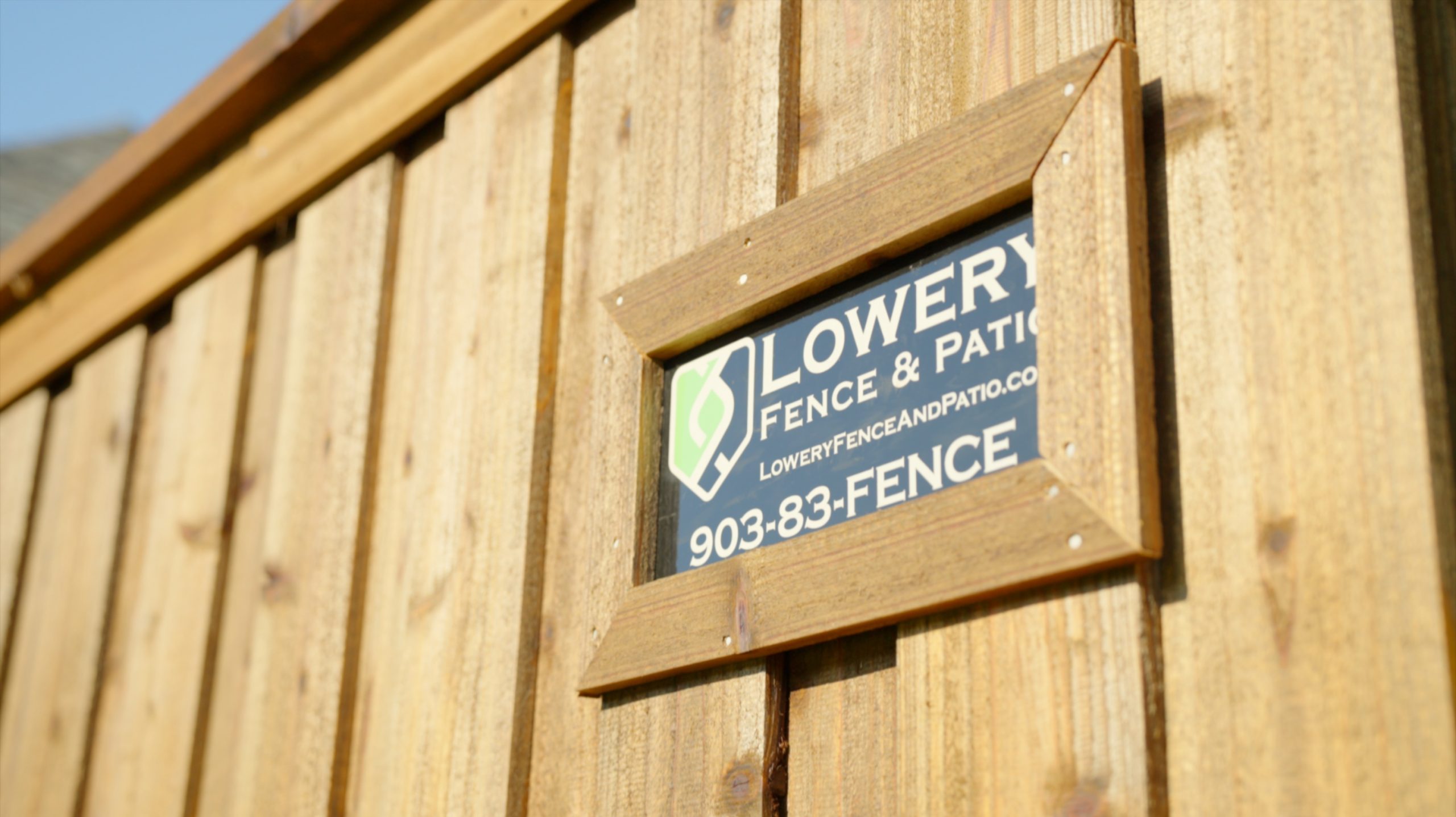
Professional observation: The biggest safety wins often happen before the final hardware goes on. When posts are set correctly and the gate frame is aligned from the start, you avoid most pinch-point and gap problems later.
Gate clearance
Confirm the gate opens and closes without dragging. Check for pinch points around the latch and hinge side.
Post stability
Look for straight, secure posts and consistent spacing. A wobbly post usually means the risk is not finished.
Gap control
Inspect the bottom rail area and corner transitions for openings that allow slipping or climbing.
Main Things Customers Should Understand
Fence safety is not just about “looks” or visibility. It is about how the fence behaves over time in Sherman, TX weather and daily use. Wind can shift lightweight components, routine slamming can loosen fasteners, and freeze-thaw cycles can expose installation flaws at the ground line. When the fence and gate are installed with correct alignment and sturdy mounting, you reduce the chances of sharp edges, loose sections, and gates that do not latch properly.
Key idea: Safety is engineered. A fence that is built for privacy, security, or access control should also be built to prevent finger traps, sudden gate swing, and unsafe climbing opportunities.
Choose the right fence system for your safety goals
Different fence styles create different safety outcomes. For example, privacy fencing can reduce line-of-sight and limit access points, while ornamental or wrought iron often emphasizes visibility and perimeter definition. If your priority is backyard privacy, explore residential fencing options that fit your yard layout and daily routines.
Pay special attention to gate hardware and access control
Gates are the most interactive part of a fence system. Make sure the gate swings freely, does not sag, and latches securely every time. If your property needs an added layer of access control, ask about access control systems and whether your gate setup can support the kind of operation you want. For many homeowners and property managers, a clean, consistent automatic gate setup is safer than a gate that is “almost” aligned.
Plan for common outdoor contact points
Walkways, driveways, and backyard entry points get the most contact. When fences meet a driveway gate or a corner turn, check transitions for protruding hardware and sharp edges. If you are installing or updating a gate near a vehicle approach, you also want to confirm the gate opens fully without hitting walls or landscaping and stays stable when used repeatedly.
| Fence or feature | Safety focus during installation | What to test after install |
|---|---|---|
| Chain link fencing | Edge caps, tight tension, and secure fittings to reduce sharp contact | Check for snag points and confirm the bottom line is uniform |
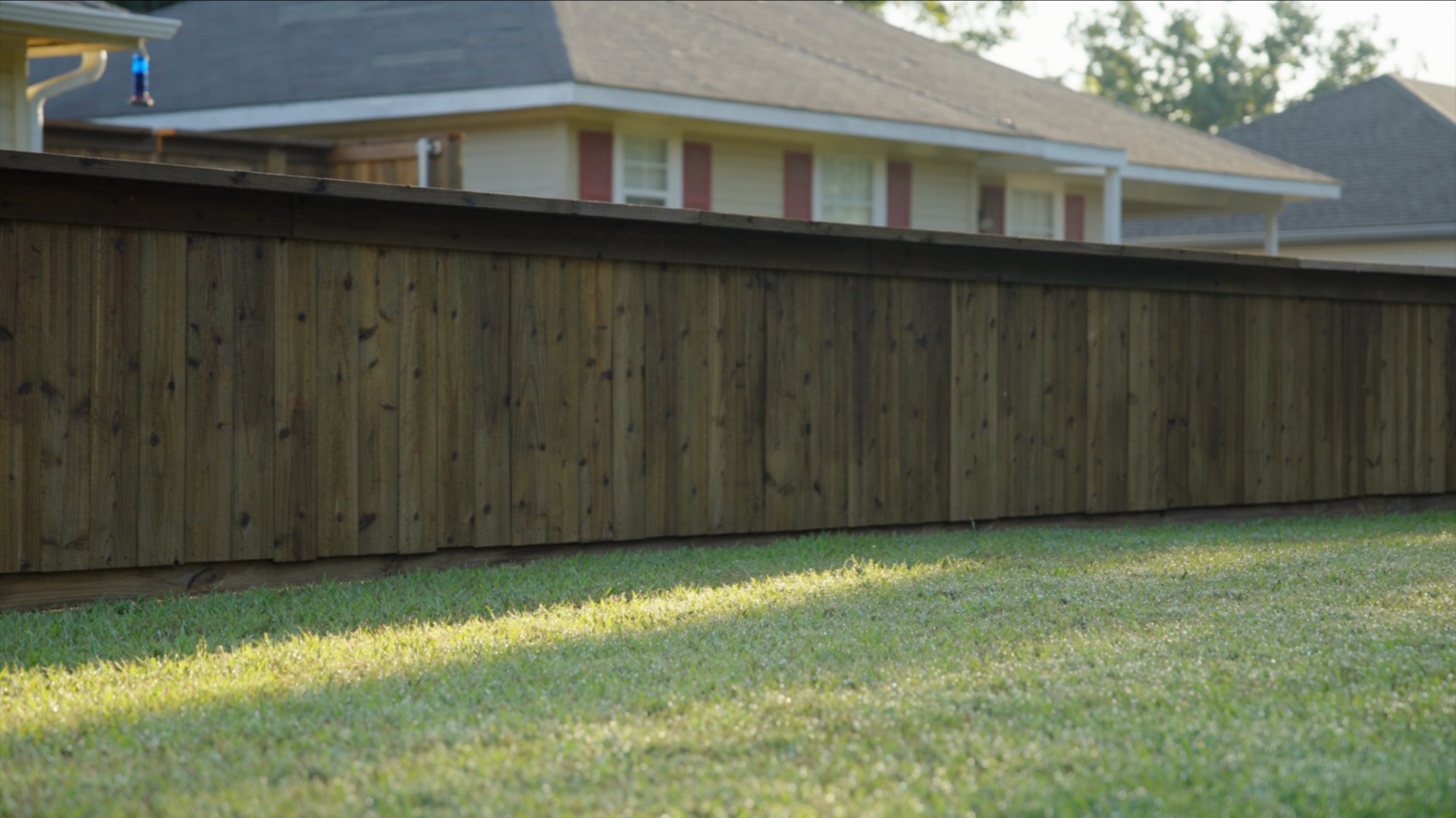
| Wood fencing | Proper post alignment and smooth tops to avoid splinter-prone edges | Inspect fence tops and any exposed fasteners |
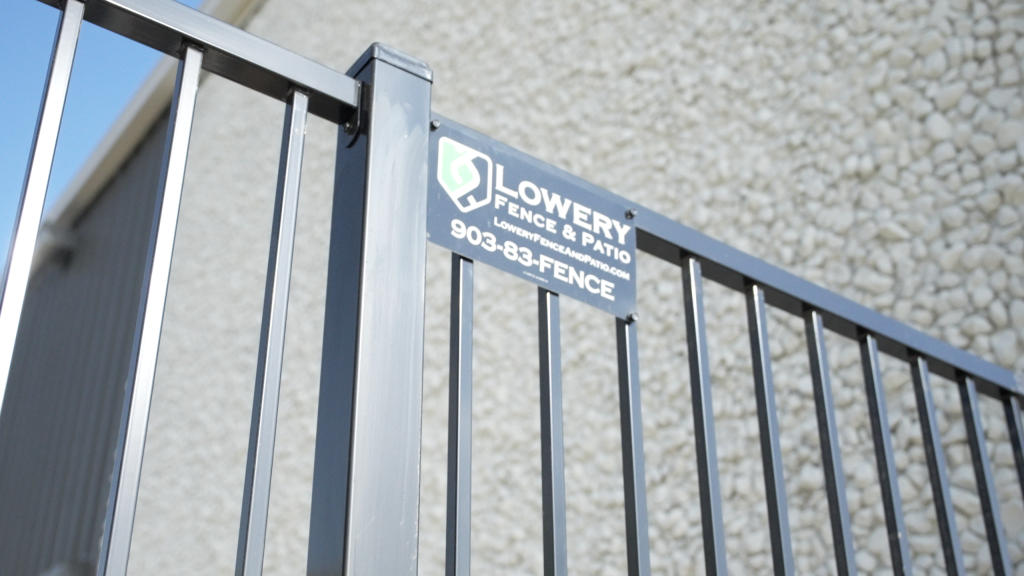
| Wrought iron fencing | Consistent spacing and secure mounting to prevent loose sections | Gently test movement at sections and confirm stable gate operation |
| Gates (driveway and walk) | Hinge alignment, latch height, and clearance to prevent pinching | Open/close repeatedly and verify latch engages every time |
Why This Matters in Sherman, TX
In Sherman, TX, homeowners and businesses use outdoor spaces year-round, and properties often blend older sections with newer upgrades. That means one misaligned section can create a “break” in safety, especially where fencing changes direction near a driveway or where a gate connects to a yard path. A careful installer will set posts for stability, align fence runs so gates do not sag, and verify that the bottom and corner areas do not create unwanted access points for children and pets.
If you are working through a full perimeter update, it helps to think in systems. For example, patio covers and outdoor living builds can shift how people move through the space, which changes where gates should be placed and how fence lines should meet walkways.
Common Mistakes to Avoid
Most fence-related accidents come from predictable installation shortcuts. The good news is you can catch these issues during a walkthrough and avoid rework later.
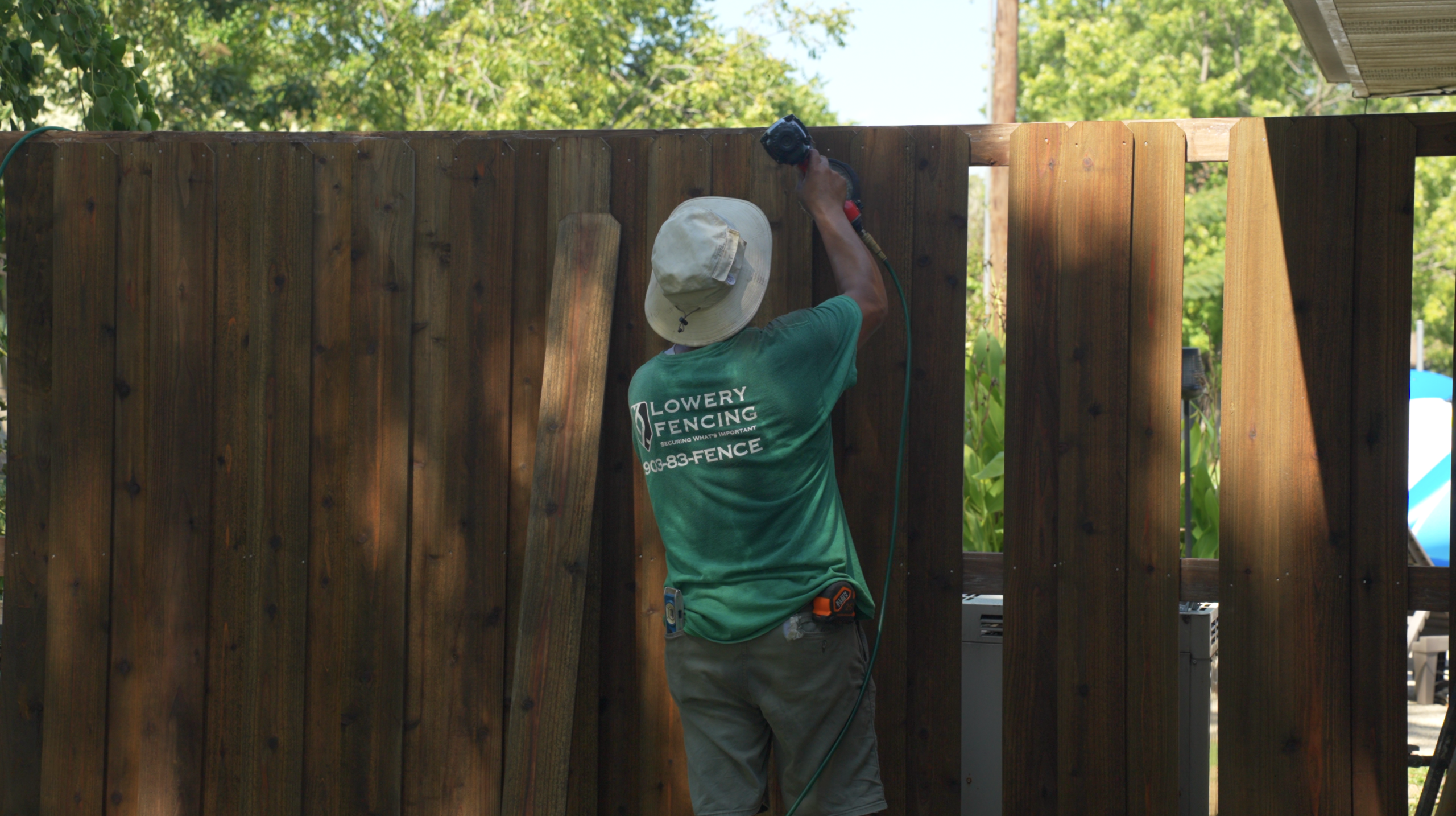
- Skipping a gate alignment test before the final hardware is tightened, which can lead to a gate that pinches or fails to latch.
- Leaving uneven gaps near the ground that let pets or small children slip through.
- Overlooking sharp hardware around corners, fence tops, and gate latch points.
- Not accounting for driveway transitions, where gates can hit adjacent surfaces or swing unpredictably.
- Assuming “it will settle” instead of ensuring stable post placement and firm mounting from the start.
Customer Checklist
Use this checklist during your installation walkthrough and again after the first full day of use. If anything here feels unclear, ask your installer to demonstrate the fix while they are still on site.
Practical recommendation: Take a short video of each gate opening and closing. If you see hesitation, rubbing, or uneven latch engagement, that is a safety issue worth correcting immediately.
- Posts: Fence posts feel solid and the fence line stays straight along corners and turns.
- Gate swing: Gate opens without dragging and closes without slamming or bouncing.
- Latch security: Latch catches cleanly every time, and the latch height is safe for daily use.
- Pinch points: No visible pinch-risk gaps at hinges, latch areas, or where the gate meets the frame.
- Edge safety: Fence tops and edges do not present snagging or sharp contact points.
- Bottom clearance: Ground gaps are controlled, especially along privacy lines and entry points.
Representative Scenario
A Sherman homeowner recently had a new backyard fence line installed and noticed the walk gate would not always latch on the first close. The fence looked straight from the street, but the latch side was slightly out of alignment, creating a small pinch point and inconsistent engagement. After a quick on-site adjustment to alignment and hardware fit, the gate operated smoothly, and the latch caught reliably, reducing both the frustration and the safety risk during everyday use.
Frequently asked questions
Here are common questions homeowners and property managers ask when they want a safer fence installation and fewer day-to-day surprises.
How can I tell if my fence installation is “safe enough” for kids and pets?
What should I check around a driveway gate for safety?
Do different fence materials change the safety checklist?
How often should I re-check fence safety after installation?
Can temporary fencing be safer than a permanent fence in some situations?
Need a safety-focused fence walkthrough?
If you are in Sherman, TX and want help verifying gate operation, gap control, and overall fence stability, Lowery Fence & Patio can review your setup and recommend the next best step for safer outdoor use.
Contact Lowery Fence & PatioOr call 903-833-3623.
Final CTA
If you are planning a new fence or upgrading an existing perimeter in Sherman, TX, treat safety as part of the design, not an afterthought. A properly installed fence reduces everyday risks and keeps gates operating the way you expect. When you are ready, talk with a team that does fence installation with an outdoor-living mindset.
Plan your next fence step with confidence
Whether you are comparing residential fence styles or coordinating a gate system, Lowery Fence & Patio can help you choose an approach that fits your property and supports safer daily use.
Explore Residential FencingCall 903-833-3623 for help.

About Lowery Fence & Patio
Lowery Fence & Patio provides fencing and outdoor living services for homeowners and businesses in Sherman, TX and surrounding areas including Collin County, Grayson County, Cooke County, and Fannin County. Their work covers residential fencing, commercial fence installation, gates, and outdoor upgrades designed to support everyday comfort, access, and safety.