
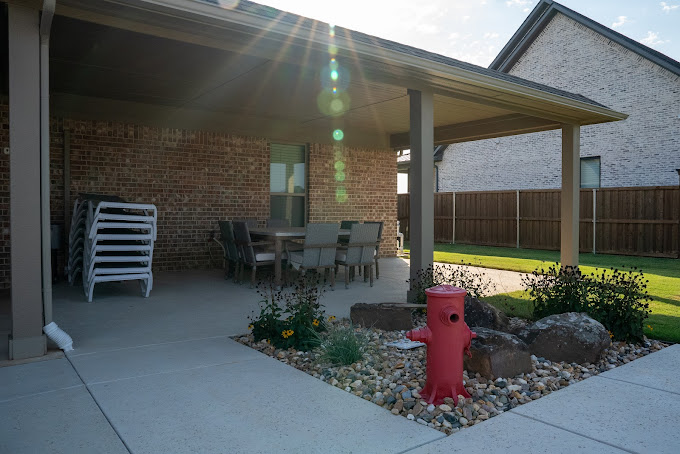
How Often Should Outdoor Living Patios Be Maintained?
If your Sherman, TX patio is starting to look a little dull, feel rough underfoot, or show early signs of wear around the edges, you are not alone. Outdoor living surfaces take a beating from sun, rain, and daily use. This guide helps you set a realistic maintenance rhythm for patios and patio-related features like covers, drainage areas, and adjoining fencing.
A lot of homeowners in Sherman notice the same pattern: the patio looks great at the start of the season, then the surface slowly changes. Maybe it is mildew on concrete, a faded finish on wood, or rust spots where metal meets moisture.
The tricky part is that “maintenance” is not one single task. It can include cleaning, sealing or staining, checking drainage, and keeping surrounding fencing and gate areas from trapping water against the patio. Below, you will find a clear schedule you can follow and what to inspect each time.
- Quick answer
- What to check first
- Main things customers should understand
- Why this matters in Sherman, TX
- Common mistakes to avoid
- Customer checklist
- Frequently asked questions
Quick Answer
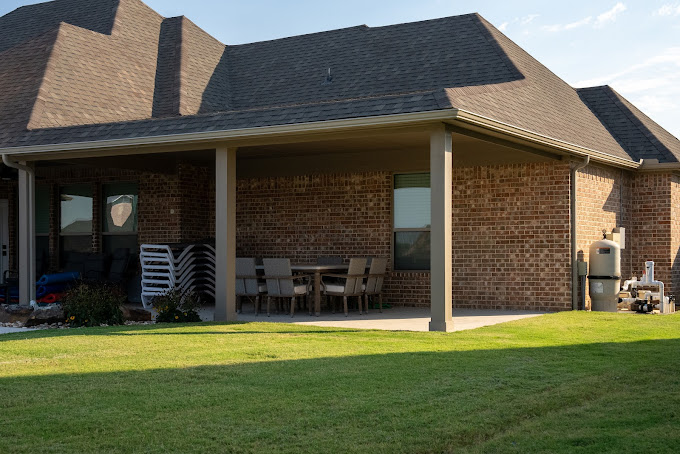
Most outdoor living patios should get a light cleaning and visual inspection at least 2 times per year, with extra attention after heavy rain. If your patio includes wood surfaces, staining and sealing typically need more frequent upkeep than concrete alone. For stone or pavers, the focus is usually on keeping joints clean and preventing water from pooling near edges. A practical approach for Sherman, TX is: clean and inspect each spring and fall, then spot-check monthly during the hottest, wettest, or busiest months. If you notice cracking, loose boards, rust, or persistent pooling, address it sooner rather than waiting for a full season.
What to Check First
Start with the areas that trap moisture and collect debris. Walk the perimeter of your patio and look for standing water after rain, discoloration along seams, loose or lifting edges, and any hardware that looks like it is rusting or loosening. These are the “early warning” spots that determine how often you will need deeper maintenance.
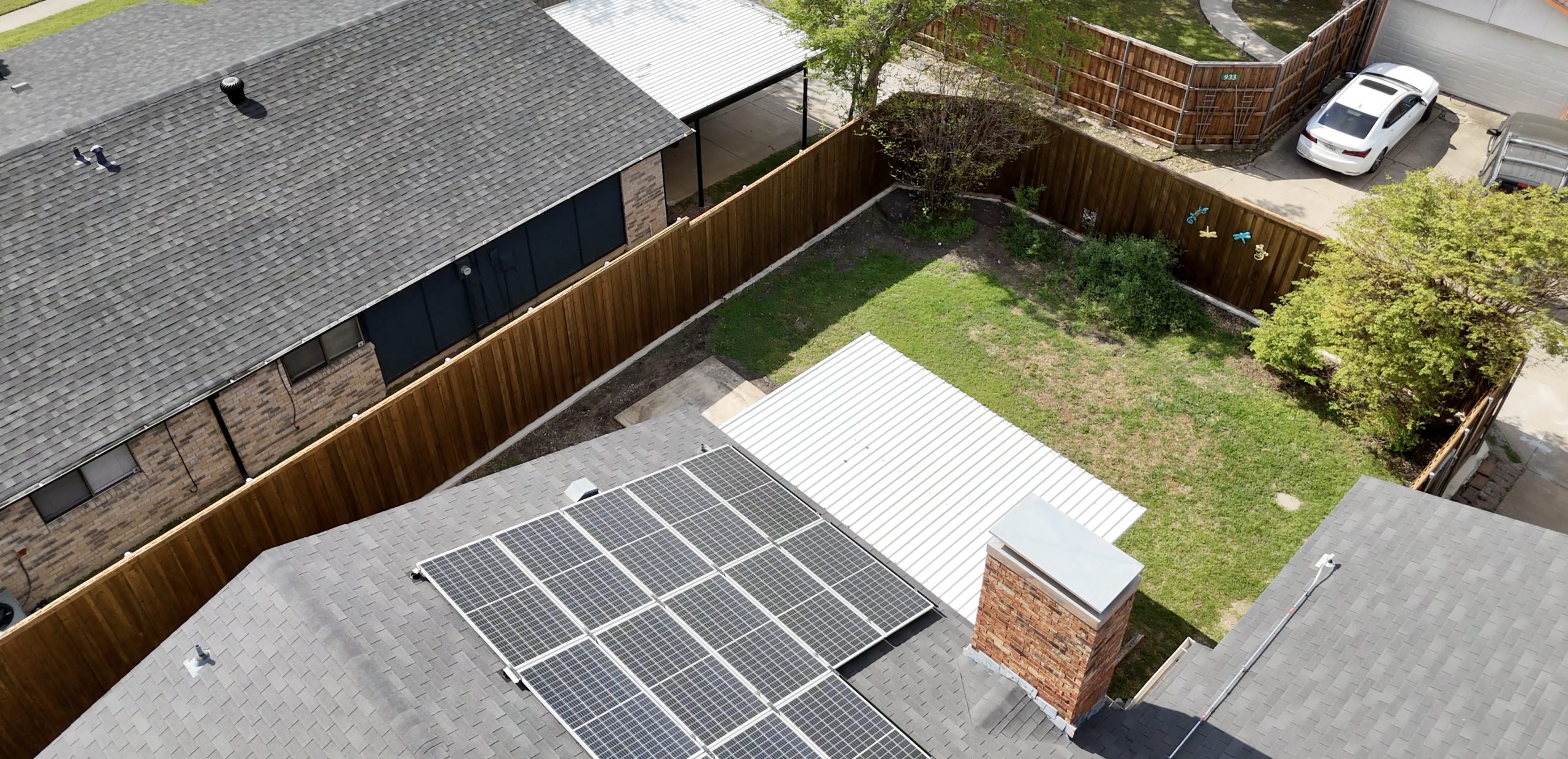
Professional observation: Patios usually do not fail all at once. They start with small water issues near edges, post bases, and transitions to fencing or gate openings.
Surface condition
Look for roughness, fading, algae or mildew growth, and areas that never seem to dry.
Edges and transitions
Check where the patio meets steps, walls, or adjacent fencing. These spots often hold water.
Hardware and supports
Verify that fasteners, railings, and any cover components are secure and not corroding.
Main Things Customers Should Understand
How often you maintain a patio depends less on a calendar and more on materials, exposure, and how water moves across your property. In Sherman, TX, patios are frequently exposed to intense sun and periodic heavy rain. That combination can accelerate fading, promote mildew, and cause small movement at joints. The goal is to keep your patio surface and its surrounding details in a stable condition.
Quick local tip: If you have a gate or fenced area near the patio, keep an eye on how water runs through those openings. Blocked drainage paths can push moisture right where you walk and sit.
| Patio feature | How often to inspect | What to watch for | Typical maintenance focus |
|---|---|---|---|
| Concrete patio surfaces | Every season, plus after heavy rain | Mildew, staining, surface roughness, cracking | Cleaning and addressing moisture-related issues early |
| Wood components (rails, accents, nearby decking) | Every season | Drying, splitting, fading, mildew, loose hardware | Stain/seal upkeep and prompt attention to water exposure |
| Metal elements (supports, brackets) | At least 2 times per year | Rust spots, paint breakdown, loosened fasteners | Cleaning and maintenance coordination with any cover or structural parts |
| Patio covers and outdoor structures | Every season | Debris buildup, water pooling, loose connections | Keep drainage paths clear and ensure components stay secure |
| Adjoining fencing and gates | Every season | Areas that trap water, misalignment, damaged sections | Repair or maintenance that reduces moisture transfer to the patio area |
One firsthand-style pattern we see around Sherman patios is that maintenance frequency increases when water cannot escape easily. That can be as simple as debris in a drainage path, a transition between materials that holds water, or a nearby fence line that forces runoff to pool near the patio edge. When those issues are corrected, the patio usually becomes easier to keep clean and stable.
Patio covers
If your outdoor seating depends on shade, the cover matters as much as the floor. Review your cover’s drainage and connection points.
Concrete services
When an edge is settling or a surface needs attention, concrete work can be part of the maintenance plan.
Fence stain and finish support
If wood fencing and patio-adjacent wood features are fading at the same time, keeping them aligned with your schedule helps overall appearance.
Why This Matters in Sherman, TX
In Sherman, TX, patio maintenance is not just about appearance. It is about preventing small moisture problems from turning into bigger repairs. Sun can bake surfaces and contribute to fading, while rain can expose drainage weaknesses at edges and transitions. That is why a steady routine helps: cleaning removes buildup that can hold moisture, inspections catch issues early, and timely maintenance reduces the chance you will need more intensive work later.
Common Mistakes to Avoid
People often maintain patios in ways that feel helpful but create problems. The most common missteps involve ignoring water behavior, using the wrong approach for the material, and waiting until damage is obvious. Here are the mistakes we see most frequently and how to avoid them.

- Waiting for major cracking or rust: Small issues around edges and hardware are easier to address before they spread.
- Cleaning without checking drainage: If water pools after rain, the patio will keep deteriorating even if you clean regularly.
- Assuming all surfaces need the same treatment: Wood, concrete, and metal each respond differently to maintenance.
- Overlooking nearby fence and gate areas: If a gate opening or fence line redirects runoff, it can shorten the time between needed upkeep.
- Skipping seasonal inspections: A quick spring and fall check is often what prevents “mystery” deterioration during the busy months.
Customer Checklist
Use this practical checklist as your maintenance rhythm. It is designed to be quick enough to do during a weekend walkthrough, but detailed enough to catch the issues that tend to affect patios in Sherman and the surrounding counties.
- After heavy rain, check for standing water near patio edges and transitions.
- Look for mildew, dark streaks, or rough patches that could indicate moisture buildup.
- Inspect cover and structural connections (if you have an outdoor cover or patio shade system).
- Check nearby fencing and gate areas for signs of misalignment or damage that may affect runoff.
- Confirm that debris is not blocking drainage paths along the patio perimeter.
- If wood is present, check for fading, dryness, or early splitting around any exposed areas.
A representative scenario (realistic example)
Imagine a family in Sherman, TX who uses their patio daily during spring and summer. After a couple of rainy weeks, they notice a persistent damp-looking strip along one edge where the patio meets an outdoor walkway. They clean the surface, and it looks better for a few days, but the dampness returns after the next storm. In cases like this, the clean-up helps the surface, but the maintenance plan needs to address where water is going so the patio stays stable. A targeted inspection of edges, transitions, and nearby fencing or gate runoff often reveals the real cause.
Frequently asked questions
Here are common questions homeowners and property managers ask about patio maintenance schedules. The answers focus on what to watch for and how to decide the next step.
How often should I clean my outdoor living patio in Sherman?
Does patio maintenance change if I have wood features nearby?
What are the first signs that my patio needs repair instead of just cleaning?
Should I include fencing and gates in my patio maintenance routine?
How do I decide between DIY cleaning and professional help?
Need help figuring out what to maintain first?
If you are in Sherman, TX and you are not sure whether your patio issue is surface wear, drainage, or related to nearby fencing or gate areas, Lowery Fence & Patio can help you map out the right next step.
Call Lowery Fence & PatioReady to protect your outdoor living space?
Keeping your patio and surrounding features in good shape is easier when you plan maintenance around what your property is doing with water. Explore related outdoor living and fencing options from Lowery Fence & Patio, then reach out for guidance tailored to your setup.
Visit Lowery Fence & Patio
About Lowery Fence & Patio
Lowery Fence & Patio provides fencing and outdoor living services for customers in Sherman, TX and nearby areas including Collin County, Grayson County, Cooke County, and Fannin County. Whether you are maintaining a patio, adding a custom patio cover, or addressing fence and gate needs, our goal is to help you protect the look and function of your outdoor space with practical solutions.