
Fence Installation Maintenance Tips to Prevent Warping
If your fence starts to look wavy after a season of heat and rain, it is usually not “just cosmetic.” This guide walks you through what causes warping, what you can check right away, and how to maintain common fence materials so they stay straight longer in Sherman, TX.
You water the yard, the rain rolls through, and the fence looks fine for a while. Then you notice boards bending, gaps changing, or a section that no longer sits straight. In Sherman, TX, that pattern often shows up after wet weather followed by hot, drying days.
This guide helps you understand why warping happens, what to inspect on wood and other common fence types, and how to keep your installation from slowly “working loose.” You will also find a simple customer checklist you can use before the next weather swing.
- Quick answer
- What to check first
- Main things customers should understand
- Why this matters in Sherman, TX
- Common mistakes to avoid
- Customer checklist
- Frequently asked questions
Quick Answer
To prevent fence warping, focus on moisture control, proper fastening, and stable support. After storms or seasonal swings, check for loose posts, bowed rails, and boards that are absorbing water at the bottom edge. For wood, keep staining and sealing on a regular schedule and make sure the fence is installed with correct spacing and tension so it can expand and contract. If you see twisting or repeated board movement, address the cause (posts, rails, or drainage) instead of only replacing one board.
What to Check First
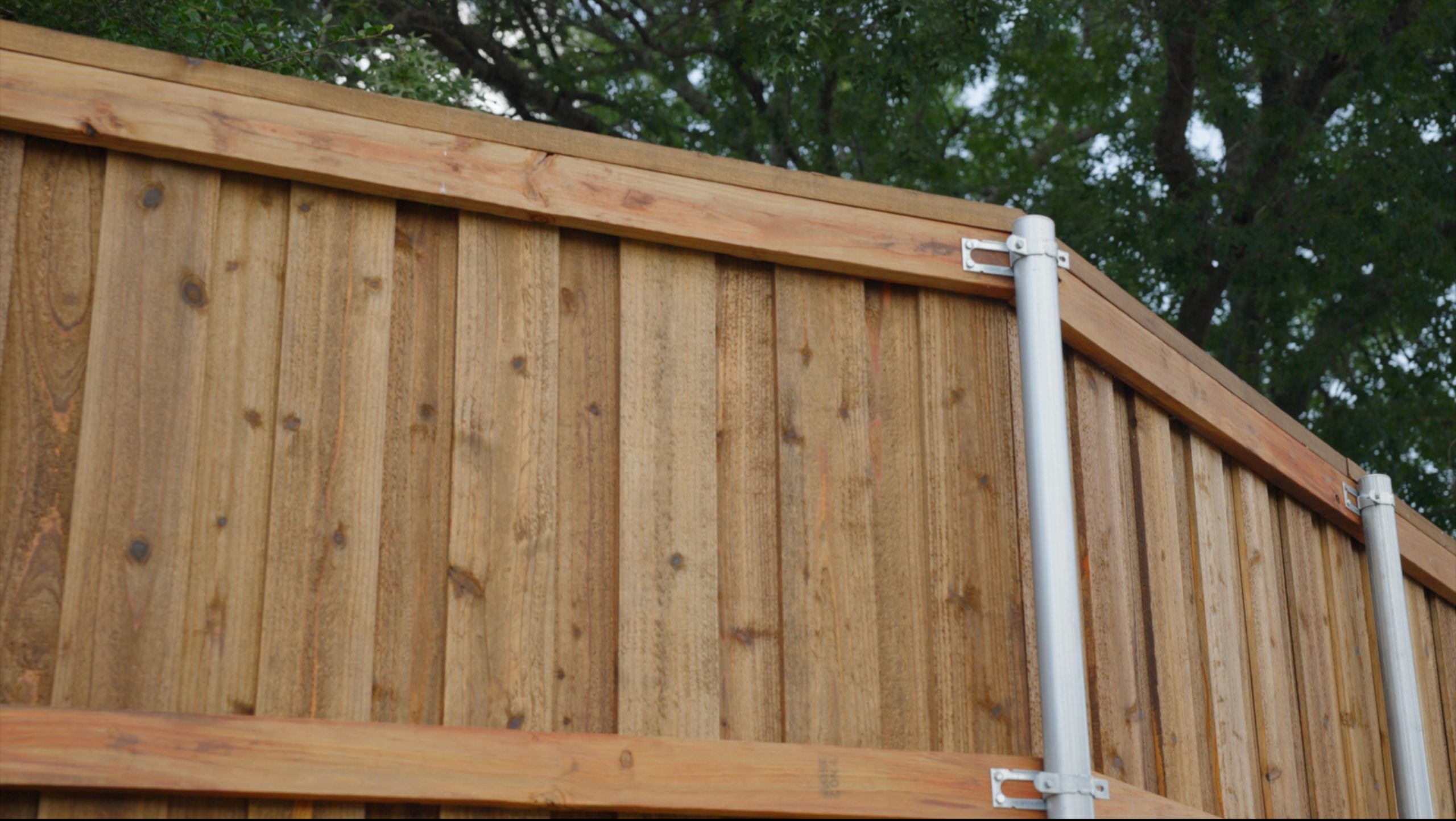
Start with the parts that move first: posts, rails, and the bottom edge of the fence. Walk the line and look for any section where the fence plane is no longer straight. Then check whether the post is truly plumb and whether the rails feel tight at every connection point.
Fasteners
Look for screws or nails that pulled out, rusted, or loosened. A small gap at the rail connection can turn into a bigger warp as the season changes.
Post stability
Check for wobble at the base. If soil shifted or a post is sitting too shallow, the fence will “follow” the movement.
Bottom moisture
If wood boards sit in pooled water or splash constantly, they absorb moisture unevenly. That imbalance is a common cause of bowing.
Main Things Customers Should Understand
Warping rarely comes from one cause. It is usually the result of moisture exposure meeting something that does not stay rigid enough, like a loose post, undersized rails, or staining that does not keep up with weather. The goal is to reduce how much water your fence absorbs and to keep the structure aligned as it experiences hot and wet cycles.
Professional observation: When a fence warps repeatedly in the same spot, it is often telling you where the support is struggling, not just which board you can see.
Wood fencing: moisture + movement
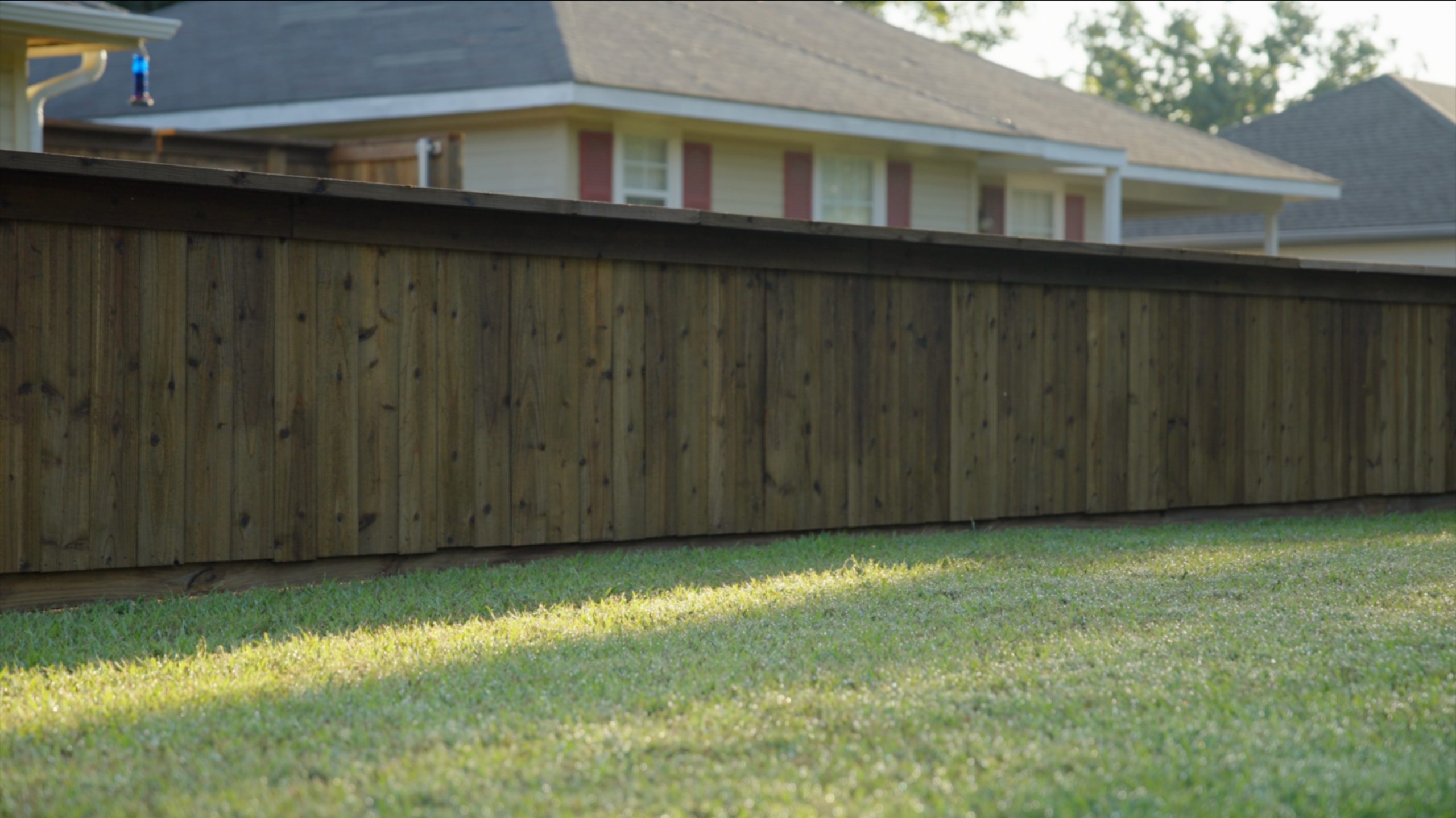
Wood expands and contracts as humidity changes. If the installation traps moisture against the fence face or the bottom edge stays wet, boards can take on uneven moisture levels. Over time, that uneven absorption can bow boards and create diagonal gaps.
If you are dealing with wood fence maintenance, plan for ongoing fence stain care. A consistent maintenance routine is what helps wood resist weathering and reduces how quickly it shifts after rain.
Chain link and wrought iron: rust control and gate alignment
Metal fences do not “warp” like wood, but they can still lose straightness if posts move, if rails or tension are off, or if gates drag. Keep an eye on gate hardware and ensure your frame stays square. Even a slight misalignment can put constant stress on the system.
For homeowners interested in a clean, secure layout, review how materials and access points connect. If your setup includes gates, you may also want to compare options for automatic gate installation or manually operated access, depending on how your driveway and yard are used.
Concrete and drainage: the hidden driver
Even when the fence is installed correctly, poor drainage can keep the area around posts wet. That softens soil and can loosen support over time. If the fence line sits where water collects after storms, focus on improving runoff patterns and avoiding constant splash at the fence base.
When you are planning fence updates alongside hardscape work, it can help to coordinate with a team that understands concrete services so post support and surrounding surfaces work together.
| Fence material | Main warping risk | Maintenance focus |
|---|---|---|
| Wood fencing | Uneven moisture absorption and bottom-edge wetness | Regular fence stain and keeping the base from sitting in water |
| Chain link fencing | Post movement and gate misalignment | Check tension, post stability, and gate hardware after weather swings |
| Wrought iron fencing | Rust-related loosening and hardware stress | Address rust early and keep frames square, especially around gates |
Professional observation: If you replace only the visible warped boards but the post or rail is still moving, the new pieces can warp too. Fixing the support usually solves the pattern.
Why This Matters in Sherman, TX
Sherman, TX experiences real swings between hot drying stretches and soaking rain periods. That cycle can exaggerate how fast wood absorbs moisture and how quickly it dries. If your fence line is exposed to frequent splash or sits near a drainage path, the bottom edge and the first few boards often show warping first.
Lowery Fence & Patio helps homeowners and property managers in Sherman and across nearby areas including Collin County, Grayson County, Cooke County, and Fannin County. When we inspect a fence that is bending or pulling away, we look at how the installation handles moisture, how the posts are supported, and whether gates are adding stress to the structure.
Need a fence inspection before warping gets worse?
Get practical guidance on what is causing movement in your specific setup. A quick assessment can help you target the root issue.
Schedule with Lowery Fence & PatioCommon Mistakes to Avoid
Most fence problems start with small shortcuts. The tricky part is that the fence may look fine immediately after installation, then show warping later when weather and temperature do their work.
- Skipping base protection for wood: If boards are kept too wet, they dry unevenly and bow.
- Over-tightening or forcing alignment: A fence needs correct fit, not constant twisting pressure at every rail connection.
- Ignoring loose posts: Even minor post movement can create repeating warps in the same panel area.
- Waiting too long to stain or seal: Weathering advances the point where water intrusion becomes easier.
- Forgetting gate stress: A dragging gate can pull nearby fence sections out of alignment.
Practical recommendation: If you see bowing that returns after repairs, ask what is changing at the base or at the rail connections. Addressing structure and drainage usually reduces repeat warping more than replacing boards alone.
Customer Checklist
Use this quick walk-around after heavy rain and during dry stretches. It is designed to help you spot warping risks early, before they become permanent.
- Check alignment: Look for sections that look wavy from a straight line view.
- Inspect post movement: Gently test for wobble and watch for gaps at the base.
- Review fastening points: Look for rust, pulled fasteners, or rail connections that feel loose.
- Verify bottom-edge exposure: Note areas where water pools or where sprinklers splash the fence.
- Confirm gate operation: Open and close the gate without dragging and watch for frame stress.
- Plan wood maintenance: If you have wood fencing, keep your staining schedule consistent for weather resistance.
Representative scenario
A homeowner in Sherman installed a wood privacy fence along a side yard that receives runoff during storms. After one wet season and a hot dry period, the boards near the low spot started to bow outward, and the top rail looked slightly out of line. The fence did not fail everywhere, only in the area that stayed wet the longest. The fix focused on stabilizing the post support and addressing how water reached the fence base, then following up with appropriate wood fence staining care for longer-term protection.
Frequently asked questions
Why does my wood fence warp after rain?
Wood warps when it absorbs moisture unevenly. Rain can keep the bottom edge or one side of boards wet longer, especially if drainage is directing water toward the fence line. As the fence dries, different boards can expand or contract at different rates, which can lead to bowing or twisting. Stabilizing support and reducing persistent wetness at the base are usually the keys to stopping repeat warping.
Can loose posts cause warping in only part of the fence?
Yes. Warping often shows up in the same panel area when a post is slightly out of plumb, shallow, or vulnerable to soil movement. When the post shifts, the rails and boards respond, creating a repeating pattern. If you see consistent warping in one spot, inspect the support first before focusing only on individual boards.
How often should I stain a wood fence to prevent warping?
There is no single universal schedule for every yard, because exposure varies with sun intensity, rainfall, and how much the fence base gets splash or pooling water. The practical approach is to keep your staining plan consistent and not wait until the wood looks heavily weathered. A local inspection can help you gauge when your fence is ready for maintenance so water intrusion does not get a head start.
Do chain link fences “warp” the same way as wood fences?
Chain link fences usually do not warp like wood, but they can lose straightness when posts move, tension is off, or gates are misaligned. If your fence line looks uneven, check post stability and gate hardware first. For many repairs, correcting support and alignment reduces stress on the system and helps the fence stay straight longer.
What should I do first if my fence is already bending?
Start by identifying the source of movement. Walk the fence line and check for wobbly posts, loose rail connections, or areas where water collects. Avoid replacing only the most visible boards if the support is still shifting. Once the cause is addressed, then plan the right maintenance steps for your material, such as wood fence staining for longer-term weather resistance.
Talk to Lowery Fence & Patio about your fence problem
If you want a clear plan for preventing further movement, we can help you evaluate what is driving warping in Sherman, TX. You can reach us by phone or browse our fencing services.
Call 903-833-3623
About Lowery Fence & Patio
Lowery Fence & Patio provides fencing and outdoor living services for property owners in Sherman, TX and nearby areas, including Collin County, Grayson County, Cooke County, and Fannin County. From wood and chain link fencing to gates, staining, and concrete support, our goal is to help you protect your investment with practical installation and maintenance solutions.